Bulgaria votes as pro-Russian former president leads polls

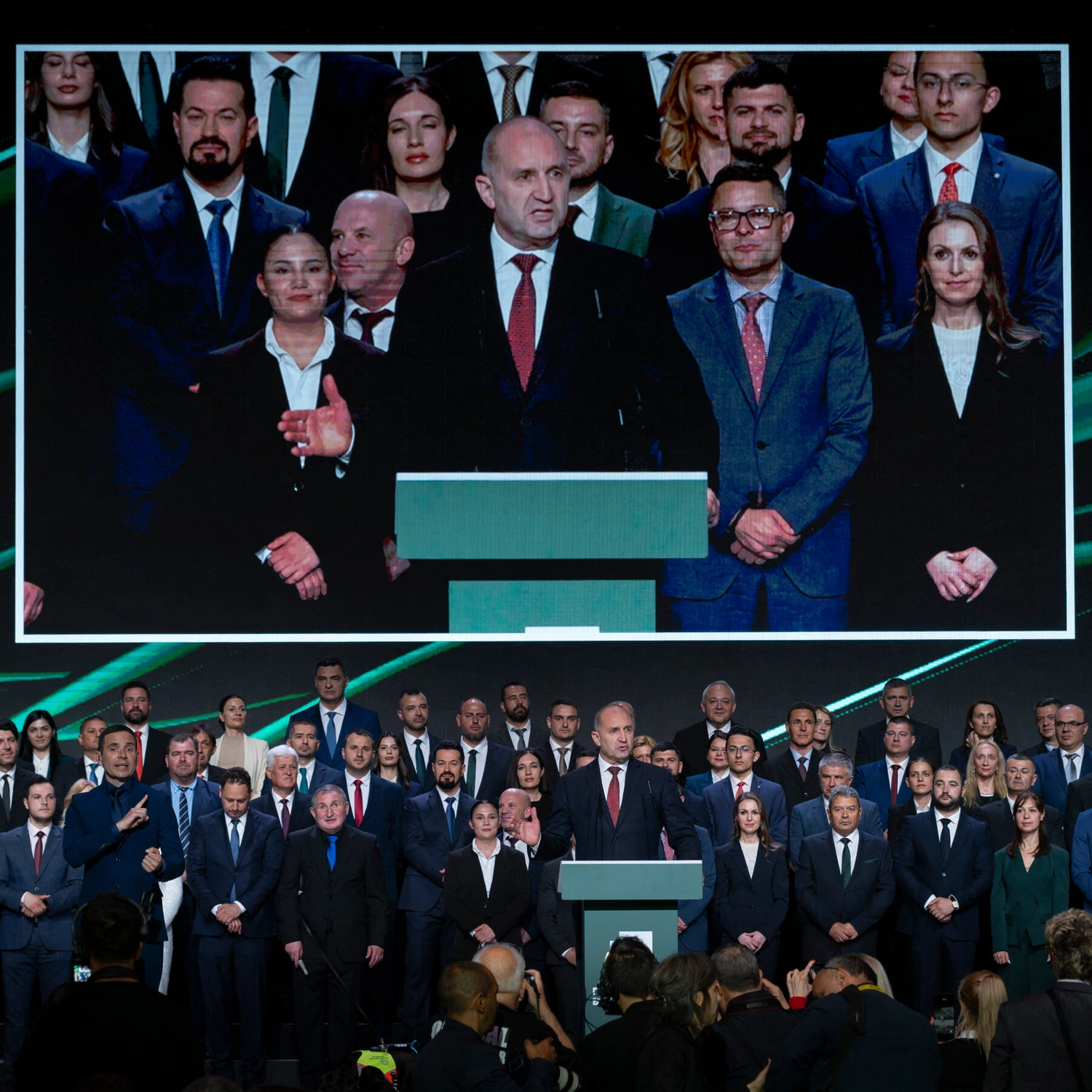
Bulgaria votes as pro-Russian former president leads polls
In Bulgaria's eighth election in five years, former president Rumen Radev leads polls as voters seek stability and relief from rising living costs.
Bulgarians are heading to the polls in the eighth parliamentary election in five years, a sign of political fatigue in a country that has cycled through governments since 2021. The clear frontrunner is Rumen Radev, the pro-Russian former president who stepped down in January to run for a new mandate. He has pitched himself as a stability-focused figure who can stamp out corruption and end the pattern of short, fragile governments that have left voters frustrated.
Radev is Eurosceptic and has opposed broad Western military support for Ukraine, framing his platform around a pragmatic, domestically focused agenda that he says would still maintain Bulgaria's key alliances. He argues that Bulgaria needs a credible parliamentary majority to push through reforms and provide relief amid the cost of living pressures.
Radev’s bid comes as Bulgaria, with about 6.5 million people, has seen economic gains since joining the eurozone earlier this year, even as prices rise. Life expectancy has improved, unemployment remains among the EU's lowest, and the economy is deemed to have stronger safeguards. Still, many Bulgarians say the tax system and social security costs burden households, and worries about vote-buying and transparency persist after protests that toppled the previous government in December.
Analysts warn the vote could yield another fragmented parliament, prolonging political uncertainty. The outcome will help determine Bulgaria's stance on NATO and the EU, and its approach to Moscow, a especially sensitive issue given the country’s history and current security ties. In Sofia, voters lined up at polling stations, casting ballots that will shape the country’s path in the coming years.
Voters are seeking a clear path to stability and a credible plan to tackle the cost of living, corruption, and reforms. The mood is cautious, with many hoping for a government that can govern rather than spark another round of street protests.
