VB-G RAM G Bill sparks protests as MGNREGA is replaced

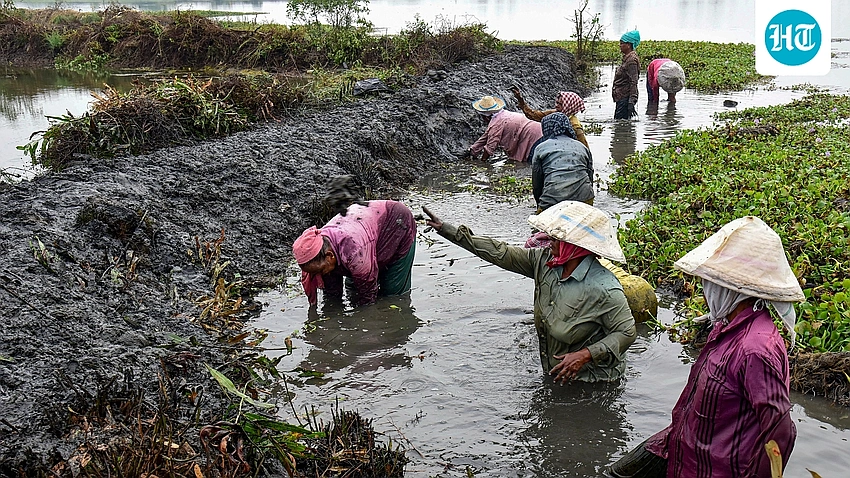
VB-G RAM G Bill sparks protests as MGNREGA is replaced
Experts warn the VB-G RAM G Bill could undermine MGNREGA's guaranteed rural jobs, prompting protests as Parliament debates the bill's fate.
India is witnessing a heated debate over the VB-G RAM G Bill, which aims to replace the Mahatma Gandhi National Rural Employment Guarantee Act (MGNREGA) with a new framework that promises a 125-day wage employment guarantee for rural households. Critics argue that changing the cornerstone program could erode the guaranteed employment and financial security that millions rely on during lean agricultural seasons.
Under the new proposal, officially known as the Viksit Bharat Guarantee for Rozgar and Ajeevika Mission (Gramin), supporters say the reform is designed to modernize rural development, improve implementation, and deter corruption by streamlining programs and focusing resources where they are most needed. Proponents contend that the changes will lead to faster, more transparent delivery of rural employment and help villages become more self-sustaining.
Economists and activists, however, warn that replacing MGNREGA could undermine decades of social protection for vulnerable workers and leave many without a reliable safety net. They are calling on the government to drop the changes and preserve the current guarantees that millions depend on for income security.
In Parliament, opposition MPs have organized protest marches and renewed calls for the withdrawal of the VB-G RAM G Bill, arguing that the move threatens Gandhi’s legacy and rural welfare. Supporters insist the reform will boost villages, improve governance, and reduce opportunities for corruption by concentrating on results rather than process.
As debates continue, activists and labor groups are planning protests for December 19 to demand a rethink of the proposal, highlighting the potential disruption to livelihoods if the 125-day guarantee falls short of what rural workers need. The unfolding discussion underscores a broader contest over how best to balance growth, governance, and social protection in rural India.
