Is Vintage Resale Cooked? The Battle for '90s Tees & Denim Heats Up!

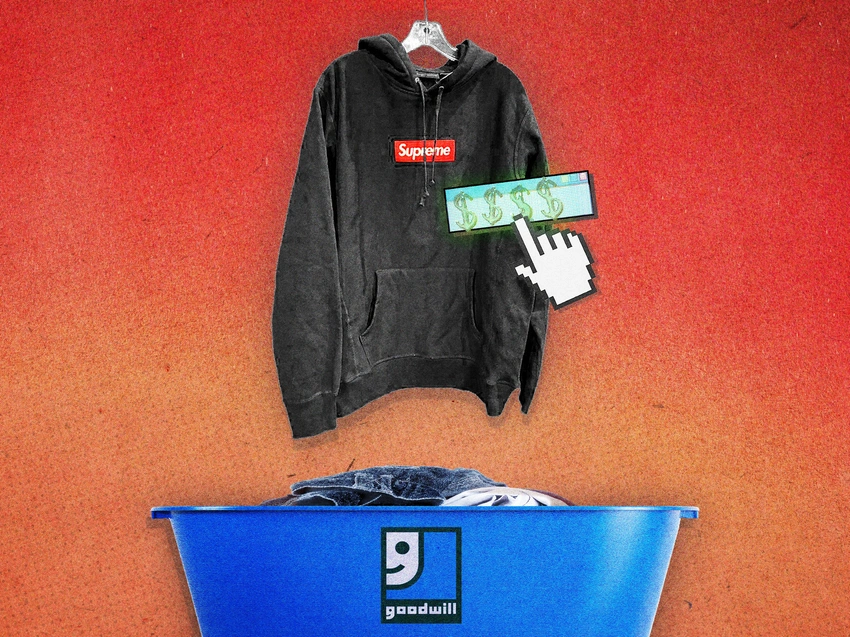
Is Vintage Resale Cooked? The Battle for '90s Tees & Denim Heats Up!
The vintage market is booming, but independent sellers are getting squeezed. Dive into the future of sustainable fashion and what's next for your favorite retro finds.
The Shifting Tides of Sustainable Fashion: What's Next for Vintage Resale?
Let's be real, everyone loves a killer find. That perfect pair of vintage denim, a genuinely rare '90s band tee, these pieces are the holy grail for style enthusiasts. Online platforms have made it easier than ever to scour the digital racks for these treasures.
Yet, there's a growing buzz in the industry, a quiet worry: are independent resellers, the very backbone of this vibrant market, getting squeezed out? We're talking about a seismic shift in how we buy and sell pre-loved fashion, and it's time we addressed it head-on.
For years, the narrative around vintage and secondhand fashion has been overwhelmingly positive: it's sustainable, it's unique, it's a way to opt out of fast fashion's relentless churn.
But the ease of access that has fueled its popularity might also be its undoing for many small businesses.
While finding those iconic '90s band tees or perfectly worn vintage denim might be just a click away for consumers, the landscape for sellers has become increasingly cutthroat.
The Squeeze is Real
Independent resellers, the folks who spend countless hours curating, cleaning, and photographing, are facing immense pressure. Picture this: a small, passionate reseller trying to compete with massive online platforms or even fast fashion brands launching their own 'reworked vintage' lines. It's a David and Goliath situation, where scale and marketing budgets often trump genuine expertise and ethical sourcing.
The initial charm of online vintage was its democratizing effect. Anyone could start a small shop, offering unique pieces directly to a global audience. Now, algorithms favor volume, big players can outbid on supply, and the very platforms that enabled growth are demanding higher fees and stricter policies.
This pushes profit margins thinner than a threadbare tee, making it incredibly challenging for a one-person operation to thrive, let alone survive.
What Does This Mean for “Sustainable” Fashion?
If the independent spirit of vintage resale is diminished, what happens to the 'sustainable' part of the equation?
Part of sustainable fashion's appeal is supporting small businesses and local economies, not just reducing waste.
If the market becomes dominated by large corporations, will the focus remain on true circularity and unique finds, or will it shift towards mass-market 'vintage-inspired' products that simply mimic the aesthetic without the soul or environmental benefit?
The irony is, as vintage fashion becomes more mainstream and desirable, the very individuals who cultivated its cool factor are struggling to keep up. It's about culture. The unique stories behind each piece, the personal connection built by a dedicated reseller, these elements are difficult to replicate at scale.
Navigating the Future
So, what's next? Will we see a resurgence of local, curated brick-and-mortar vintage shops as a rebellion against online saturation? Will platforms adapt to better support their smaller sellers?
Or will the market consolidate further, leaving fewer truly independent voices? The answer likely lies in a mix of adaptation, niche specialization, and conscious consumer choices.
For us, the savvy shoppers, it means being more intentional.
Seek out and support those independent sellers, whether online or in person. Dig deeper than the first page of search results.
Because the future of truly sustainable, character-filled fashion depends on keeping those independent spirits alive and thriving. Let's make sure that '90s band tee finds its way from one passionate hand to another, not just through a corporate pipeline.
