SIT Urges Exhaustive Probe Into Sabarimala Temple Assets

SIT Urges Exhaustive Probe Into Sabarimala Temple Assets
Kerala High Court backs a deeper, two-decade probe after interim SIT findings point to suspicious temple asset transactions and mismanagement.
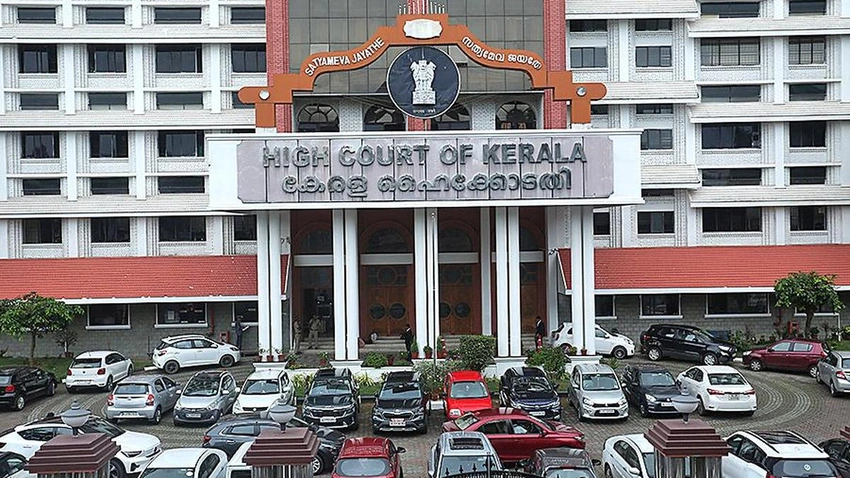
The Special Investigation Team (SIT) has submitted an interim report on the Sabarimala temple gold theft case, concluding that the findings reveal suspicious and disturbing circumstances surrounding the transactions under scrutiny. The Kerala High Court, hearing a suo motu case, said the evidence prima facie reinforces earlier apprehensions and urged a deeper, more exhaustive probe into temple administration and related dealings spanning around two decades.
A Division Bench comprising Justice Raja Vijayaraghavan V. and Justice K.V. Jayakumar observed that what began as routine safeguarding actions around Dwarapalaka idols and temple fixtures has opened a Pandora’s box, suggesting a possible organised pilferage facilitated by those entrusted with temple assets. The court directed the SIT to investigate the gold-related transactions from 1998 and 2019 to ensure continuity and evidentiary coherence, and asked for a comprehensive probe status report by February 9.
During the in-camera hearing, H. Venkatesh, ADGP (Law and Order & Crimes), who heads the SIT, briefed the court on progress. He noted that several accused have been arrested, while the possible involvement of five others remains under active scrutiny.
On the political and community front, the Akhila Kerala Tantri Pracharak Sabha petitioned the Kerala High Court for a CBI investigation, arguing that the current SIT probe has been ineffective and calling for an independent agency to take over. The petition underscores rising concerns about governance and accountability in temple asset management and the broader implications for trust in religious institutions.
As the court schedules further hearings and seeks a detailed progress update, the case continues to unfold, with authorities weighing next steps that could redefine oversight of temple assets and set a precedent for how such investigations are conducted in sensitive religious sites.
