US-Iran War Cost Hits $38 Billion, Fuels Inflation & Depletes Munitions!

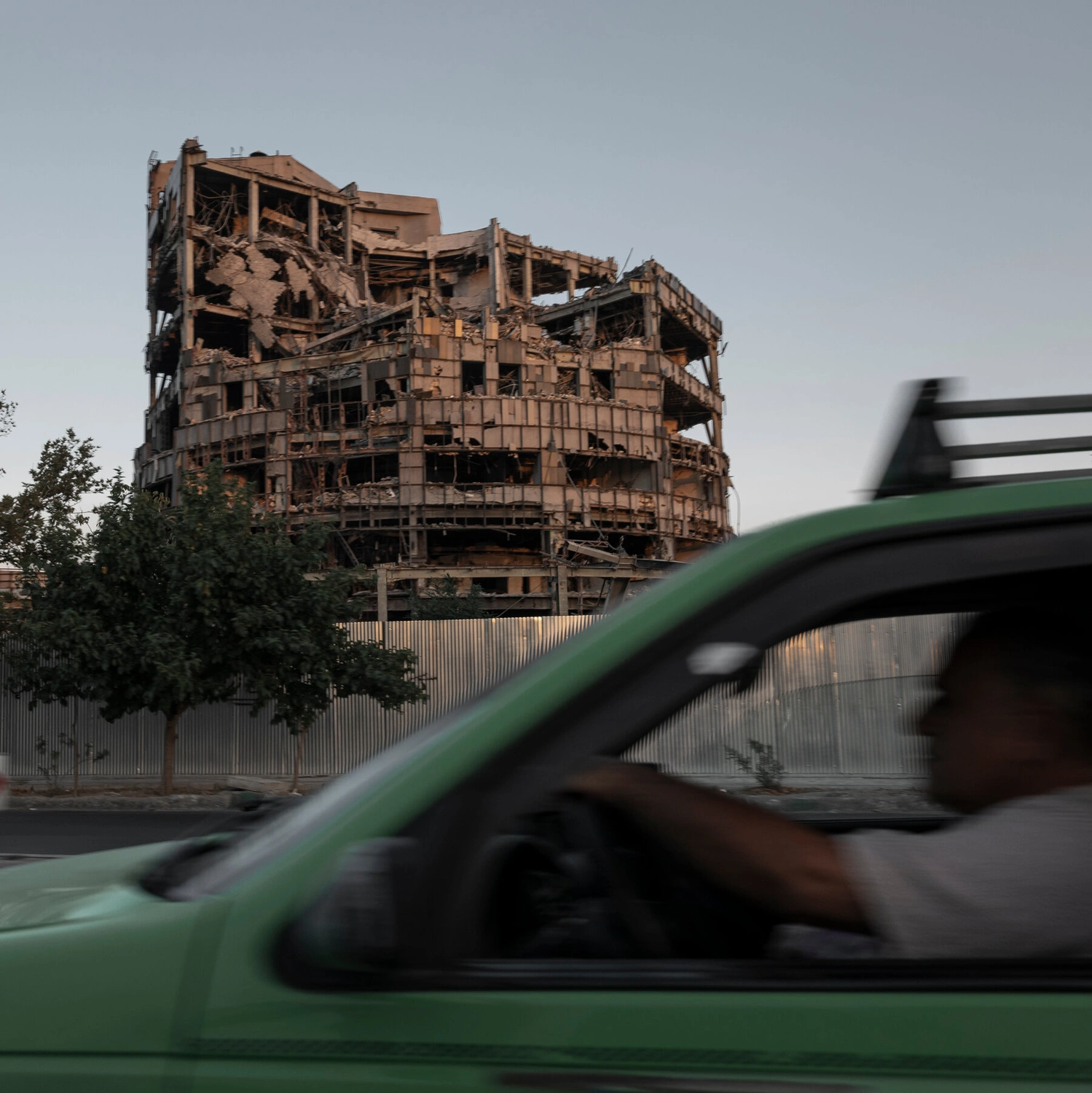
US-Iran War Cost Hits $38 Billion, Fuels Inflation & Depletes Munitions!
New CBO report reveals the staggering $38 billion cost of the US-Iran war, warns of depleted munitions, and soaring inflation. Is it worth the price tag?
The war with Iran has already cost the U.S. government a staggering $38 billion and is significantly contributing to rising inflation, according to a recent analysis by the Congressional Budget Office (CBO). This nonpartisan agency, responsible for providing economic and budget estimates to Congress, highlights the substantial financial burden of the ongoing conflict.
This estimate covers direct costs through August 1st and largely aligns with previous Pentagon reports, although the CBO's findings paint a clearer, and perhaps more concerning, picture of the future.
The CBO's report warns that the price of the war is far from static, projecting an additional $2 billion to $3 billion in expenditures every month the conflict persists.
Beyond the direct financial drain, the analysis also reveals a critical depletion of U.S. munitions stockpiles, particularly air-defense interceptors.
This reduction in military readiness could potentially hamper the nation's capacity to respond to other major conflicts, raising serious questions about long-term security implications.
The financial strain comes at a challenging time, with the federal government's gross debt exceeding $40 trillion and affordability being a top concern for many Americans heading into the midterms. Democrats have been quick to use these findings to argue that such vast sums could be better allocated to addressing domestic issues and easing the cost of living for citizens.
However, the administration may counter that this figure is still lower than some initial, more dire projections of the conflict's potential costs.
The bulk of the spending, approximately $21.7 billion, has gone into replacing munitions, including $13.1 billion for missile defense interceptors and $7.3 billion for land-attack cruise missiles. Other significant costs include equipment repair and replacement, increased air operation hours, transportation, and fuel.
Notably, these figures do not include the estimated $184 million in physical damage to U.S. diplomatic facilities in Iraq, Kuwait, Saudi Arabia, and the UAE from Iranian strikes, nor the nearly $3.7 billion in lost aircraft and equipment, including F-15 fighter jets and MQ-9 Reaper drones, as detailed in a separate Defense Department inspector general's report.
Replenishing the depleted stockpiles could take five years or even longer, meaning the true economic impact of the war won't be fully realized until the Pentagon rebuilds its inventories and capabilities. This assessment provides Congress with an independent benchmark against which to evaluate the administration's requests for continued funding of the military campaign.
Despite its thoroughness, the CBO acknowledges that its estimates are subject to "considerable uncertainty," primarily because the Defense Department did not respond to requests for information, forcing the CBO to rely on government databases and public reports.
This lack of cooperation underscores the challenges in fully understanding the true cost and scope of the conflict.

Login to comment.
No thots yet. Be the first to share your thoughts!