Gaza's Future Rebuild: Rival Plans Clash as Diplomacy Stalls

Gaza's Future Rebuild: Rival Plans Clash as Diplomacy Stalls
Exploring competing visions for Gaza's reconstruction—from AI-powered cities to a five-year plan—amid diplomacy gridlock and calls for Gazan involvement.
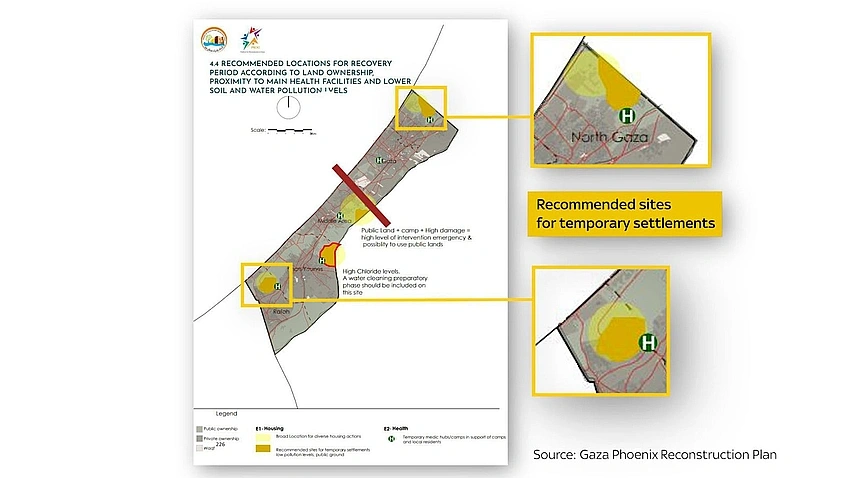
Diplomacy around Gaza's future rebuild remains tangled as rival visions push forward in parallel. Plans have already been drawn up—ranging from AI-powered super cities to designs meant to capture the region's 'soul and spirit'—yet political obstacles keep consensus elusive. An Egypt-drafted plan adopted hastily by the Arab League at a Cairo summit in March calls for rebuilding Gaza over five years and stresses Gazans' involvement at every stage to foster ownership and ensure local needs are met.
At the same time, the Palestinian Authority, led by President Mahmoud Abbas, has its own proposals as part of a broader effort to reconnect Gaza and the occupied West Bank in a future Palestinian state. In Ramallah, Estephan Salameh, the PA planning minister, said whatever plan is settled upon, Gaza's future would look different, but some core elements would stay the same.
The discussions also lean on ambitious visions, including AI-powered cities, to balance practicality with cultural aims to preserve what planners call Gaza's 'soul and spirit.' But the central hurdle remains political, and no single blueprint has secured broad-based agreement yet.
In short, Gaza's future rebuilding remains unsettled as Egypt, the PA, and regional actors press rival plans amid diplomacy, with broad consensus hinging on meaningful Gazan involvement to translate any blueprint into a living reality.
