Oil Prices Plummet Post US-Iran Deal: What It Means for Your Wallet!

Oil Prices Plummet Post US-Iran Deal: What It Means for Your Wallet!
Global oil prices dip below pre-conflict levels as a US-Iran deal opens the Strait of Hormuz. Discover how this affects gasoline costs and key industries. #OilPrices
Global oil prices have seen a significant drop, now settling at levels even lower than before the recent tensions between the US and Iran escalated. This dramatic shift comes as reports indicate a potential peace deal between the two nations, leading to the crucial Strait of Hormuz reopening and increased stability in oil supplies.
Following a surge past $126 during the height of the conflict, crude oil is now hovering around $70. This substantial reduction in price is largely attributed to the resumption of tanker traffic through the Strait of Hormuz, a vital waterway that handles roughly one-fifth of the world's global oil trade. The alleviation of supply worries, coupled with improved shipping conditions and the anticipation of potential Iranian oil exports, has eased fears of market disruptions. Traders are reportedly bracing for a surplus, with physical crude already trading at discounts.
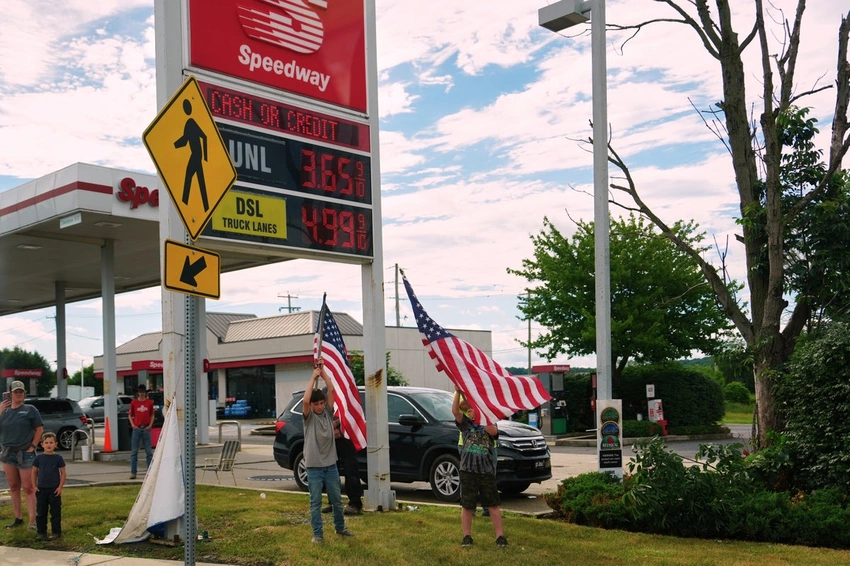
While oil prices have plummeted, US gasoline prices have also seen a decrease, dropping an average of 49 cents a gallon over the last month. However, experts caution that the relationship between crude oil prices and gasoline prices is not always straightforward or immediate. Various factors, including refining costs, distribution, and taxes, play a role in what consumers pay at the pump.
Beyond the immediate impact on fuel costs, several sectors are expected to benefit from the opening of the Strait of Hormuz and stabilized oil prices. Industries reliant on energy, as well as those involved in international trade and shipping, could see positive gains. This development brings a wave of relief to global markets, signaling a return to pre-conflict stability and potentially boosting economic confidence worldwide.
