Viral AI Music: Art or Just Code? 'Puerto Rico Song' Has Us Talking!

Viral AI Music: Art or Just Code? 'Puerto Rico Song' Has Us Talking!
Is AI-generated music, like 'The Puerto Rico Song' by Saxboy Billy using Suno, true art? It went viral with Charlie Puth & Sarah Hyland's lip-syncs, sparking a huge debate.
The AI Beat Drop: Is It Art or Just an Algorithm?
Alright, let's talk about the seismic shift happening in the music world. Forget everything you thought you knew about creating a hit song, because artificial intelligence is rewriting the playbook. The big question bouncing around the industry now is: when an algorithm churns out a track, can we truly call it art?
Or is it merely a sophisticated arrangement of code?
Nowhere is this debate more vibrant than with the viral sensation, 'The Puerto Rico Song'.
Viral Sensation: A Case Study in AI's Power
This isn't some obscure, academic experiment.
We're talking about a track, 'The Puerto Rico Song', that absolutely exploded across social media.
Created by an artist known as Saxboy Billy using the AI platform Suno, this isn't just a niche phenomenon.
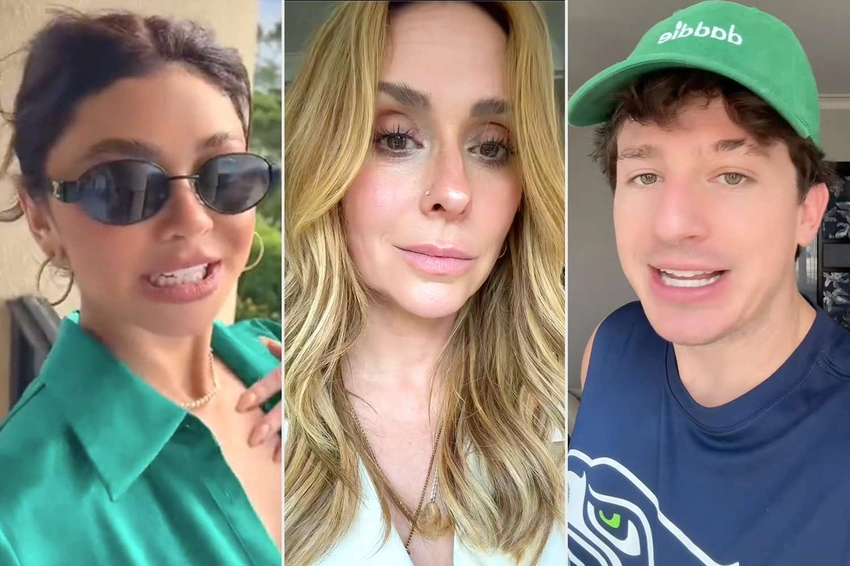
It hit the mainstream so hard that even A-listers like Charlie Puth and Sarah Hyland were caught lip-syncing to it. Think about that for a second: an AI-generated track, propelled by a human creator, capturing the attention and participation of millions, including some of the biggest names in entertainment. That's a cultural footprint you can't ignore.
Art, Algorithm, or Both?
So, where do we draw the line? Traditionalists might scoff, arguing that true art springs from human emotion, lived experience, and the raw, often messy, process of creation. They'd say a machine, no matter how advanced, lacks the 'soul' to produce anything genuinely artistic.
But let's flip that. Does the human element of Saxboy Billy's input, the prompts, the curation, the choice to release that specific track from Suno's offerings, make it art?
Is the artist now a curator of algorithms, a conductor of digital orchestras?
Many would argue that if a piece of music evokes emotion, inspires movement, or simply brings joy to countless listeners, its origin becomes secondary. The virality of 'The Puerto Rico Song' isn't just about its catchy tune; it's about its impact. If a piece of writing from a word processor can be literature, why can't a song from an AI be music, and perhaps, art?
What Does It Mean for Us?
It has profound implications for artists, the music industry, and even our definition of creativity itself. Tools like Suno are democratizing music creation, allowing anyone with a vision to bring their sonic ideas to life, bypassing traditional gatekeepers and expensive studio time.
This is incredible for access and innovation, but it also raises crucial questions about intellectual property, compensation for artists whose styles might be 'learned' by AI, and the evolving role of human talent.
'The Puerto Rico Song' is more than just a viral hit; it's a blazing neon sign pointing to the future.
It forces us to confront uncomfortable questions about authorship and artistic value.
Whether you ultimately label AI music as 'art' or 'just an algorithm', its cultural impact is undeniable, and it's certainly here to stay.
Get ready, because the sound of tomorrow is already being written by both humans and machines.
