Indigenous speakers booed as Anzac Day dawn services face protests

Indigenous speakers booed as Anzac Day dawn services face protests
Booing disrupts dawn services in multiple cities during Indigenous welcome ceremonies, drawing condemnation and calls for respectful remembrance.
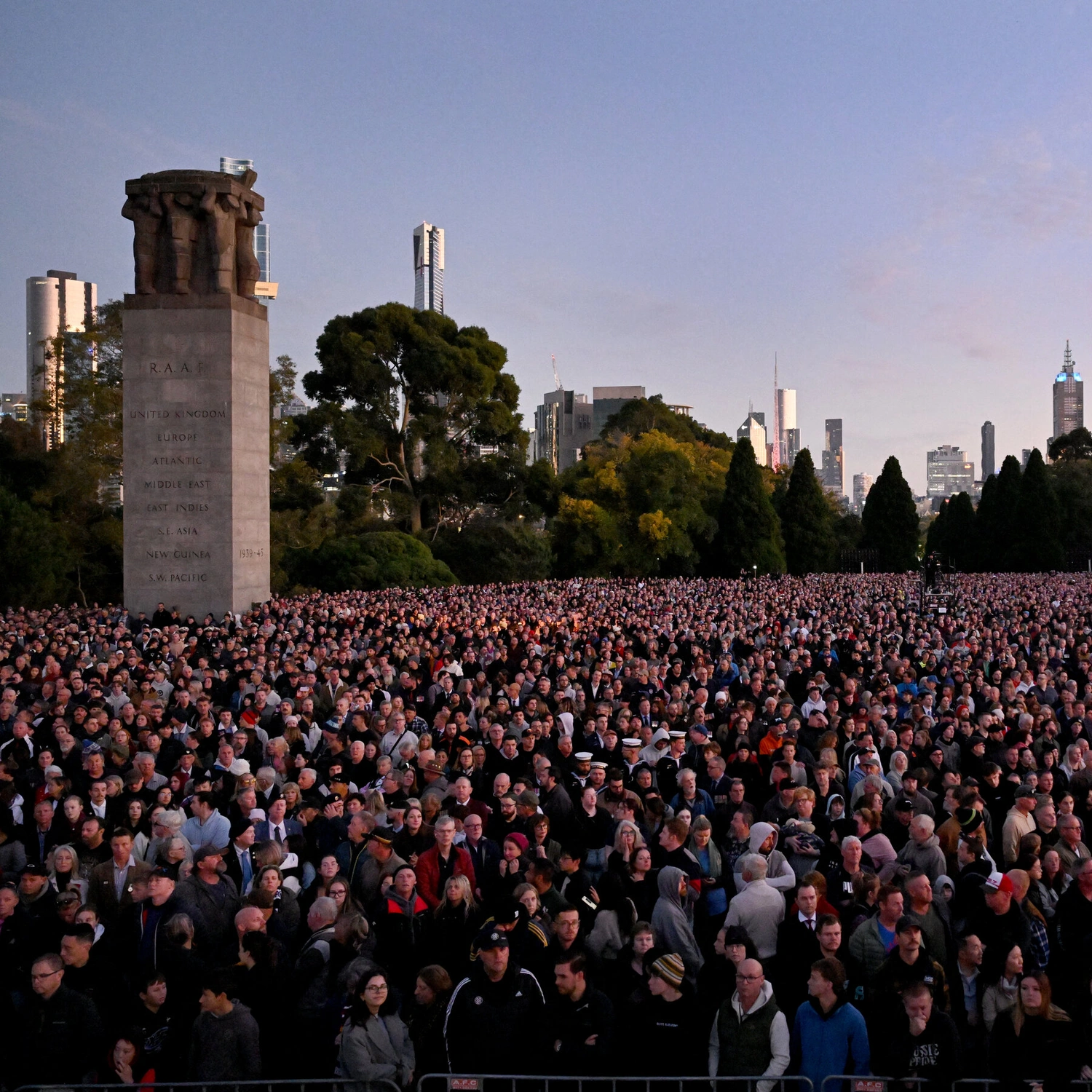
Dawn services on Anzac Day were interrupted in several cities as Indigenous speakers were booed during the traditional welcome to country, highlighting tensions over how Australia acknowledges its history and its original inhabitants.
In Sydney, Melbourne and Perth, the Indigenous acknowledgment faced jeers that drew quick rebukes from community leaders. After the disturbance at Martin Place, supporters turned to applause for Uncle Ray Minniecon, a respected elder whose words underscore the enduring connection to land and culture. The incident sparked renewed discussion about whether Anzac remembrance can include a broader, more inclusive dialogue about history and reconciliation.
One man was arrested during the Sydney service on a nuisance-related charge, with police explaining that several others were moved on from the event as tensions rose. Despite the disruption, many attendees offered a contrasting show of support, reflecting a wider public call for a more inclusive national narrative.
Meanwhile, on the Gold Coast, veteran Ben Roberts-Smith attended the dawn service at Currumbin Beach. The Victoria Cross recipient stated he planned to attend, emphasizing a commitment to participation in commemorations regardless of broader legal battles he faces.
Indigenous leaders were quick to condemn the incidents. They described the booing as not in the spirit of Anzac and highlighted the long history of racism faced by Aboriginal communities. Uncle Jack Pearson, an army veteran, spoke of a need for respect and unity, while others argued that acknowledging country is an essential part of recognizing Australia’s true history. The calls from elders and community advocates remain clear: remembrance must evolve to include the voices and experiences of Aboriginal and Torres Strait Islander people. The events raise questions about how the nation commemorates its past while addressing ongoing disparities and histories of dispossession.
As Australia continues to wrestle with its colonial legacy, many see these moments as an opportunity for open dialogue, education, and reconciliation—ensuring Anzac Day remains meaningful for all Australians while honoring those who served and the land that has long been home to Indigenous peoples.
