How Network Service Orchestration Enhances Termination Units

How Network Service Orchestration Enhances Termination Units
As networks continue to evolve, embracing orchestration and modern network termination units 🔗 will be essential for staying competitive and meeting the ever-increasing demands of users and applications. The journey toward fully automated, self-optimizing networks is well underway, and those who invest in these foundational technologies today will be best positioned to thrive in the connected world of tomorrow.
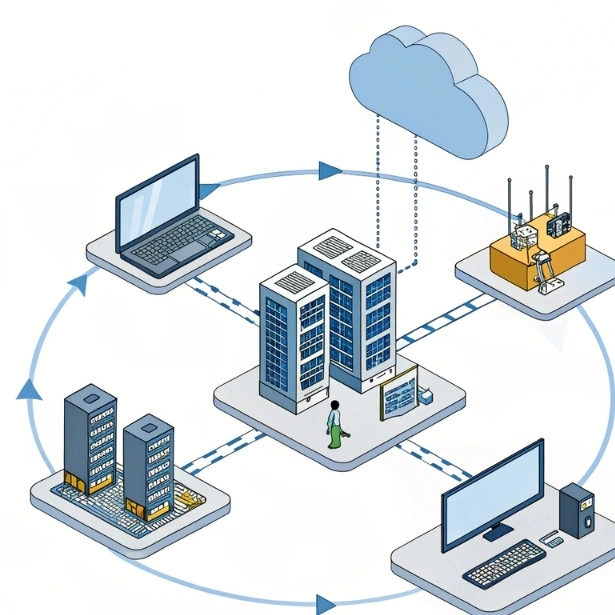
Network service orchestration 🔗 also enables integration across multiple technology domains, including cloud, data center, and access networks. By leveraging open interfaces and APIs, it breaks down the barriers between hardware and software, physical and virtual infrastructure, and even different vendors. This level of flexibility is essential for delivering end-to-end services in today’s multi-domain, multi-vendor environments.
Key Benefits of Network Service Orchestration
The move to network service orchestration brings a host of advantages for organizations of all sizes. First and foremost is automation. By automating repetitive tasks 🔗—like device configuration, policy enforcement, and service provisioning, organizations can dramatically reduce the risk of human error and free up IT staff for more strategic work.
Another major benefit is scalability. Orchestration platforms make it easy to add new devices, services, or even entire network segments without a proportional increase in manual effort. This is especially valuable for businesses experiencing rapid growth or seasonal spikes in demand.
Cost optimization is also a significant advantage. Intelligent scheduling and resource allocation ensure that network resources are used efficiently, reducing unnecessary overhead and avoiding overprovisioning. This not only saves money but also improves the overall sustainability of the network.
Visibility and control are enhanced through centralized monitoring and reporting tools. Administrators gain a comprehensive view of network health, performance, and security, making it easier to identify and resolve issues before they impact users. Consistency is enforced through repeatable workflows and best practices, ensuring reliable outcomes across different teams and environments.
The Role of the Network Termination Unit
The network termination unit is a small but vital piece of hardware that sits at the edge of the network, connecting the service provider’s infrastructure to the customer’s premises. Its primary function is to terminate the provider’s network and present a standardized interface to the end user’s equipment.
This device is responsible for translating signals, managing protocol conversions, and ensuring that data flows smoothly between different network segments. In essence, the network termination unit acts as a gateway, enforcing service-level agreements (SLAs) and maintaining the integrity of the connection.
Beyond its basic connectivity role, the network termination unit often supports advanced features such as traffic shaping, quality of service (QoS), and security filtering. These capabilities help guarantee that users receive the performance and reliability they expect, even in the face of fluctuating network conditions.
In environments where multiple services or providers are involved, the network termination unit plays a crucial role in demarcating responsibility and simplifying troubleshooting. By clearly defining the handoff point between networks, it helps isolate issues and ensures that each party can meet its obligations.
Integrating Network Service Orchestration with Network Termination Units
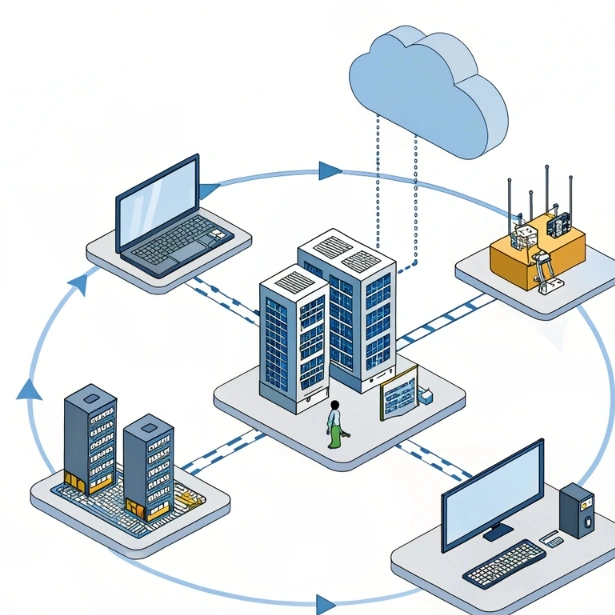
The true power of network service orchestration is realized when it is tightly integrated with network termination units. Orchestration platforms can automate the deployment, configuration, and ongoing management of termination units, ensuring that they are always aligned with current policies and service requirements.
For example, when a new customer is onboarded, the orchestration system can automatically provision the necessary network resources, configure the termination unit, and apply the appropriate security and QoS settings—all without manual intervention. This not only accelerates service delivery but also reduces the risk of misconfiguration.
Real-time monitoring is another key advantage. By continuously collecting data from network termination units, orchestration platforms can detect anomalies, trigger automated responses, and provide actionable insights to administrators. This proactive approach helps maintain high levels of service availability and performance.
Automated updates and policy enforcement further enhance security and compliance. As business needs evolve or new threats emerge, orchestration systems can push updates to network termination units across the entire network, ensuring a consistent and up-to-date security posture.
Challenges in Modern Network Operations
Despite the clear benefits, integrating network service orchestration and network termination units is not without its challenges. One of the biggest hurdles is the complexity of modern networks, which often span multiple vendors, domains, and technologies. Ensuring interoperability and consistent performance across such diverse environments requires careful planning and robust integration capabilities.
Another challenge is the need for skilled personnel. While orchestration platforms automate many tasks, they still require knowledgeable administrators to design workflows, manage exceptions, and troubleshoot issues. Training and upskilling staff is essential to fully realize the benefits of orchestration.
Legacy infrastructure can also pose obstacles. Many organizations still rely on older network termination units or management tools that may not be fully compatible with modern orchestration platforms. Upgrading or replacing these components can be costly and time-consuming, but it is often necessary to achieve seamless integration.
Security and compliance are ongoing concerns. As networks become more automated and programmable, the potential attack surface increases. Organizations must ensure that their orchestration and termination unit solutions incorporate robust security measures, including access controls, encryption, and continuous monitoring.
Future Trends in Network Orchestration and Termination
Looking ahead, several trends are poised to shape the future of network service orchestration and network termination units. Artificial intelligence and machine learning are being increasingly integrated into orchestration platforms, enabling smarter automation, predictive analytics, and self-healing capabilities. These technologies can identify patterns, anticipate issues, and optimize network performance in ways that were previously impossible.
Programmability and open standards are also gaining traction. As networks become more software-defined, the ability to programmatically control every aspect of the infrastructure is becoming a key differentiator. Open APIs and modular architectures make it easier to integrate new devices, services, and vendors, fostering innovation and reducing vendor lock-in.
The network termination unit is evolving as well. Next-generation units are being designed with greater intelligence, supporting advanced features like edge computing, virtualization, and enhanced security. These capabilities enable more flexible and resilient service delivery, particularly in distributed and remote environments.
As 5G and IoT deployments accelerate, the need for agile, automated, and secure network management will only grow. Network service orchestration and advanced network termination units will play a central role in meeting these demands, enabling organizations to deliver high-quality connectivity and services at scale.
FAQs: How Network Service Orchestration Enhances Termination Units
1. What is network service orchestration?
Network service orchestration is a software-driven approach that automates and coordinates the management, deployment, and optimization of network resources and services across multiple domains and technologies.
2. How does network service orchestration benefit organizations?
It delivers automation, scalability, cost optimization, and enhanced visibility and control, allowing organizations to reduce manual work, minimize errors, and efficiently manage complex network environments.
3. What is a network termination unit?
A network termination unit is a hardware device located at the edge of a network, connecting the service provider’s infrastructure to the customer’s premises and acting as a gateway for data transmission and service delivery.
4. How does orchestration improve the management of network termination units?
Orchestration automates the deployment, configuration, monitoring, and updating of network termination units, ensuring they always align with current policies and service requirements.
5. What advanced features can network termination units support?
Modern units often provide traffic shaping, quality of service (QoS), security filtering, and protocol conversions to ensure reliable and high-performance connectivity.
6. Why is integration between orchestration and termination units important?
Tight integration enables real-time monitoring, automated provisioning, consistent policy enforcement, and rapid response to network events or security threats.
7. What challenges exist when implementing orchestration and termination units?
Key challenges include managing multi-vendor environments, integrating legacy infrastructure, ensuring interoperability, and maintaining skilled personnel for orchestration design and troubleshooting.
8. How does network service orchestration enhance security and compliance?
It enables automated policy enforcement, timely updates, centralized monitoring, and robust access controls, helping organizations maintain a secure and compliant network posture.
9. What future trends are shaping network orchestration and termination units?
Trends include the use of AI and machine learning for predictive analytics and self-healing, increased programmability, adoption of open standards, and the evolution of smarter, more flexible termination units.
10. Why should organizations invest in orchestration and modern termination units now?
Investing today ensures readiness for future demands, supports agile and automated network management, and positions organizations to thrive as networks become more complex and user expectations continue to rise.
