Stealth Mode On: New Patterns Make You Invisible to Surveillance Cameras!
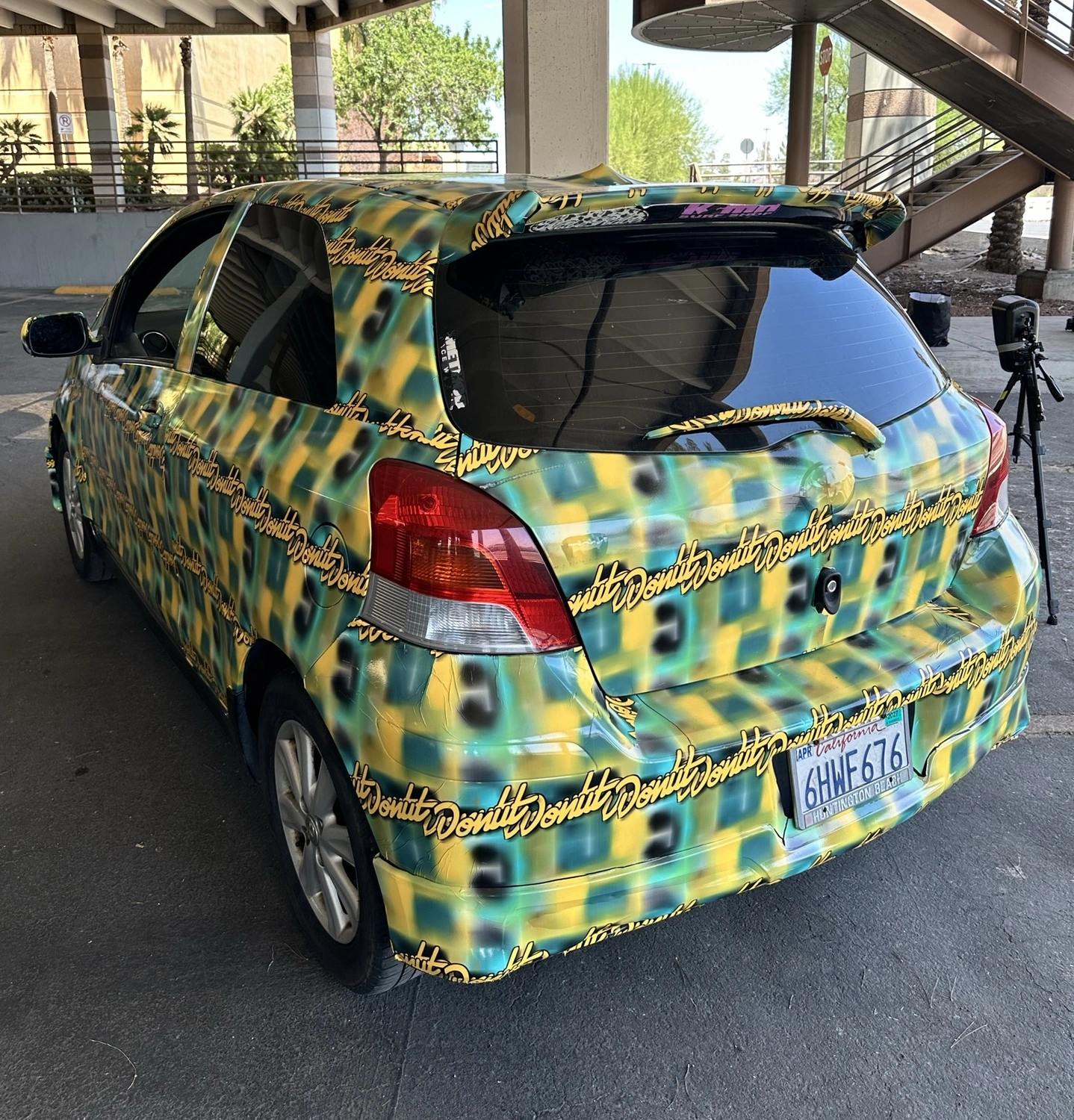
Stealth Mode On: New Patterns Make You Invisible to Surveillance Cameras!
A new algorithm creates computer-generated patterns that can make you, your face, and even your car invisible to surveillance cameras. Is this the future of personal privacy?
The era of ubiquitous surveillance has met its match. Imagine moving through public spaces, your presence subtly disrupted, your identity and even your vehicle rendered invisible to the very cameras designed to track you. It's the cutting edge of privacy technology, leveraging what experts are calling 'adversarial patterns' to redefine our personal space.
The Tech That Blinds Cameras
A security researcher has developed an algorithm capable of generating these unique, computer-based patterns. Their purpose?
To confuse and effectively 'blind' the advanced AI systems that power modern surveillance cameras.
We're talking about a stealth mode for the real world, designed to hide people, faces, and even entire vehicles from automated detection.
It's about disrupting the digital eyes of the world.
Think about it: every day, countless cameras - from traffic lights to storefronts, personal devices to public infrastructure - are constantly collecting data. Our movements, our faces, our vehicles are all inputs for algorithms that learn, track, and identify. This new approach offers a direct counter-measure.
By presenting an 'adversarial' input, these patterns exploit vulnerabilities in the machine learning models that surveillance systems rely on, causing them to misclassify or completely overlook what's right in front of them.
Why It Matters: Reclaiming Privacy
The implications are massive. For individuals concerned about their digital footprint and physical privacy, this technology offers a glimmer of hope. It empowers citizens with a novel way to maintain anonymity in an increasingly observed world.
Imagine activists at a protest, or simply pedestrians walking down a street, choosing to opt out of constant digital scrutiny.
It shifts the balance, providing a tool for personal freedom against pervasive data collection.
The Ethical Crossroads
But, as with any powerful technology, questions arise.
What are the ethical boundaries? While the primary focus is often on personal privacy, any tool that can evade detection could theoretically be misused.
This introduces a fascinating debate about where the lines are drawn, and how societies will adapt to such capabilities. Will cities ban such patterns? Will law enforcement seek ways to counteract them?
The innovation clearly sets the stage for a new kind of arms race between privacy-enhancing tech and surveillance capabilities.
This development is a stark reminder that technology is a double-edged sword.
While surveillance tech has advanced rapidly, so too has the ingenuity to circumvent it.
We're witnessing the birth of a new frontier in digital self-defense, where algorithms are fighting algorithms to protect our fundamental right to privacy.
It's a game-changer, pushing us to rethink the very nature of public and private spheres in our hyper-connected reality.
Keep an eye on this space. The 'adversarial pattern' isn't just a tech curiosity; it's a profound statement about the future of individual liberty against the backdrop of an ever-watching world. This could be just the beginning of a wave of innovations designed to give us back control over our visibility.
