India's UNHRC vote draws Iran's thanks, eyes on Chabahar ties

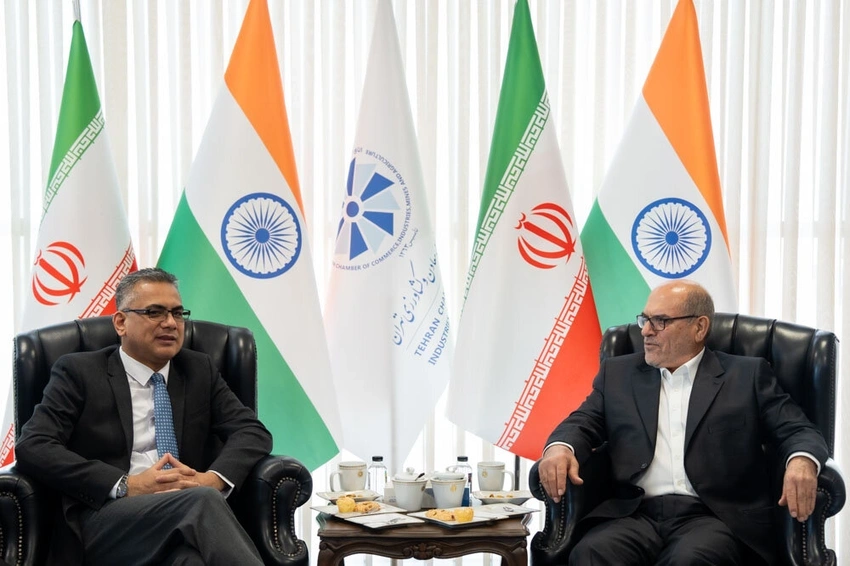
India's UNHRC vote draws Iran's thanks, eyes on Chabahar ties
Iran thanks India for voting against a UNHRC scrutiny resolution, noting centuries of ties as protests push for accountability and regional cooperation via Chabahar.
New Delhi's stance at the United Nations Human Rights Council drew attention as India voted against a resolution calling for broader scrutiny of Iran's human rights record. The resolution, adopted by 25 votes in favor, seven against, and 14 abstentions, sought to broaden the mandate of independent investigators over rights abuses in Iran. India joined a small group of states that opposed or abstained, arguing the measure was selective and politically driven.
Iran’s side underscored a deep, historic relationship. Abdul Majid Hakeem Ilahi, representative of Iran's Supreme Leader, noted that Iran and India have engaged with each other for about 3,000 years, even before Islam emerged. He said: “The history of the relationship and collaboration between Iran and India goes to 3,000 years ago, before the emergence of Islam. Even at that time, we were using philosophical books of India… Even at the university, we studied philosophical books of India; and in mathematics, astronomy, and medicine, we were also using your civilisation, your knowledge, and we always learned through our schools the relationship between Iran and India.” He added that the Supreme Leader “always insists on good relations and collaboration between Iran and India” and expressed hope that cooperation in Chabahar will continue to flourish.
On the human-rights front, Iran displayed a posture of pursuing dialogue and accountability, while pointing to the UNHRC process as a vehicle for engagement. The broader international conversation in Geneva has continued alongside domestic disclosures about the crackdown on protests.
The latest tallies from Iran’s state media put the official death toll from the crackdown at 3,117. Independent monitors, including HRANA, have reported higher figures, with HRANA listing 4,519 killed—comprising 4,251 protesters, 197 security personnel, 35 people under 18, and 38 bystanders—along with 9,049 additional deaths under review. The figures reflect a polarized narrative surrounding the protests and the government’s response.
Against this backdrop, the UN Rights Council has moved to extend and broaden the mandate of independent investigators gathering evidence toward accountability for rights violations in Iran, signaling that scrutiny and diplomacy continue to intersect in this complex geopolitical landscape.
