Dua Lipa and Service95: A Pop Star Who Turns the Page

Dua Lipa and Service95: A Pop Star Who Turns the Page
Dua Lipa and Service95: A Pop Star Who Turns the Page
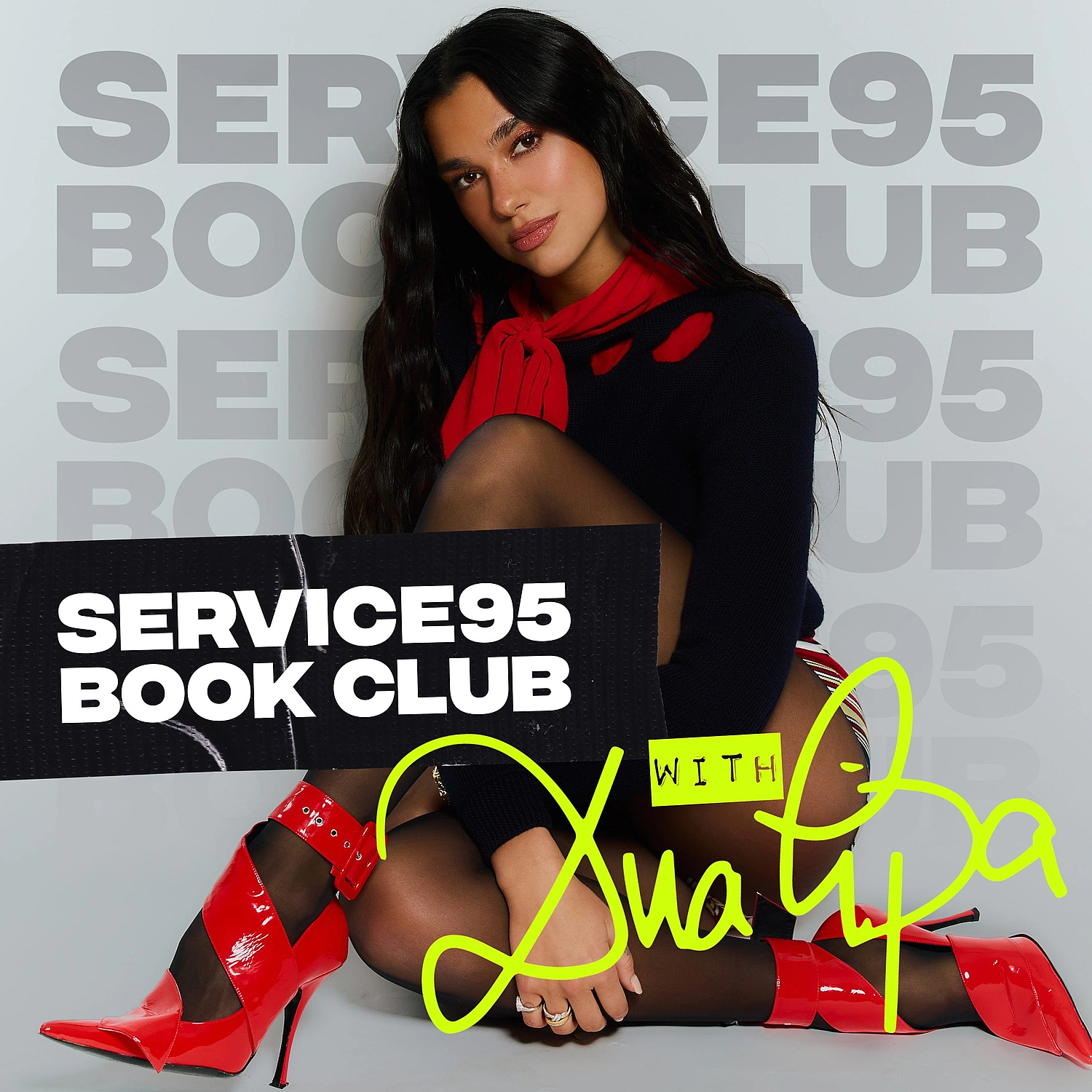
Dua Lipa uses Service95 to turn reading into cultural dialogue, hosting conversations with authors like Olga Tokarczuk, Ocean Vuong and George Saunders. A rare, probing look beyond pop stardom.
When Dua Lipa’s name comes up, most people think of chart-topping singles, red-carpet style or glittering stadium tours. Yet in the past few years, something quieter but perhaps more culturally significant has been unfolding alongside her musical career: a series of literary interviews that have captured the attention of readers and writers alike. What started as a side project blossomed into Service95 Book Club, a space where a pop star talks books with major authors such as Olga Tokarczuk, Percival Everett, Ocean Vuong, George Saunders and more in conversations that feel neither superficial nor scripted, but genuinely probing and engaged.
More Than a Celebrity Hobby
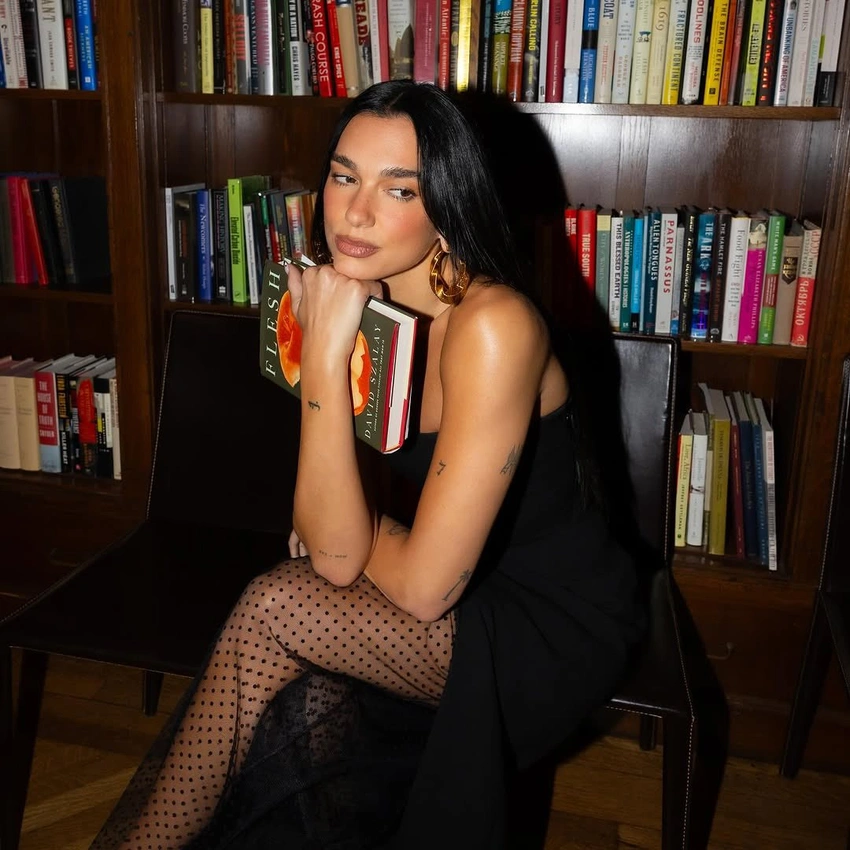
Celebrity book clubs aren’t new. From Oprah to Reese Witherspoon, famous figures have long lent their names to reading recommendations. But in Dua Lipa’s case, there’s evidence that her engagement runs deeper than window-dressing. She has spoken publicly about how reading shaped her worldview from childhood, recalling long hours in bookshops and the influence of her historian grandfather on her literary tastes.
This personal foundation matters. It sets her apart from celebrities who treat literature as a marketing add-on. For Lipa, books are not just props; they are portals into ideas, histories and human experiences beyond the reach of chart positions and fashion spreads.
Interview Style and Substance
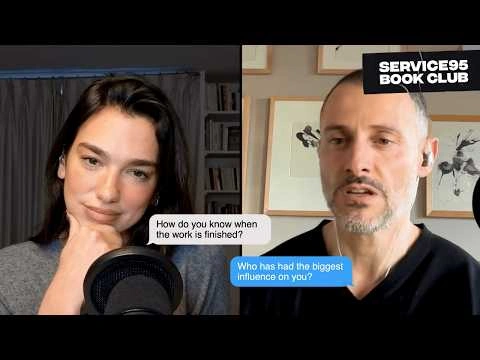
What makes these conversations stand out? One key feature is depth of curiosity. In many literary interviews on television or morning shows, authors have minutes to summarise their work, often redirected quickly towards promotional soundbites. Lipa’s discussions, in contrast, allow space to explore creative process, thematic nuance and the relationships between author, text and reader.
Take her interview with Percival Everett, for example: rather than skimming the surface of The Trees, they examine the novel’s relationship with American cultural memory, satire and the recalcitrant presence of history topics far removed from the Pall Mall-style Q&A. Likewise, her conversations with Ocean Vuong and George Saunders reveal a willingness to sit with complexity, not to reduce it.
Commentators and audiences have noticed this shift. Lipa’s questions often feel informed by close reading rather than surface familiarity, opening up spaces for genuine reflection rather than neat elevator pitches.
Not Just Fan Talk
It’s one thing for casual viewers on Reddit to praise an interview; it’s another for commentators in established cultural forums to take it seriously. Reviews and essays in reputable outlets have posited that the tone, curiosity and structure of Lipa’s author conversations distinguish them in a crowded media landscape. In an analysis published earlier this year, a writer noted how her interview with Hernán Díaz’s Trust felt more insightful than many traditional media conversations, precisely because of the thoughtful questions and genuine engagement with the narrative and craft.
A related point emerges from author responses themselves. In The Guardian, for instance, a veteran writer praised Lipa for approaching interviews with “serious and sensitive” attention — an acknowledgement from within the literary world that her approach isn’t just celebrity gloss but a mode of engagement that respects the author’s work and intention.
Beyond Celebrity Clout
What’s intriguing about Lipa’s success in this sphere is that it speaks to a lack in current cultural conversations. Many mainstream book discussions remain confined to festival stages or niche podcasts; others are perfunctory appearances on TV talk shows. Lipa’s platform bridges several worlds of pop culture, literary art, and global digital reach offering authors visibility while inviting audiences who might otherwise bypass literary interviews to stick around.
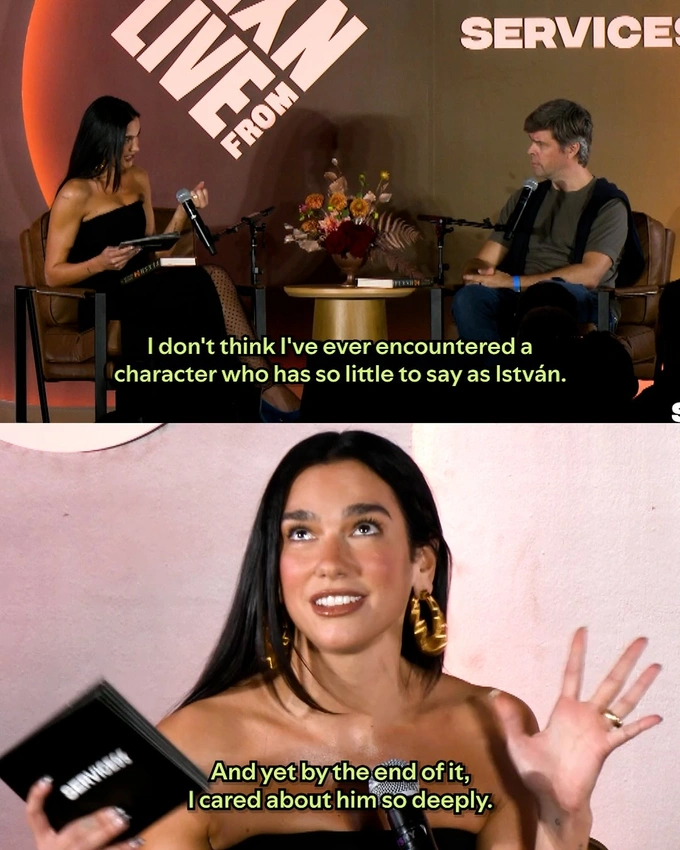
There’s an argument to be made that her ability to host effective interviews doesn’t come from expertise in literary criticism per se, but from a genuine desire to understand why a book matters. She doesn’t merely ask “What is this about?”, but “Why did you write this?”, “How did you come to these ideas?” and “What do you take away from this creative process?” That kind of questioning locates interviews in a broader humanistic tradition, one that favours curiosity over promotion.
A New Model for Conversations About Books
Declaring Dua Lipa the best author interviewer we have is at this moment a provocative but defensible claim. Not because she eclipses trained journalists or lifelong critics, but because she brings something rare to the table: intellectual earnestness paired with cultural reach. Her interviews aren’t academic seminars per se, yet they exhibit a level of thoughtfulness and engagement often missing in both celebrity media and conventional literary promotion.
In doing so, she might be redefining what an author interview can be in the digital age: a space where nuance, curiosity and respect for the written word sit comfortably alongside glitz, glamour and viral clicks. For anyone who cares about the intersection of books and contemporary culture, that’s a development worth reading about and listening to.
#DuaLipa #Service95 #BookClub #LiteratureLovers #AuthorConversations
