Suvendu Adhikari: BJP's gamechanger in Bengal politics

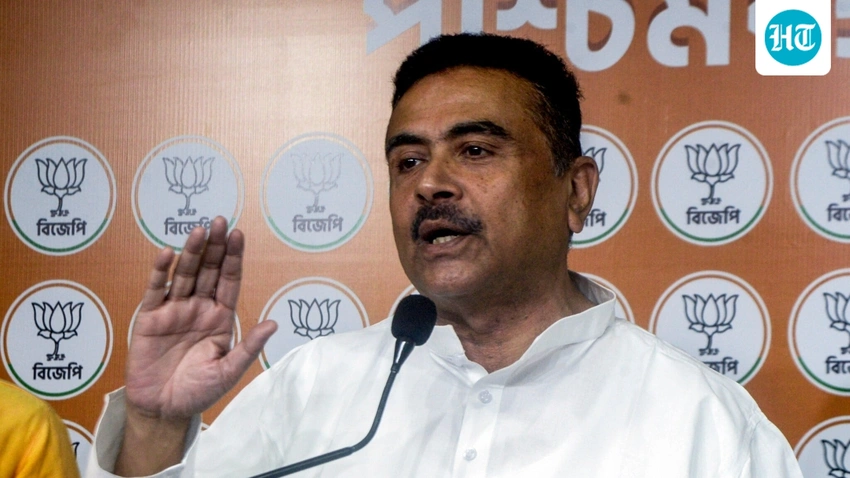
Suvendu Adhikari: BJP's gamechanger in Bengal politics
From Mamata Banerjee loyalist to BJP leader, Suvendu Adhikari's rise is reshaping Bengal's electoral battleground ahead of the state polls.
Suvendu Adhikari has emerged as one of the defining figures in West Bengal's evolving political landscape, a trajectory that began with his departure from Mamata Banerjee's circle and culminated in a prominent BJP leadership role. His move altered the balance of power in the state, energizing BJP's cadre and challenging the long-dominant Trinamool Congress in ways that strategists say will echo through the upcoming elections.
Many observers note that Adhikari's base remains loyalist to a degree, but his ability to translate that support into broad electoral appeal will be tested as the campaign unfolds. He has built a reputation for organizational discipline, mobilizing workers in rural pockets and urban pockets alike, and presenting a disciplined, issue-focused alternate narrative to the ruling party. This blend of local connect and national party backing positions him as a potentially decisive factor in seat fortunes across Bengal.
The election context adds urgency to the discussion: Bengal will vote for its 294-member assembly in two phases on April 23 and April 29. In this environment, attention has centered on whether Adhikari can rally voters beyond his traditional strongholds and whether the BJP can translate a strong organizational network into sustained electoral momentum.
In interviews and public appearances, Adhikari has emphasized loyalty to the party’s strategic direction. He has publicly stated that he is supporting the party's election management, signaling a shift from opposition-facing rhetoric to a focus on delivery and governance. The BJP has framed its Bengal strategy around job creation and clean governance, themes Adhikari has echoed in various public engagements as it positions itself as a credible alternative to the incumbent administration.
Analysts say the development could compress the space for other opposition voices and accelerate realignments within the state’s political map. For the Trinamool Congress, Adhikari’s presence in BJP’s leadership fold adds a challenging dynamic, compelling them to respond with their own cadre-based mobilization and policy-focused messaging. The coming weeks will reveal how much Adhikari’s personal appeal can broaden the BJP’s appeal and whether his leadership can translate into significant seat gains.
Ultimately, this is more than a personality story; it is a test of Bengal’s political arithmetic, organizational depth, and the voters’ willingness to consider a new face in governance at a time of high stakes and high expectations for change.
