AI's Dirty Secret: Why We Need to Talk About Its Thirsty Footprint NOW

AI's Dirty Secret: Why We Need to Talk About Its Thirsty Footprint NOW
We're mesmerized by AI's power, but few look past the screen to its hidden costs. Beyond the algorithms, there's a colossal thirst for water and energy that demands urgent attention. It's time for real scrutiny.
The buzz around Artificial Intelligence is undeniable. From generating art to accelerating scientific discovery, AI promises a future brimming with efficiency and innovation. Yet, amidst the hype, there's a critical conversation we're largely overlooking: the colossal environmental footprint of these digital marvels.
We often focus on the sleek, invisible nature of software, forgetting the tangible, resource-intensive infrastructure that powers it. At the heart of every AI operation are data centers – sprawling complexes humming with servers that consume staggering amounts of electricity. And where there's massive electricity consumption, there's an equally massive demand for water.
The Hidden Thirst
Many tech companies are, commendably, working on making data centers more efficient. They're implementing advanced cooling systems to reduce the water used within these facilities. This is a positive step, and every drop saved counts. But here's the crucial distinction: it addresses only a fraction of the problem. The truly enormous water consumption isn't primarily for cooling the servers directly; it's for cooling the power plants that generate the electricity these servers devour.
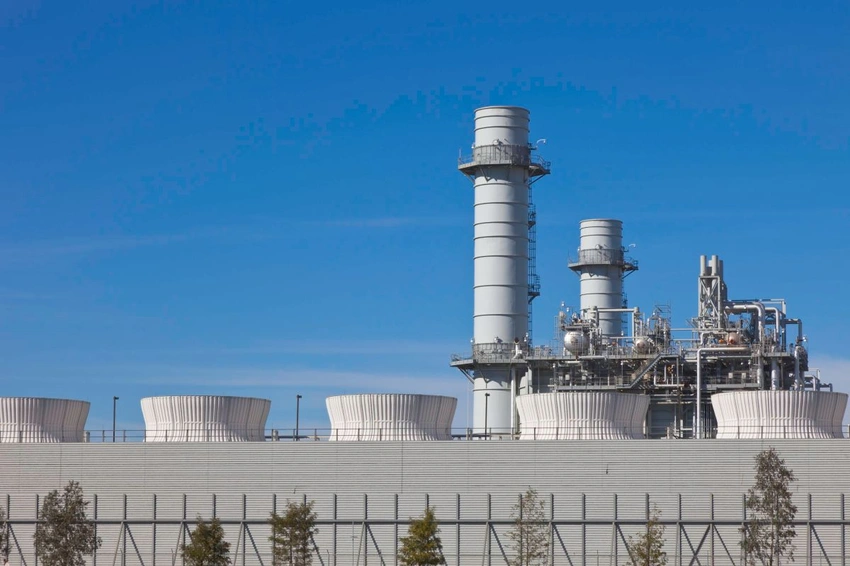
Think about it: whether it's a fossil fuel plant or a nuclear plant, vast quantities of water are needed to cool the steam used to spin turbines and produce electricity. If an AI training run consumes gigawatts of power, the upstream water footprint at the power generation source is astronomically higher than what's used inside the data center itself. This is the unseen cost, the dirty secret lurking behind our digital progress.
Beyond the Server Room
As AI models grow exponentially in complexity and size, their energy and water demands will only skyrocket. A single complex AI model can require millions of dollars in electricity to train. If that electricity comes from sources like coal or gas, the embedded water cost is immense. This isn't just about PUE (Power Usage Effectiveness) in data centers; it's about the entire energy supply chain.
We need to ask tougher questions. Where does the power for these AI factories truly come from? Is it renewable? And if not, what are the full environmental ramifications, particularly regarding local water resources? Focusing solely on internal data center efficiencies, while valuable, can inadvertently create a 'greenwashing' effect, diverting attention from the much larger environmental challenge of energy sourcing.
Time for Real Accountability
AI innovation must be twinned with radical transparency and accountability regarding its environmental impact. Governments, tech giants, and consumers must demand a full, end-to-end accounting of the energy and water consumed by our AI-driven world. It's not enough to build faster, smarter AI; we must build sustainable AI. Otherwise, the unseen costs of our technological marvels will eventually become all too visible, impacting communities and our planet in ways we can no longer ignore.
