US & Colossal Biosciences Partner to Save Endangered Species DNA!
US & Colossal Biosciences Partner to Save Endangered Species DNA!
The US government is teaming up with Colossal Biosciences to create a massive 'BioVault,' preserving DNA from at-risk animals and plants. A groundbreaking move to safeguard biodiversity – but what's the catch? #Endangere
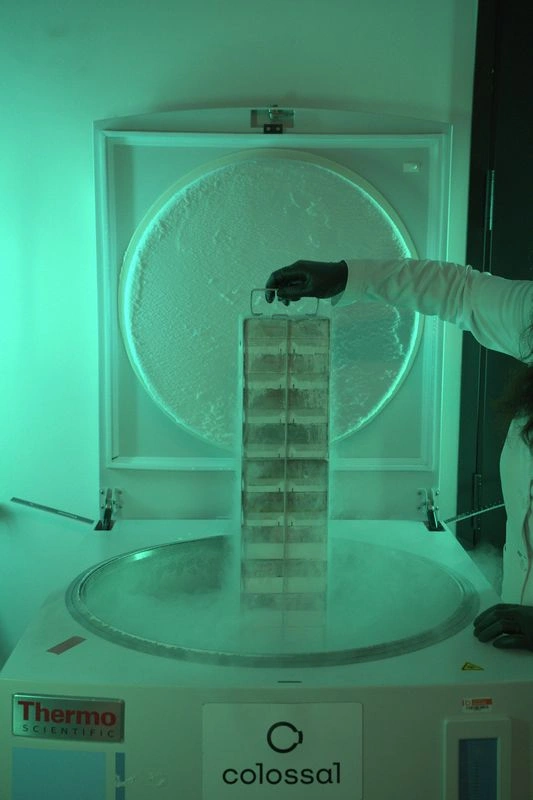
In a surprising move, the Trump administration has announced a new partnership aimed at safeguarding the genetic future of imperiled species. The U.S. Fish and Wildlife Service is teaming up with Colossal Biosciences, a private company known for its bold claims, to establish a pioneering ‘BioVault.’ This ambitious project intends to create a comprehensive biobank, meticulously storing DNA samples from at-risk animal and plant species facing extinction.
The collaboration highlights a significant step towards preserving biodiversity through advanced genetic conservation. Colossal Biosciences, which has previously garnered attention for its controversial assertion of having revived extinct dire wolves, brings its expertise in genetic engineering and de-extinction technologies to the table. The BioVault’s primary goal is to provide a genetic safety net, ensuring that even if species are lost in the wild, their genetic blueprints could potentially be preserved for future research or even eventual reintroduction efforts.
However, this partnership arrives amidst a complex backdrop. Critics, including those from publications like Wired, point out that this initiative coincides with efforts by the Trump administration to potentially weaken the very legislative protections designed to prevent species from becoming endangered in the first place. The Endangered Species Act, a cornerstone of wildlife conservation in the United States, has reportedly been targeted for modifications that could reduce its efficacy. This dual approach – strengthening conservation through DNA banking while potentially loosening protective regulations – raises questions about the administration's overarching strategy for wildlife preservation.
The creation of the BioVault represents both a beacon of hope for genetic preservation and a point of contention regarding the broader environmental policy landscape. As samples are collected and stored, the scientific community and conservationists will be closely watching the practical implications of this partnership and its true impact on the future of Earth's most vulnerable inhabitants.
