Trump threatens Canada with 100% tariffs over China trade deal

Trump threatens Canada with 100% tariffs over China trade deal
Trump warns Ottawa of 100% tariffs if it pursues a China deal, signaling a bold shift in North American trade tensions.
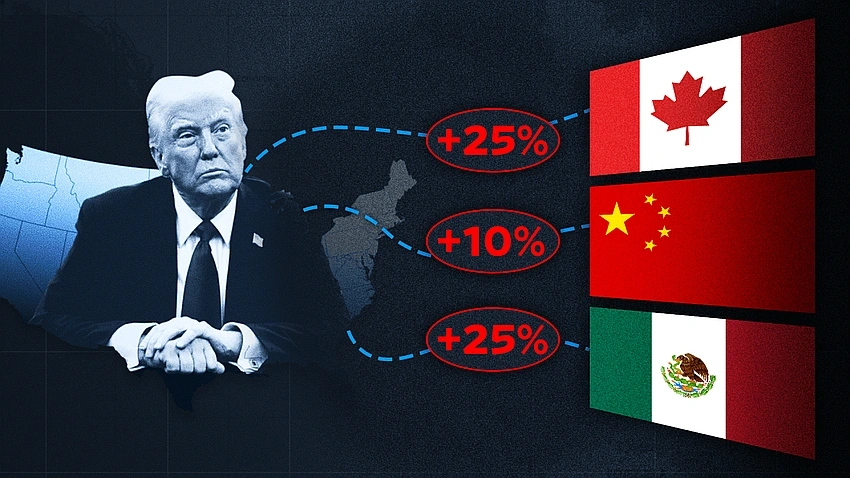
President Donald Trump on Saturday posted a strong warning: if Canada presses ahead with its new trade deal with China, the United States would impose a 100% tariff on goods from Canada. He criticized Ottawa for potentially turning Canada into a Drop Off Port for China, insisting rivals should not underestimate his resolve.
The move comes at a moment of heightened sensitivity around North American trade, with markets watching closely as Washington weighs protectionist instincts against long-standing economic ties with its neighbor to the north. A 100% duty on Canadian imports would ripple through supply chains that cross the U.S.-Canada border, affecting sectors from automotive parts to consumer electronics and potentially lifting prices for American shoppers already grappling with inflationary pressures.
Analysts caution that such a tariff could invite retaliatory measures and complicate relations with Canada at a time when allies are seeking stable economic partnerships amid global shifts. The prospect also adds uncertainty to ongoing discussions about diversification and resilience in supply chains that rely heavily on cross-border trade.
Canada has historically emphasized its right to pursue independent trade agreements that best serve its economy, including relations with China. While Ottawa may support diversification, the threat of punitive tariffs underscores how quickly tariff rhetoric can translate into real-world market jitters and strategic recalculations for businesses operating across North America.
Observers note that this episode illustrates how high-stakes statements from the highest levels of government can shape investment decisions, labor markets, and diplomatic calendars. Whether the threat materializes into policy remains to be seen, but the potential economic and political reverberations are already prompting anxious responses from industries and policymakers alike.
