Modi's Diwali Gift, What Could Get Cheaper After GST Makeover

Modi's Diwali Gift, What Could Get Cheaper After GST Makeover
India's next-gen GST aims to cut tax slabs and ease costs on essentials like snacks, mobiles, and cycles. Read on to know what might get cheaper and why it matters
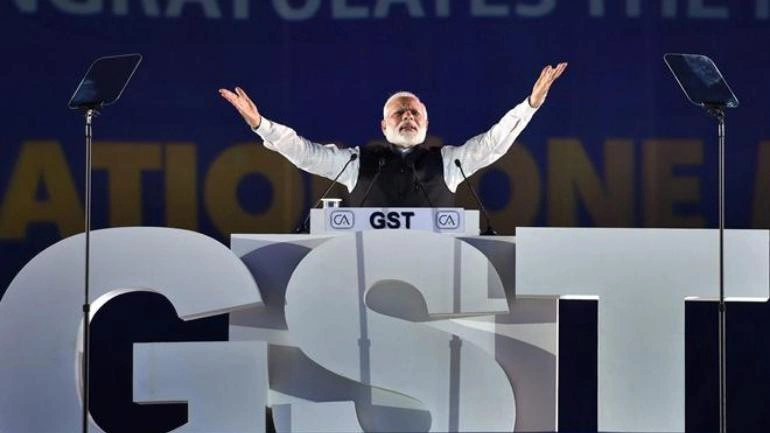
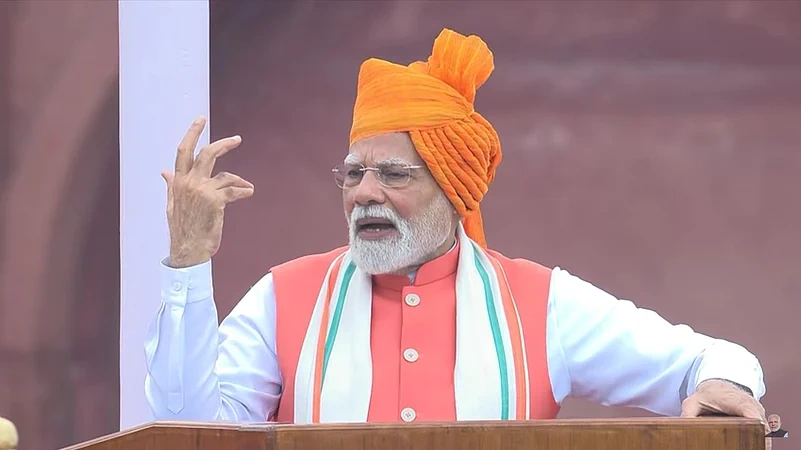
India is poised for a major Goods and Services Tax (GST) overhaul. Prime Minister Narendra Modi called it a “double Diwali gift” in his Independence Day speech. The goal: simplify tax slabs and lighten the cost burden for everyday people.
What is changing and why
The current GST system has four main tax slabs, 5%, 12%, 18%, and 28%, plus extra levies on luxury and sin goods. The reform plan proposes two primary slabs of 5% and 18% and a special 40% rate for demerit items like tobacco and pan masala.
Officials call this a “game changer.” The simplified structure is expected to be phased in by Diwali 2025. It could pave the way for a unified, single-rate GST by 2047.
What items may Become Cheaper
Under the new plan, nearly all goods in the 12% bracket may move to 5%. 90% of items in the 28% bracket may fall to 18%. This could benefit wide categories, including:
Household staples like packaged foods, snacks, toothpowder, soaps, hair oil, frozen vegetables, and condensed milk.
Everyday goods like mobiles, computers, sewing machines, pressure cookers, water filters, irons, vacuum cleaners, and even bicycles.
Insurance and education services are expected to see lower costs under the 5% mark.
Agricultural tools and items like bicycles and equipment may get more affordable, encouraging green mobility and rural usage.
Businesses are welcoming the reform. MSMEs, which juggle complex tax compliance, may gain from reduced burdens and simpler structures. Experts expect this may spur demand and invites easier business operations.
Why Now and Why it Matters
Falling prices on essentials can boost household spending and morale, especially heading into the festive season, brining public relief. Cutting tax brackets reduces confusion and streamlines compliance. Economists suggest this tax shift could inject the equivalent of 0.6 to 0.7% of GDP into the economy as stimulus.
Consumers may gain from immediate savings, particularly on daily goods. MSMEs could see lower compliance costs and clearer tax processes. The government risks revenue loss around ₹50,000 crore (0.15% of GDP) if many goods slide to lower slabs.
States must agree via the GST Council, where negotiations can complicate reforms. Demerit goods still taxed high, so luxury consumption may remain expensive.
What Next
The Group of Ministers will review the proposal. The GST Council is likely to discuss it in September or October. Implementation ahead of Diwali will be key to promoting festive spending and goodwill. Stakeholder updates, from consumers, retailers, and states—will signal how smoothly reform takes root.
This GST reform offers a meaningful tax simplification and could relieve inflation pains for consumers. It also supports MSMEs by lowering red tape. Yet finding balance between revenue shortfalls and consumer benefit will be essential. Transparent dialogue is needed to ensure reforms are fair, effective, and sustainable.
