Beyond Puppies: PAW Patrol's Surprising Authority Debate
Beyond Puppies: PAW Patrol's Surprising Authority Debate
Think PAW Patrol is just for kids? Think again. We’re digging into how 'The Dino Movie' subtly engages with critiques of authority, challenging perceptions of animated canine heroes.
PAW Patrol's Unexpected Stand on Authority
We all know that children's media often carries messages, sometimes subtly, sometimes overtly. But it's not every day you see a beloved franchise like 'PAW Patrol' wade into complex social commentary, especially around the thorny topic of authority. Yet, with 'PAW Patrol: The Dino Movie,' we're seeing a fascinating, almost meta-commentary unfold.
For years, in certain online circles, the “dog-cop” premise of 'PAW Patrol' has been playfully, or not so playfully, linked to the 'ACAB' (All Cops Are Bastards) discourse. It's a wild leap from a preschool show, sure, but it reflects how adults project real-world debates onto even the most innocent content. What's truly unexpected is how the latest film seems to acknowledge this discussion head-on.
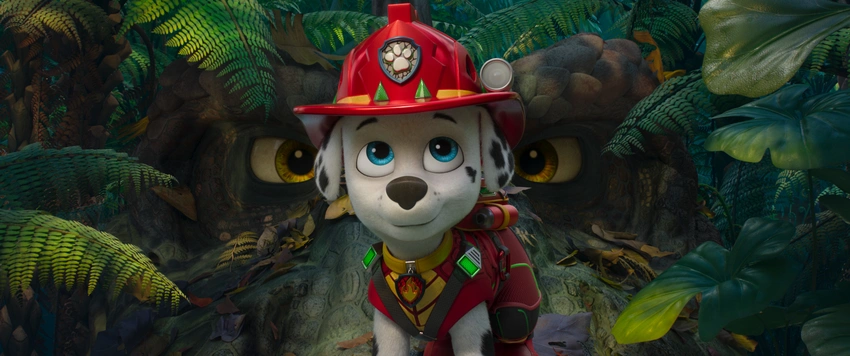
In 'The Dino Movie', we get a glimpse of this self-awareness right from the start.
Even the villain, Mayor Humdinger, asks, 'PAW Patrol… are they still a thing?' This isn't just a throwaway line; it's a nod to the show's enduring, and perhaps sometimes baffling, omnipresence. It hints at a production team aware of their cultural footprint and the conversations happening around their creation.
But the real kicker, and where the film truly engages with the 'ACAB' idea, is its explicit counter-message. The movie essentially pushes an 'ACAB Message, Only It's All Canines Are Benevolent.' Think about that for a moment. Instead of ignoring the broader societal dialogue about authority and law enforcement, the film actively subverts a critical viewpoint by presenting its canine heroes as unequivocally good, trustworthy, and selfless.
Rather, it's a robust defense of it, framed within a world where every problem is solvable by a team of dedicated, well-meaning pups. The film's 'worldview leaves much to be desired' for those seeking deeper nuance, as some have noted, but this very stance is a form of social commentary. It's a deliberate choice to reinforce a pro-authority narrative, especially in a landscape where such figures are often questioned.
It makes you wonder: Is this an accidental byproduct of a simple kids' show, or a calculated response to the critical undercurrents?
The film's commendable visual ambition might distract from its ideological simplicity, but the message is clear.
It takes the established 'dog-cop' trope and uses it to cement a specific, positive view of those in charge.
Ultimately, 'PAW Patrol: The Dino Movie' demonstrates that even our youngest viewers are being exposed to - and perhaps subtly shaped by - discussions usually reserved for adult news cycles. It's a fascinating example of how popular media, even animated canines, can become an arena for social discourse, whether it's reinforcing or challenging societal norms. And that's something worth barking about.
