The 2026 Winter Olympics by the numbers: budgets, bonuses, and top earners

The 2026 Winter Olympics by the numbers: budgets, bonuses, and top earners
A snapshot of Milan Cortina 2026 reveals a multibillion-dollar budget, soaring costs, and hefty medal incentives shaping the Games.
A fresh tally called 'The 2026 Winter Olympics by the numbers' breaks down 16 figures powering the Milan Cortina Games—from eye-popping equipment costs to the multibillion-dollar budget and the age of the oldest arena.
A look at the financial spine of the event shows the scale of spending that accompanies hosting the Winter Games across Milan and Cortina, with a multibillion-dollar budget and equipment costs that underscore the event’s scale beyond medals. The figures illuminate how much goes into venues, operations, and the ongoing upkeep that keeps athletes on the ice and on the slopes.
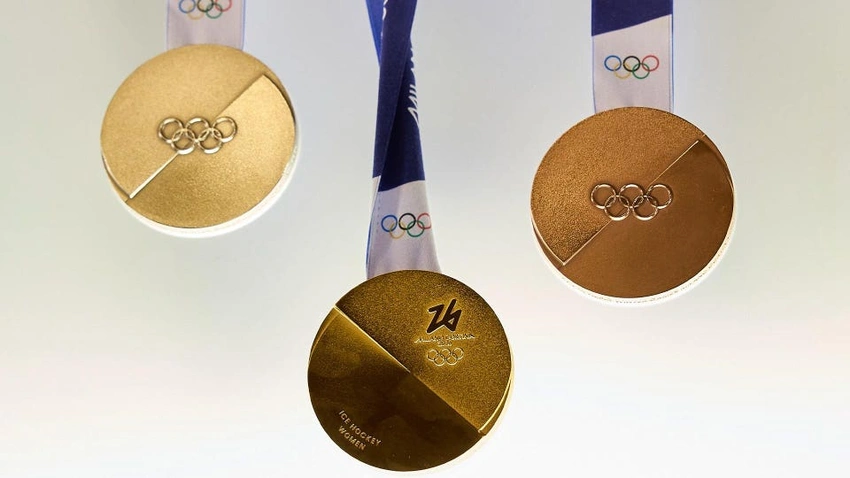
The report highlights prize money as a major talking point: Americans who top the podium will receive a $37,500 bonus, while competitors from other nations could collect as much as $800,000. The spread reflects different national incentive programs and Olympic funding models as athletes chase medals on one of sport’s biggest stages.
On the athlete earnings front, NHL players are among the top earners in Milan Cortina, but the biggest payday is expected for a skier, with an estimated $23 million in potential earnings from prize money, sponsorships, and bonuses tied to performance. These figures offer a window into how the Games’ financial landscape shapes preparation, selection, and performance.
Together, the numbers paint a picture of an event with immense global interest and a budget to match, highlighting how the Milan Cortina Games aim to balance competition, spectacle, and economic impact.
