How Brands Use FOMO Marketing to Drive Sales and Urgency

How Brands Use FOMO Marketing to Drive Sales and Urgency
How Brands Use FOMO Marketing to Drive Sales and Urgency
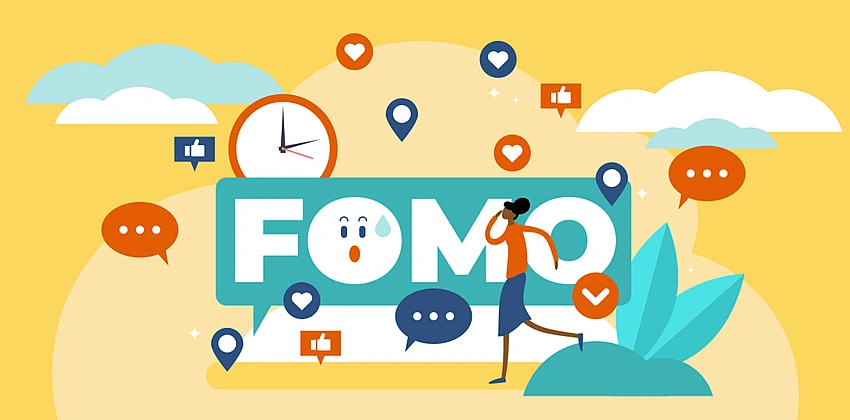
It’s no secret that advertising uses various psychological and emotional techniques to attract consumers in any way possible. One such way is using the idea of the fear of missing out or as it is more popularly known, FOMO.
How FOMO Marketing Works
FOMO marketing plays on primal instincts buried deep in human psychology. According to industry data, 71% of consumers are more likely to buy based on social media recommendations, in the fear of being the only one left out of the trend or experience.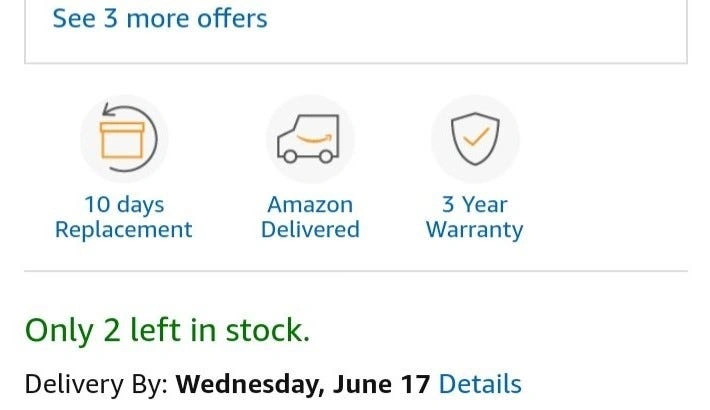
From the countdown timers, limited time discounts to the “only two left in stock”, FOMO marketing is used to push urgency and create a need in consumers. It’s not just about missing a product; it’s about missing a belonging.
Brand Examples That Use FOMO
Coca-Cola’s “Share a Coke” campaign with personalised coke bottles encourage timely sharing and engagement, invoking FOMO through social connection. Amazon constantly use “lightning deals” that force you to decide or be in fear that you missed out on the best offer for this product.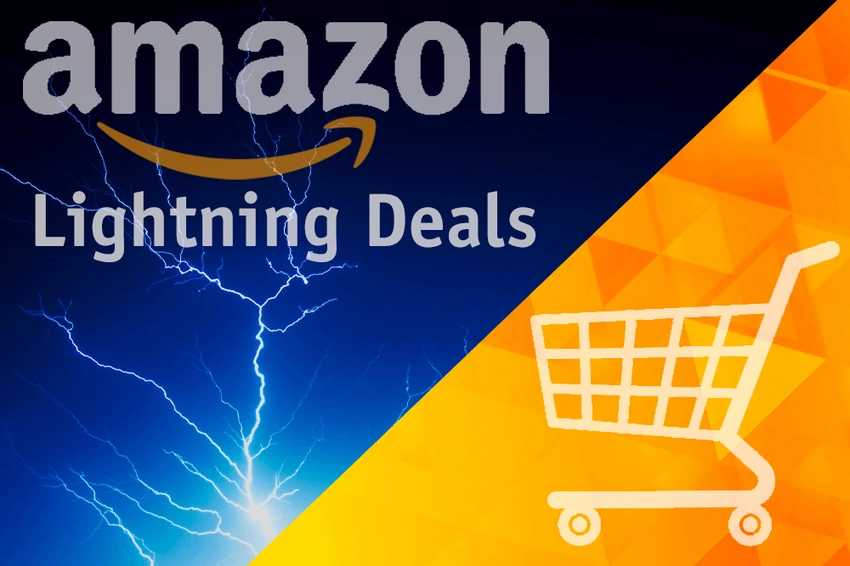
From Nykaa’s “Hot Pink Sale” to Zomato’s countdown-based festival offers, these campaigns weaponize anticipation and urgency to create short-term spikes in revenue.
Influencers only deepen the cycle by turning consumption into a culture. Studies show that influencer-driven FOMO is one of the most effective sales driver across Gen Z and millennial audiences. When influencers endorse certain products, they tend to create a need that makes people feel like they are missing out.
The Psychological and Cultural Impact
This overuse of FOMO marketing can lead to overconsumption and create financial issues for younger people and even lead to debt, anxiety and buyer’s remorse.
Ultimately, the FOMO economy reflects a culture addicted to immediacy. Brands thrive by selling scarcity, not just of products but of experiences, status, and time. And while consumers keep chasing the next alert, the irony is clear: in trying not to miss out, we’ve built an economy where we’re rarely ever satisfied.

Login to comment.
No thots yet. Be the first to share your thoughts!