Indie Filmmakers Unite for Fair Screen Access After Agra’s Limited Release

Indie Filmmakers Unite for Fair Screen Access After Agra’s Limited Release
46 Indian indie filmmakers demand fair theatre access as Agra struggles with limited screenings, highlighting a wider bias in Indian cinema.
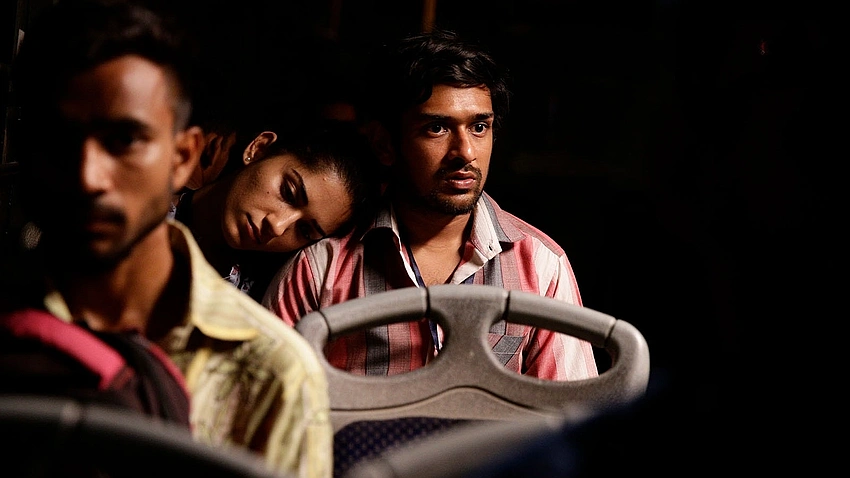
Over the past decade, Indian independent cinema has carried the country’s creative identity to the world, premiering at Cannes, Venice, Berlin, Sundance, Locarno, Rotterdam and Busan. These films have expanded what Indian stories can be and have been celebrated globally for honesty, courage, and craft. Yet, within India, these films continue to fight simply to be seen. This reality has resurfaced sharply with the limited release of Agra, directed by Kanu Behl. The film, acclaimed internationally and awarded at festivals, has struggled to secure fair and accessible showtimes across multiplexes despite significant audience interest, extensive media coverage, and organic buzz. This is not about one film; it is part of a long‑standing pattern that affects all independent cinema in the country.
Small and mid‑budget films across languages routinely face severely limited screenings, morning‑only or weekday‑only slots, sudden show cancellations, a lack of transparency around programming decisions, and an imbalanced prioritisation of big‑budget releases. The problem has grown as streaming platforms, once hailed as a democratic frontier, increasingly rely on theatrical performance as a prerequisite for acquisition. This creates a closed‑loop ecosystem where independent films are asked to prove themselves in theatres while simultaneously being denied theatrical access. This is unsustainable. This is shrinking India’s cultural space. We are not demanding exceptional treatment; we are demanding fair access.
To this end, 46 prominent Indian independent filmmakers issued a joint statement calling for equitable theatrical opportunities for indie cinema. They argue that fair access would not only benefit filmmakers but also audiences who crave diverse voices and stories across languages. The move is a direct challenge to cinema chains, distributors, and OTT platforms to rethink how programming decisions are made and to implement transparent, consistent policies that ensure indie titles get genuine, wide exposure rather than token or scattered slots.
The industry faces a crossroads: continue with a system that privileges marquee releases or embrace a more inclusive approach that recognises the value of independent storytelling. Agra’s release, coming after Cannes selection, has sparked renewed debate about how films with global appeal can reach domestic audiences. If these filmmakers succeed in changing screens, it could mark a shift toward a healthier ecosystem where creativity and accessibility go hand in hand.
Cover image source: As Kanu Behl’s Agra struggles for screens, 46 filmmakers unite, demand fair access to theatres for indie films 🔗
