Netanyahu Pushes Back as Trump's Gaza Board Sparks Israeli Objections

Netanyahu Pushes Back as Trump's Gaza Board Sparks Israeli Objections
Israel's prime minister challenges Washington's Gaza governance plan, citing coordination gaps and a controversial lineup that includes Turkey's minister, as global leaders weigh the board's future.
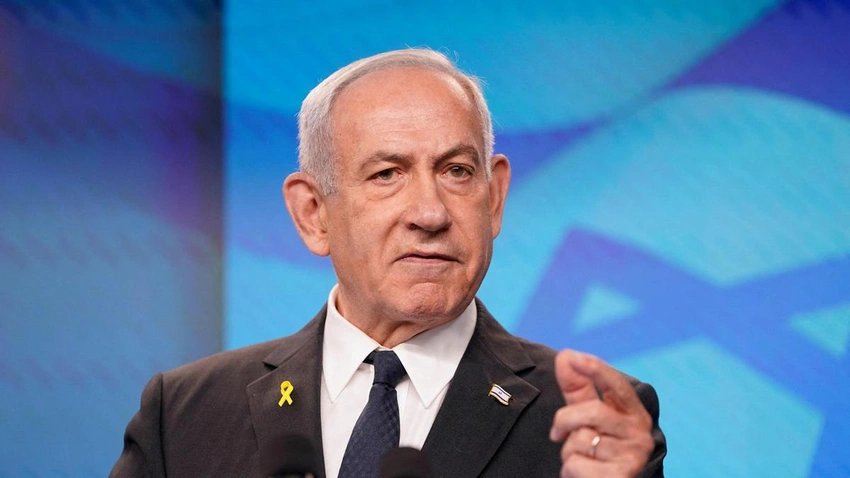
In a development that underscores tension over Washington's Gaza governance plan, Israel's prime minister publicly criticized the newly proposed Gaza Executive Board, saying there was a lack of coordination and raising concerns about the board's makeup, which included Turkey's foreign minister. He directed his foreign minister to press the issue with the US secretary of state, marking a rare public clash with the White House over the composition of the panel.
Separately, reports from major outlets noted that the board would include prominent figures such as Jared Kushner, Marco Rubio, and Blair, stirring debate about how the panel will operate in Gaza’s complex political landscape. Israeli officials have voiced objections to the inclusion of diplomats from Turkey and Qatar, arguing the lineup could complicate efforts to safeguard Israeli interests and possibly affect Hamas-related dynamics on the ground.
Support for the plan among many world leaders remains, with officials framing the board as a path to a structured governance process for Gaza. Yet in Jerusalem, the pushback reveals how regional sensitivities and long-standing rivalries influence perceptions of the plan’s legitimacy and effectiveness. The balancing act between international backing and local concerns remains delicate and highly scrutinized.
Analysts say the dispute highlights the fragility of a policy built on cooperation between Washington and its partners, and the risk that strong objections from key players could stall progress. As events unfold, observers say the coming weeks will test whether the Gaza Executive Board can secure broad support and avoid undermining the broader peace effort while addressing urgent humanitarian and security needs.
This moment in the Gaza governance debate captures a larger question: can a unified international framework succeed without consensus among pivotal actors in the region?
