The $10,000 Safari: Does Extreme Luxury Save Nature or Just Wall It Off?

The $10,000 Safari: Does Extreme Luxury Save Nature or Just Wall It Off?
As Mantis Hiddn opens in Addo, we ask: is five-star exclusivity the only way to fund conservation, or are we turning nature into a gated community for the 1 percent?
The Gilded Cage of Conservation
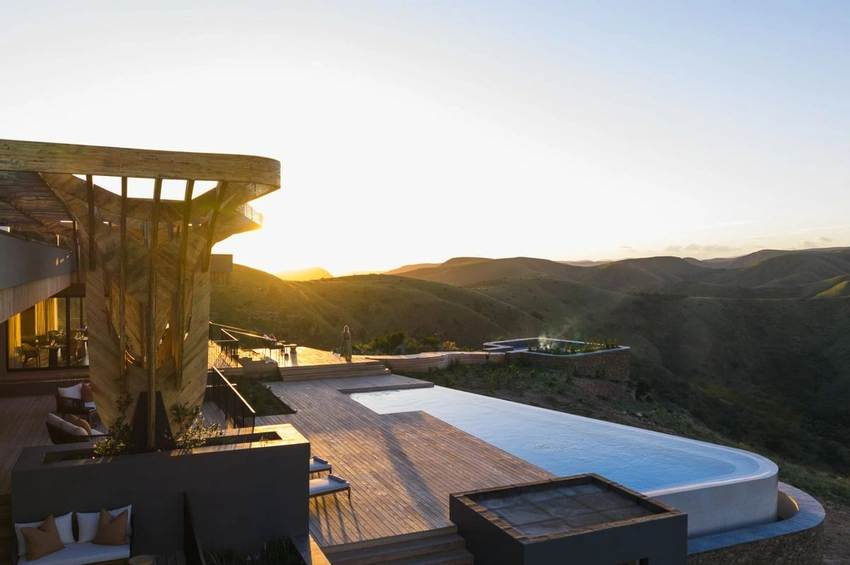
The ink is barely dry on the guest registry at Mantis Hiddn, a new ultra-luxury lodge tucked away in the sprawling landscapes of Addo, South Africa. Dylan Jones has claimed the title of the first-ever guest, marking the inauguration of yet another exclusive enclave in the world of high-end African travel. The images are predictably stunning. There is the requisite blend of rustic aesthetics and modern comfort, the promise of silence, and the allure of untamed wilderness just outside the window. Yet, as we scroll through the glossy coverage of this latest opening, a familiar and uncomfortable question rises like dust from a game drive vehicle. Is this conservation, or is it merely colonialism with a better thread count?
The High-Value, Low-Volume Argument
Proponents of the ultra-luxury safari model rely on a specific economic equation known as high value, low volume. The logic is straightforward and, on paper, compelling. By charging exorbitant rates to a handful of wealthy patrons, reserves can fund anti-poaching units, habitat restoration, and veterinary care without overcrowding the ecosystem with mass tourism. One billionaire paying twenty thousand dollars for a weekend leaves a smaller carbon footprint than two hundred backpackers spending the same amount.
There is truth to this. Protecting rhinos and elephants is an expensive war. Fences, drones, and rangers require capital that cash-strapped governments often cannot provide. In this vacuum, the private sector steps in, turning biodiversity into a premium asset class. If the survival of the African elephant depends on the discretionary spending of the global elite, then perhaps we should swallow our distaste for inequality and pour the champagne. However, this transactional view of nature comes with a heavy social price tag.
Nature as a VIP Lounge
The trouble begins when we accept that the only way to save a heritage as universal as the natural world is to privatize it. When lodges like Mantis Hiddn open, they often do so with promises of community upliftment. They speak of jobs and local sourcing. Yet, the systemic result is often the creation of green bubbles where wildlife thrives for the viewing pleasure of the few, while local communities remain on the outside looking in.
This dynamic creates a psychological and physical barrier. For the local population living on the fringes of these parks, the lion and the elephant become symbols of exclusion rather than national pride. They become the property of the tourists. When a local resident cannot afford to enter the park that neighbors their home, but a visitor from London or New York can fly in to sip gin and tonic while watching the sunset, the message is stark. Nature belongs to those who can pay for it.
The Optics of Inequality
We are living in an era of staggering wealth disparity. Seeing this inequality played out against the backdrop of raw survival in the animal kingdom adds a layer of irony that is hard to ignore. There is something jarring about the juxtaposition of extreme pampering and the brutal realities of the wilderness. It suggests that humans are no longer observers of the wild but masters of it, observing safely from a climate-controlled distance.
Furthermore, the reliance on luxury tourism makes conservation vulnerable. We saw this during the pandemic. When the planes stopped and the wealthy stayed home, the funding for these private reserves evaporated overnight. A conservation model built entirely on the whims of the one percent is not sustainable resilience. It is a fragile luxury good.
A Necessary Evil?
Perhaps it is too easy to criticize from the sidelines. Until global governments prioritize environmental protection in their national budgets, or until the world creates a mechanism to pay countries for maintaining their biodiversity, the tourist dollar remains the lifeblood of these parks. Places like Mantis Hiddn are filling a void.
However, we must stop romanticizing this model as a perfect solution. It is a stopgap. It is a band-aid made of silk. If the only way we can envision saving the planet is by turning it into a playground for the super-rich, we have failed to imagine a truly sustainable future. We need to demand a form of tourism that integrates, rather than segregates. We need conservation that invites the world in, rather than walling it off. Until then, we can admire the architecture of the new lodges, but we should not mistake exclusivity for salvation.
