Beyond the Blueprints: O’Herlihy’s Legacy in Affordable Urban Design

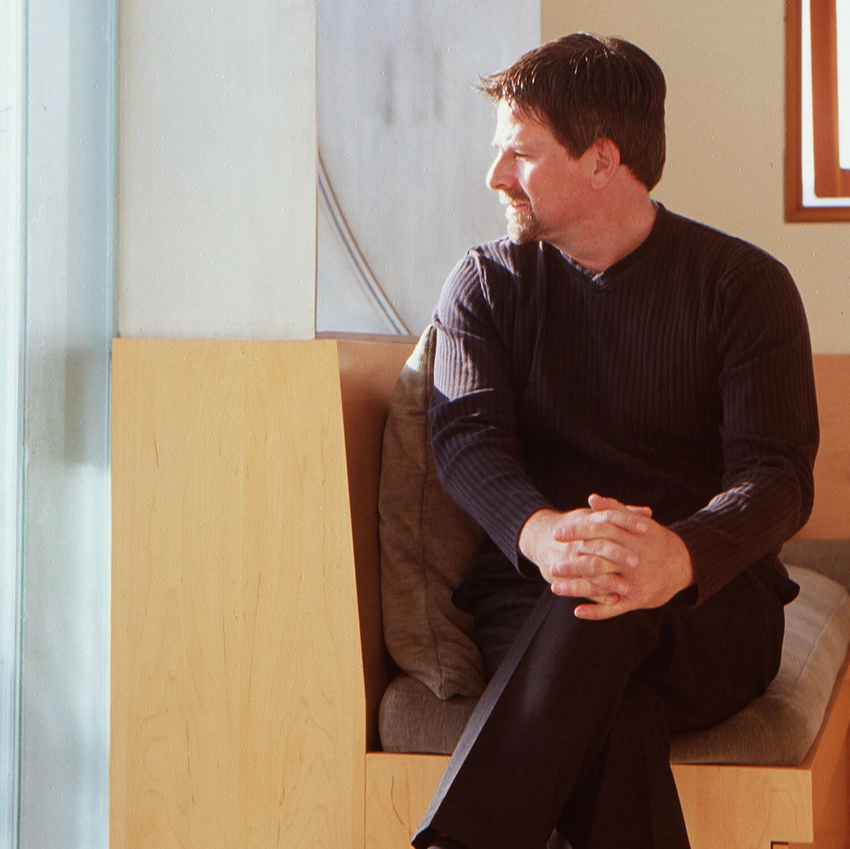
Beyond the Blueprints: O’Herlihy’s Legacy in Affordable Urban Design
Discover how architect Lorcan O’Herlihy transformed urban living by championing affordable housing as a 'social act,' proving great design doesn't have to break the bank.
When we talk about urban development, the conversation often centers on grand, aesthetic statements or luxury living. But a true visionary like Lorcan O’Herlihy understood that architecture, at its core, is a “social act.” His recent passing at 66 leaves a void, but his impactful philosophy on urban housing continues to inspire a crucial dialogue: how do we build smarter, more equitable cities?
O'Herlihy wasn't just designing buildings; he was crafting communities, fostering inclusivity, and redefining what affordable urban living could look like. His approach was revolutionary, especially in a city like Los Angeles, where housing affordability is a persistent challenge. He actively challenged the notion that high-quality, innovative design was exclusively for the affluent.
Instead, he championed the idea that thoughtful, well-designed homes were a right, not a privilege.
His work on small lots in Los Angeles exemplifies this. Rather than succumb to the pressure of maximizing profit through large, uniform developments, O'Herlihy masterfully navigated existing urban fabric. He proved that even on constrained parcels of land, it's possible to create vibrant, livable spaces that contribute positively to the neighborhood character.
It was about intelligent density, careful consideration of light and air, and fostering a sense of belonging among residents.
Why 'Social Act' Architecture Matters
For O’Herlihy, the “social act” meant a commitment to:
- Accessibility: Making good design available to a broader segment of the population.
- Community Integration: Designing buildings that enhance their surroundings and connect residents to the wider urban environment.
- Sustainability: Employing innovative techniques not just for environmental benefit, but for long-term affordability and livability.
- Challenging Norms: Pushing against conventional wisdom that often prioritizes profit over people.
His firm’s designs often incorporated creative solutions to common urban dilemmas, think shared courtyards that foster interaction, flexible living spaces that adapt to changing needs, or building orientations that maximize natural ventilation and light, reducing energy costs for residents. These weren’t just architectural flourishes; they were fundamental elements of equitable design, aimed at improving the quality of life for those who would call these places home.
O'Herlihy's legacy is a powerful reminder that architecture extends far beyond aesthetics.
It's a tool for social change, a means to address pressing societal needs, and a canvas for innovation that can genuinely improve lives. His relentless pursuit of smarter, more equitable design for affordable homes, not just in Los Angeles but elsewhere, set a benchmark for architects and urban planners worldwide.
He showed us that the true measure of great architecture lies in its ability to serve humanity, proving that impactful design can, and should, be within everyone's reach.
