No 'Snowflake Generation': Youth Mental Health Crisis Deepens, NHS 'Not Fit For Purpose'

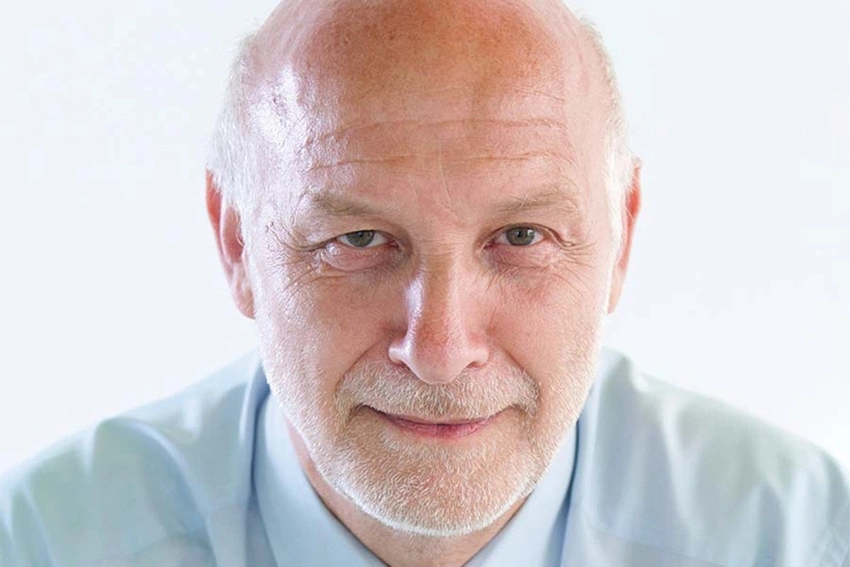
No 'Snowflake Generation': Youth Mental Health Crisis Deepens, NHS 'Not Fit For Purpose'
Forget 'snowflake'! A new review reveals young people face unprecedented mental health challenges. Prof. Peter Fonagy says the NHS isn't coping. What's driving this crisis?
The idea that today's youth are a 'snowflake generation' has been firmly rejected by Professor Peter Fonagy, the lead author of a significant upcoming review into mental health. Professor Fonagy, speaking ahead of the government-commissioned report on ADHD, autism, and mental health, stated unequivocally that "it's harder to be young now."
He highlighted a genuine increase in mental health challenges among young people and stressed the urgent need for improved support. According to Professor Fonagy, the NHS is currently "not fit for purpose," with an alarming number of young individuals facing extensive delays on waiting lists for crucial mental health care.
His findings are set to reveal a clear surge in mental health conditions affecting children and young people, with approximately one in four 16 to 24-year-olds presently struggling. Fonagy expressed deep empathy, noting,
They are a generation that has real serious challenges that I would not wish to have had when I was their age.
He added, "Adults have let them down.
We're the first generation that probably collectively feels we had a better life than our children will have.
So, to the person who says it's a snowflake generation, just try living 24 hours as a 16-year-old."
Professor Fonagy praised the resilience of young people, remarking,
I'm in awe of the way they have adjusted to an environment that is far more difficult than I ever had to face.
He also sent a direct message to young individuals: "I want young people to hear that when they feel anxious, depressed or distressed, that it's a real problem, but a problem we can do something about. When I needed help, I got it. I want everyone to have that chance."
The forthcoming study will also reportedly show an increase in youth loneliness over the past two decades, attributing this worrying trend to growing reliance on mobile phones and social media. Professor Fonagy chose to speak publicly before the report's release to contribute to ongoing discussions surrounding conditions like autism and ADHD, particularly following a survey indicating that many GPs believe ADHD is "overdiagnosed." His remarks underscore a pressing call for societal recognition and systemic change to better support the mental well-being of the younger generation.
