U.S.-Iran Talks Stall in Islamabad After 21 Hours of Talks

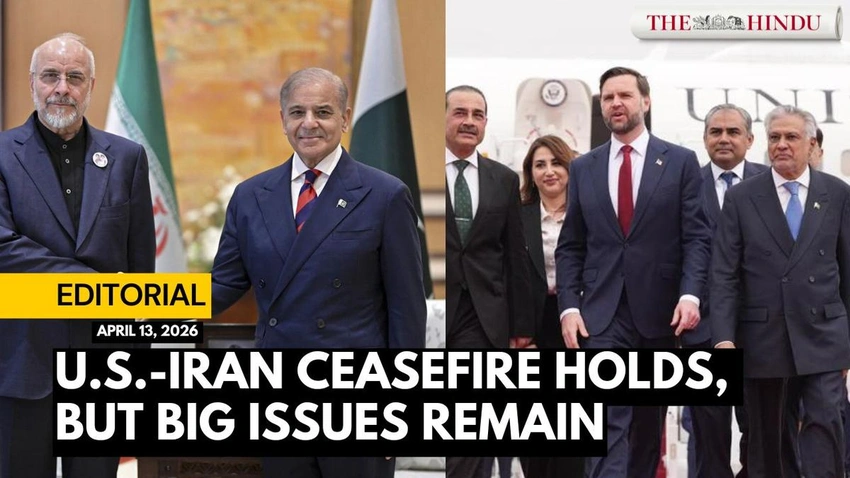
U.S.-Iran Talks Stall in Islamabad After 21 Hours of Talks
U.S. and Iran end 21 hours of talks in Islamabad with no breakthrough; both sides say work remains, while pressures on negotiators mount.
In Islamabad, the latest round of talks between the United States and Iran stretched for 21 hours and ended without a breakthrough, underscoring how high the stakes are as negotiators pursue a path forward on a fragile ceasefire and a host of strategic differences. The encounter marked the first direct engagement between Washington and Tehran since 1979, a milestone many observers said was as important for process as for any concrete concession. The sessions left many questions unanswered, including where and when any future talks would take place, even as both sides signaled a willingness to keep negotiating in search of a viable path ahead.
A US official said that venue and timing had not been decided, highlighting the ongoing uncertainty that has characterized the talks since they resumed in recent weeks. The absence of a firm schedule suggested that negotiators remain cautious, testing diplomatic channels in a bid to avert a broader crisis while managing domestic and regional pressures.
Iran’s envoy Mohammad Fathali characterized the talks as a test of will, saying the U.S. side had made “unlawful” demands during the discussions that contributed to the lack of results. The tone from Tehran underscored remaining distrust and a perception that demands of the other side could derail any real progress.
Across the subcontinent, the debate over the next steps intensified after reports that Iran was prepared for another round of negotiations—and that all options, including war, remained on the table depending on how the talks proceeded. The stark framing reflected a wider mood among observers: that the ceasefire holds for now, but the core issues—nuclear assurances, regional posture, sanctions, and security guarantees—remain unresolved and potentially volatile if talks stall again.
Analysts cautioned that a breakthrough would require concessions and assurances that address both sides’ red lines, along with credible mechanisms for verification and enforcement. Yet even as the clock ticks, many stressed that continued dialogue is essential to prevent a slide toward renewed hostility. Participants and watchers alike say the next round could prove decisive if negotiators can translate talk into tangible steps toward stability and mutual interest.
