Indonesia train crash near Bekasi leaves seven dead, 80+ injured

Indonesia train crash near Bekasi leaves seven dead, 80+ injured
Deadly train collision near Bekasi leaves seven dead and over 80 injured as rescuers race to reach passengers; investigators probe the crash.
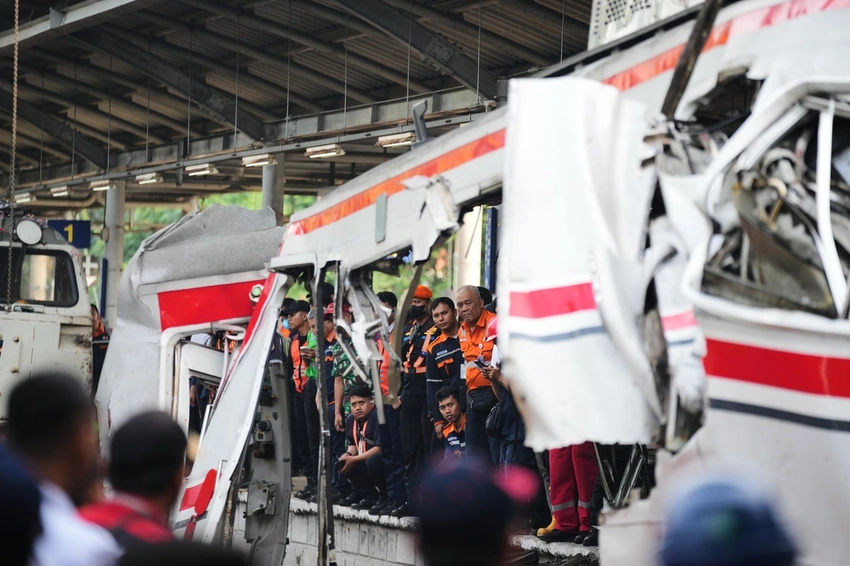
A deadly train collision near Bekasi, just east of Jakarta, has left a number of people dead and more than 80 injured, according to early reports. Initial tallies pointed to seven deaths with over 80 people wounded as rescue teams sprinted to the wreckage. Emergency crews were seen at the scene as trains on the line were halted and a rapid response was mounted to sift through the debris.
Rescuers battled to reach passengers trapped in damaged cars, using cutters and stretchers as they worked through the wreckage. The exact cause of the collision was not immediately clear, and authorities said a formal safety investigation would follow. Witnesses described chaotic scenes, with carriages piled and people rushing to help friends and strangers alike as responders worked through the night.
Rail operators suspended services on the line while investigators looked into signals, speeds, and track conditions. The disruption affected commuters across the Jakarta area and sparked calls for a thorough review of railway safety. Hospitals were placed on alert as injured passengers were taken to nearby facilities for treatment, with officials promising timely updates as the situation evolved.
Rescuers and hospital staff urged families to head to nearby facilities for updates, while officials pledged transparent communication as they piece together what happened. The National Transportation Safety Committee is guiding the inquiry, with teams expected to examine the rolling stock, signaling systems, and maintenance records to determine the root cause and prevent a repeat.
Officials emphasized that investigations can take time and that safety protocols would be scrutinized to prevent future tragedies. Communities in the Jakarta area are watching closely as authorities work to determine what went wrong and how to improve rail safety moving forward.
