Your Viral Meme Is Not a Corporate Billboard: Why We Must Protect Creator Rights

Your Viral Meme Is Not a Corporate Billboard: Why We Must Protect Creator Rights
Think viral memes are free for all? Think again. As AI startups hijack iconic art for ads, it is time to fight for the digital rights of the creators who make the internet worth browsing.
Your Viral Meme Is Not a Corporate Billboard
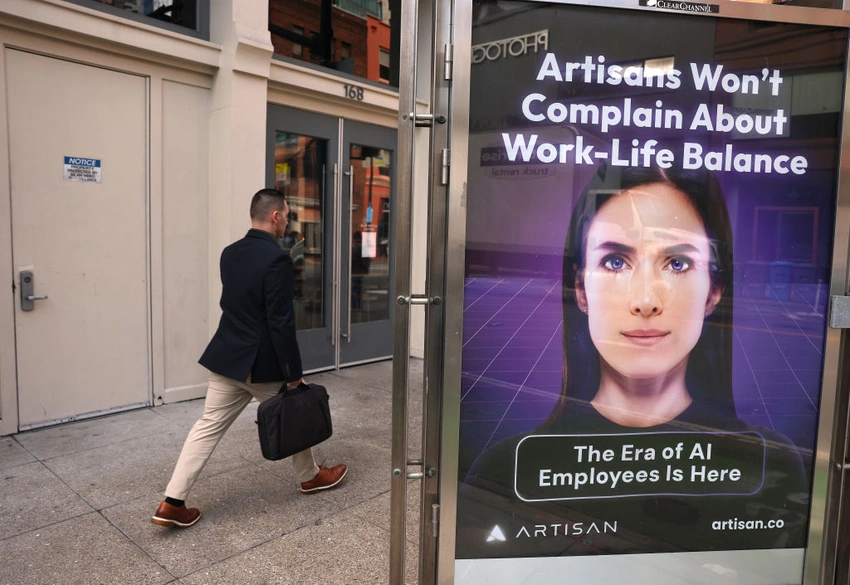
We have all seen the dog. He sits at a table, surrounded by roaring flames, calmly sipping coffee while the world turns into an inferno. It is the ultimate mascot for the modern age. However, a recent incident involving an AI startup proves that some corporations think this iconic image is theirs to take for free. They swapped out the famous caption to sell a software product, slapped it on city subways, and acted like it was just another day in the office.
This is the exhausting reality for creators in the AI era. The line between internet culture and corporate intellectual property is being blurred by companies that treat the web like a free resource buffet.
The Myth of the Public Domain
There is a common, dangerous misconception that once a piece of art goes viral, it belongs to the public. That is simply false. Behind every relatable comic strip or funny reaction image is a human being who invested time and talent to create it. Virality is a measure of success, not a waiver of ownership.
When a startup hijacks a meme for an ad campaign, they are not just sharing a joke. They are stealing cultural capital to generate profit. It is a predatory shortcut. Why bother hiring a creative team or paying for a proper license when you can just grab a screenshot and hope the artist does not notice?
Why the AI Connection Matters
It is particularly frustrating when AI firms are the culprits. Many of these companies are already facing criticism for training their models on unlicensed data. By using viral memes in their marketing, they are doubling down on a specific worldview: that human creativity is a raw material to be harvested rather than a career to be respected.
Standing Up for Artists
We must support creators who refuse to let their work be hijacked. When the artist behind the fire-dwelling dog fought back against a tech firm using his character to sell AI assistants, he won a victory for every independent creator.
We need to keep the pressure on for three main reasons:
- Consent is fundamental. If a business wants to use art to make money, they must ask first.
- Context matters. Artists should have the absolute right to decide which products or ideologies their work is associated with.
- Fair pay is essential. Exposure does not pay the rent, and a viral hit should be a blessing for an artist, not an invitation for corporate theft.
The internet should be a place where creativity is rewarded, not a hunting ground for corporate scavengers. If we want to keep enjoying the art that defines our culture, we have to protect the people who make it.
