Hormuz Flashpoint: Iran Warns UAE as Gulf Tensions Roil Oil Routes

Hormuz Flashpoint: Iran Warns UAE as Gulf Tensions Roil Oil Routes
Iran warns the UAE over attacks on Abu Musa and Tunb; Dubai incidents and a Trump ultimatum add to fears of a wider disruption to global oil routes.
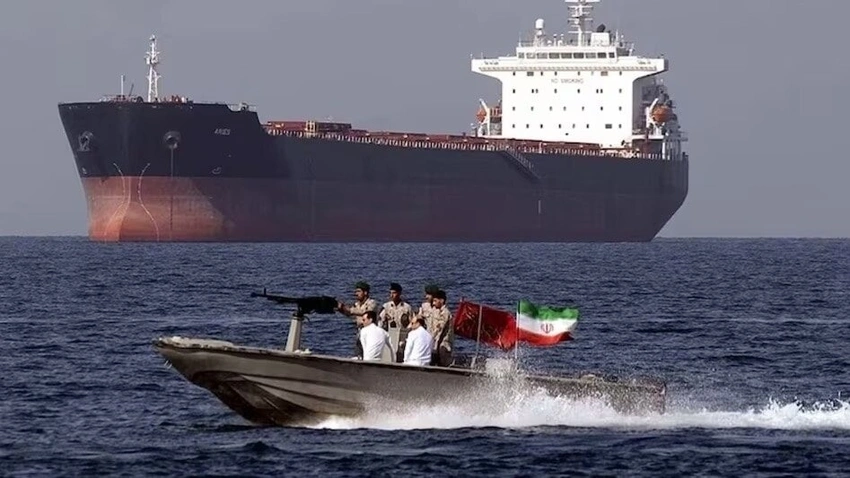
Tensions are escalating in the Strait of Hormuz as Iran issues a stern warning to the UAE against allowing its territory to be used for attacks on the Iranian-controlled islands of Abu Musa and Greater Tunb. The Strait remains a pivotal artery for global oil supplies, and the latest posturing by Tehran comes as a reminder that even a regional dispute can threaten energy security on a worldwide scale. Iran says it will mete out a strong retaliation against any source of attack, a line that foreign observers say could invite miscalculation if a misstep occurs in the crowded Gulf waters. While Gulf states publicly urge restraint, the rhetoric from Tehran has done little to calm markets or reassure traders who monitor tanker movements, insurance costs, and shipping routes through the Gulf.
On the strategic edge, Iran's Revolutionary Guard Corps has raised the stakes with a warning of a possible complete shutdown of the strait should U.S. pressure or attacks on energy infrastructure continue. The IRGC's message followed remarks from Washington that the strait must stay open, with a stark ultimatum that failure could trigger targeted strikes on hardening energy facilities across the region. Analysts caution that a permanent or temporary closure could send shockwaves through global markets, pushing prices higher and complicating supply chains that rely on the Hormuz corridor. The Trump administration has framed the moment as a test of Tehran's willingness to concede control over one of the world's most sensitive energy routes, while allies urge careful diplomacy to prevent a broader conflict.
Dubai has reportedly been the site of missile-related incidents that have intensified fears of a wider escalation, though Gulf partners deny involvement and blame remains contested. The contradictory narratives from regional players have done little to settle nerves in markets that already face volatility due to supply concerns. What is clear is that any disruption of the Hormuz choke point would ripple far beyond the Middle East, affecting refineries, shipping insurance, and the price of crude around the world. Governments and international organizations are calling for de-escalation and a return to dialogue, arguing that the costs of a wider confrontation would far outweigh any strategic gain.
With the clock ticking and the energy clock ticking louder, the situation remains precarious. Markets will stay on edge until there are visible steps toward de-escalation and confidence-building measures. Observers say the coming days will test both Tehran's calculus and Washington's approach to deterrence, while buyers and traders watch for tanker movements and statements from Gulf capitals. The overarching message: energy security is a shared global responsibility, and a managed, peaceful path through Hormuz is in everyone's interest.
