Is Gaming Nostalgia Holding Us Back, or Fueling Future Classics?

Is Gaming Nostalgia Holding Us Back, or Fueling Future Classics?
Exploring how retro remakes like Zelda feed our desire for childhood purity and whether looking backward stifles future gaming innovation.
We live in an era where the past is a comfort blanket. Every few months, another beloved title from our youth gets polished up, re-released, and sold back to us with higher resolution textures. A remake of a 28-year-old Nintendo video game delivers a comforting but mistaken dream of childhood's eternal purity.
It whispers that the best adventures have already been written, and all we need to do is replay them with better lighting. But we have to ask ourselves a hard question. Is gaming nostalgia holding us back, or is it secretly fueling future classics?
The Comfort of the Familiar
There is no denying the emotional pull of retro games. When we boot up a classic adventure, we are not just playing code. We are accessing a time capsule of our formative years.
Developers know this, and the industry leans heavily on the psychology of comfort. Remakes offer zero friction. They tap into muscle memory we built decades ago, letting us bypass the frustration of modern learning curves and steep challenges.
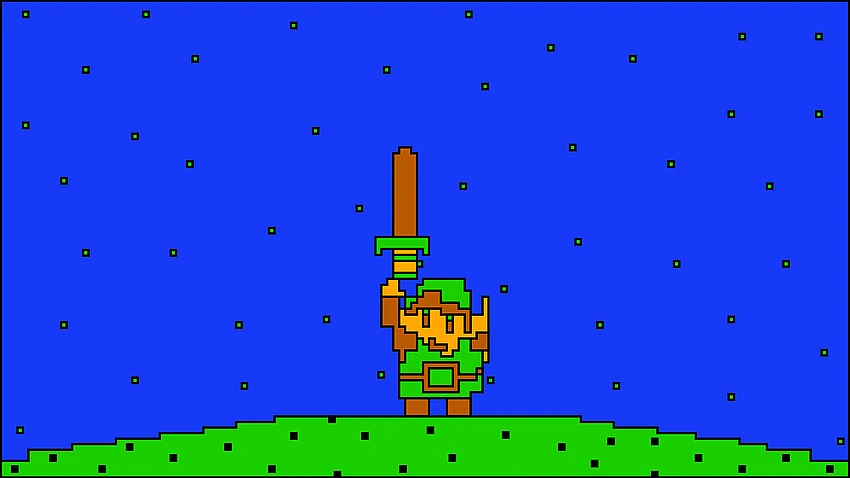
Yet, this obsession with pixel-for-pixel recreation creates a dangerous illusion. It frames childhood as an unblemished golden age, ignoring the fact that those old games were often constrained by severe hardware limitations. By treating these titles as sacred artifacts, we risk turning the medium into a museum of nostalgia rather than a living laboratory of new ideas.
Nostalgia as a Stepping Stone
On the flip side, looking backward is not inherently evil. History provides the vocabulary for future innovation. Many of the indie developers pushing boundaries today learned their craft by dissecting the design philosophies of the 1990s.
When used as a foundation rather than a crutch, nostalgia can inspire mechanics that feel both wonderfully retro and shockingly fresh.
The problem arises when nostalgia becomes a corporate safety net. When publishers realize they can make risk-free millions by remastering past glories, the incentive to fund risky, unproven concepts plummets. We see a landscape dominated by sequels, reboots, and remasters, starving truly original visions of the oxygen they need to survive.
Time to Move Forward or Just Press Start Again?
Gaming has always been defined by its forward momentum. Every generation of hardware brought seismic shifts in storytelling, immersion, and interactivity. If we spend all our time polishing the ghosts of yesteryear, we risk missing out on the masterpieces of tomorrow.
Remakes offer comfort, but they cannot replace the thrill of discovering something entirely unprecedented.
It is time for both players and creators to balance the warmth of memory with the courage of invention. Let us cherish our old save files, but let us demand new worlds to conquer.

Login to comment.