CIA Chief Visits Havana Amid Cuba's Oil Crisis

CIA Chief Visits Havana Amid Cuba's Oil Crisis
CIA chief's Havana trip signals potential diplomatic shifts as Cuba faces an oil shortage and rolling outages under sanctions.
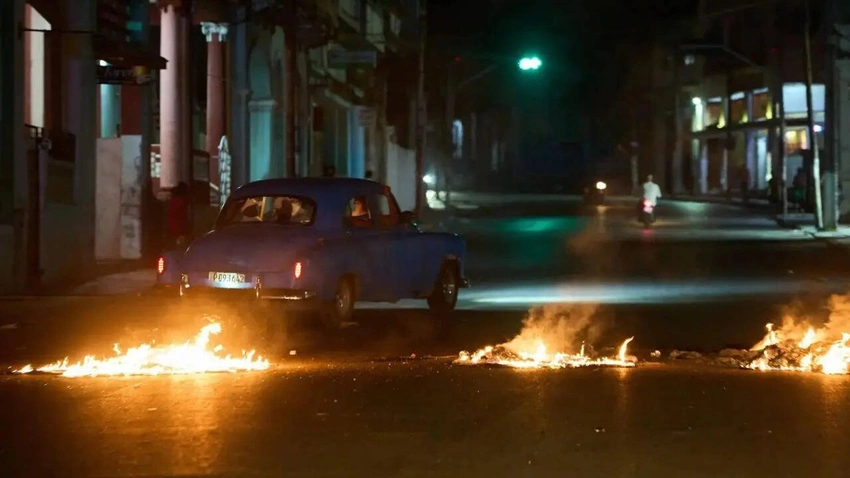
In Havana, the CIA director's visit on May 15, 2026, marked a rare high-level exchange as Washington looks to manage a volatile relationship with Havana while the island faces an acute energy squeeze. The trip comes as Cuba reports it has run out of diesel and fuel oil, intensifying power outages that have plagued homes and factories amid a tightening sanctions regime. Officials said only a single Russian tanker has managed to deliver fuel recently, underscoring the severity of the blockade’s impact. Energy Minister Vicente de la O Levy told state television that the blockade has caused substantial hardship, and that the country is still not receiving the fuel it needs to keep the lights on and industries running.
Photos released by the CIA on X showed John Ratcliffe meeting with Ramon Romero Curbelo, chief of the interior ministry’s intelligence directorate, along with other Cuban officials. The Cuban government framed the talks as part of a broader effort to calm tensions and “contribute to the political dialogue between both nations,” signaling a willingness to engage despite decades of friction.
Analysts note that the visit arrives amid a flurry of competing signals in Washington. While some U.S. officials have floated ideas that could ease pressure on Havana, others have spoken of harsher measures or even punitive actions against senior Cuban leaders. Reports circulating in U.S. media described discussions about potential indictments of Raul Castro and other hard-line options, though Cuba has consistently portrayed the United States as the aggressor in an ongoing energy and political standoff. The Cuban side has repeatedly argued that its security does not pose a threat to U.S. national interests and that dialogue remains the only viable path forward.
Beyond the diplomatic theater, Cuba has shown a degree of openness to limited external assistance. The government indicated it would hear details on a proposed U.S. aid package—circulated as up to $100 million with conditions—designed to address the fuel shortage. While Havana stops short of declaring victory, officials say discussions of aid could become a litmus test for whether Washington is ready to take concrete steps toward easing some pressures.
In the meantime, Cuba’s energy crisis highlights the limits of diplomacy without practical relief on the fuel front. The CIA visit underscores a recognition—at least at the upper echelons of power—that dialogue may be essential to stabilizing a relationship that has long been defined by suspicion. If the talks translate into tangible steps that relieve the blockade’s effects, the encounter could signify a cautiously hopeful if fragile, turn in U.S.-Cuba relations.
