Why Your Favorite Pop Stars Often Fail on the Big Screen

Why Your Favorite Pop Stars Often Fail on the Big Screen
Charli XCX admits the musician-to-actor pipeline is inherently cringe. Can a pop star ever truly master the silver screen without it feeling like a vanity project?
The Cringe Factor of the Pop-to-Cinema Pipeline
We have all seen it happen. A chart-topping artist decides they need an Oscar to go with their Grammys, and suddenly, we are subjected to ninety minutes of awkward line delivery and distracting star power. The transition from the recording booth to the film set is a path littered with projects that felt more like brand extensions than actual cinema. Charli XCX recently admitted that this move is inherently cringe, and honestly, she is right.
When a musician enters a movie, they often bring a massive ego and a lack of formal training. This creates a disconnect for the audience. We do not see a character; we see a pop star playing dress-up. For every Lady Gaga in A Star Is Born, there are a dozen projects that vanish into the bargain bin of history. The problem usually stems from stars wanting to be the lead before they have learned how to be an extra.
The Charli XCX Method: A Different Approach
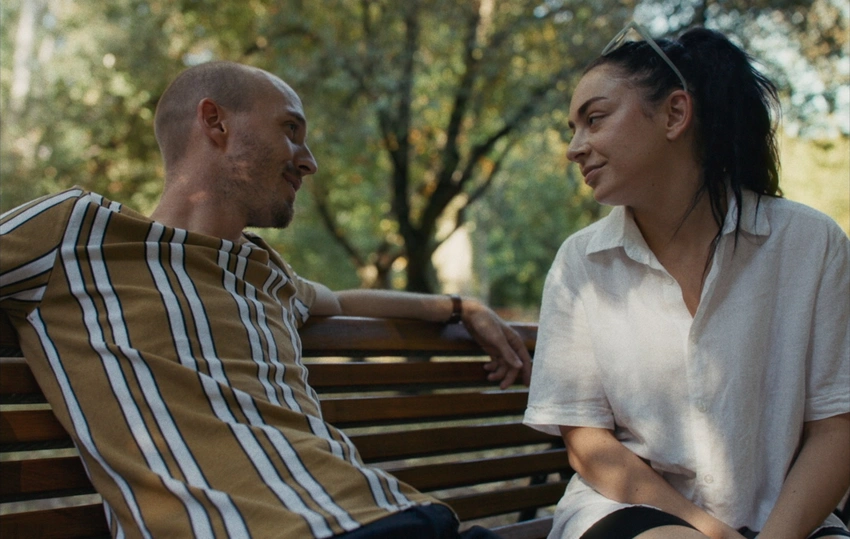
However, the strategy behind the new drama Erupcja suggests there might be a way to beat the stereotype. Instead of demanding a blockbuster role, Charli XCX chose a collaborative, almost theatrical process. By focusing on a smaller, more intimate production and even helping write the script during filming, she is treating acting as a craft rather than a conquest.
This approach is refreshing because it values the art of storytelling over the scale of the production. When musicians sit back and learn from the process, they avoid the pitfalls of the traditional vanity project. They become part of an ensemble rather than a distraction. This humility is rare in an industry that rewards constant visibility and dominance.
Can the Stereotype Be Broken?
To truly beat the cringe label, a pop star must be willing to disappear. The most successful transitions, like those of David Bowie or Jennifer Hudson, happened because they respected the medium. They did not just bring their stage persona to the screen; they built something new.
Charli is correct that the pipeline is awkward, but her willingness to be a student of the game might be the antidote. If more artists followed this lead, grabbing a camera and working spontaneously with friends instead of chasing high-budget spectacles, we might finally see the end of the musician-to-actor stigma. Until then, we should probably keep our expectations grounded and our eyes peeled for the next genuinely brave performance.
