Taylor Swift Trademarks Voice and Image to Fight AI Deepfakes

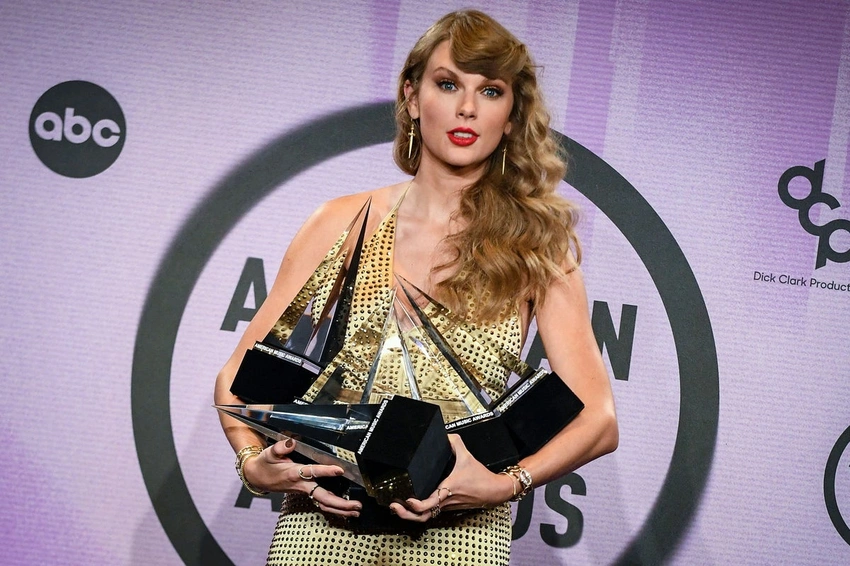
Taylor Swift Trademarks Voice and Image to Fight AI Deepfakes
Taylor Swift has filed to trademark her voice and image to shield against AI deepfakes, joining a growing push by celebrities to protect digital likenesses.
Taylor Swift has filed to trademark her voice and likeness in what observers describe as a proactive move to guard against AI-generated impersonations. The filings include at least one photo and two audio clips, signaling an intent to control how her voice and appearance are used in synthetic media. As AI tools become more capable of mimicking real individuals, rights holders are increasingly seeking formal protections to prevent misrepresentation and unauthorized use.
This development fits into a broader industry trend where celebrities pursue intellectual property protections for digital personas. By securing trademarks on voice and likeness, artists aim to set clear boundaries for licensing, endorsements, and other commercial uses in a landscape where synthetic media can blur the line between real and generated content.
The move is noted as similar to a prior filing by actor Matthew McConaughey, underscoring a growing pattern among high-profile stars to protect their iconic sounds and appearances as technology advances. Industry observers say such filings can influence how platforms and media companies license or refuse to use synthesized representations, potentially shaping how AI models are trained and deployed.
Legal experts caution that enforcing these rights across global platforms and streaming services will be complex, but the filings nonetheless establish a reference point for disputes over celebrity likeness in the digital age. For fans and the public, the filings highlight a shift toward accountability and control over how a persona is portrayed when AI is involved.
