China's economy now rivals the U.S., as Beijing expands its diplomatic clout

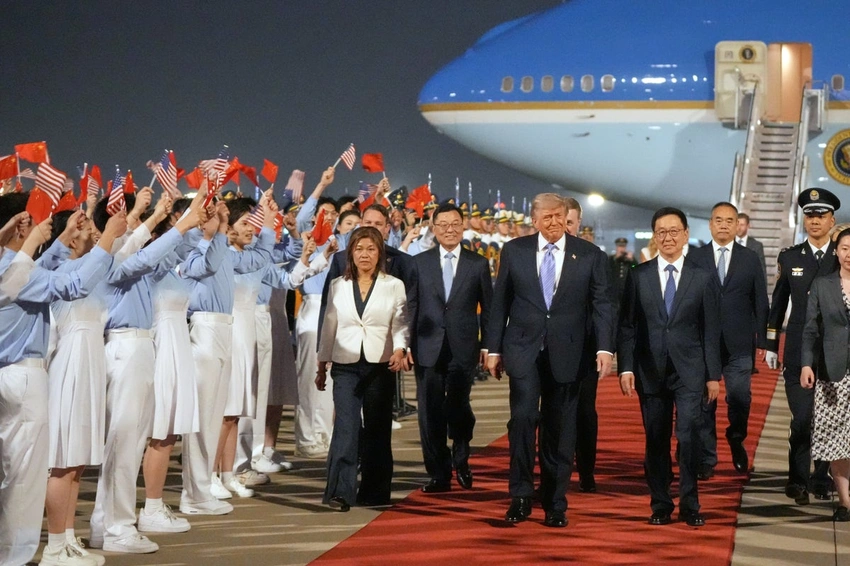
China's economy now rivals the U.S., as Beijing expands its diplomatic clout
Beijing's growing economic strength fuels a broader diplomatic push, reshaping the U.S.-China relationship and global power dynamics.
Beijing’s economy has surged in recent years, narrowing the gap with the United States on a range of indicators and signaling a structural shift in the global balance of power. Trade, manufacturing, and consumer markets have all strengthened, giving Beijing the financial heft to push diplomacy as well as growth.
Beijing is not just about numbers—it’s about diplomacy. The country has stepped up its role in international forums, investing in infrastructure across Asia and beyond, and using trade links to broaden its influence. Its economic reach now complements a more visible diplomatic footprint, from regional partnerships to participation in global governance forums.
The backdrop is a long, complicated U.S.-China relationship marked by tariffs, high-stakes talks, and strategic competition. Washington's past tariff actions targeted Chinese goods, while Beijing has responded with reciprocal measures, shaping a climate of wary cooperation. The evolving dynamic underscores a world where policy choices in Beijing and Washington ripple through markets, supply chains, and investors worldwide.
As both sides navigate this changing relationship, observers note that the outcome will influence technology, finance, and resource flows for years to come. The rise of Beijing as an economic and diplomatic force suggests a future where collaboration and competition coexist, and where economic strength translates into geopolitical influence.
Analysts say the trend matters for global markets and alliances, and will push countries to recalibrate strategies in trade, investment, and security to adapt to a multipolar era.
