Maliki denounces US interference as Trump threatens Iraqi aid

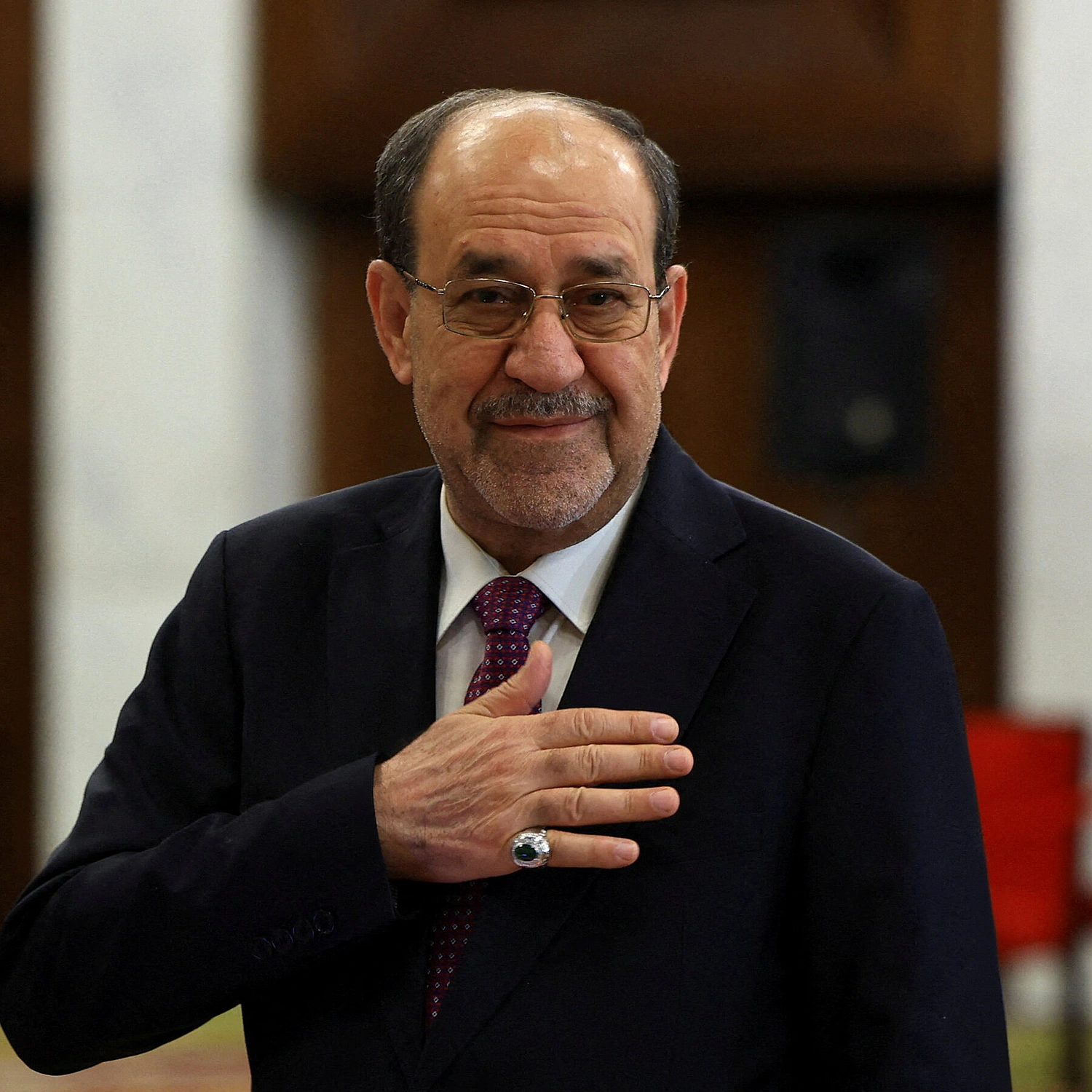
Maliki denounces US interference as Trump threatens Iraqi aid
Tensions rise in Iraq as former PM Maliki denounces perceived U.S. meddling after Trump warns of pulling support if he returns to power.
Iraq’s former prime minister Nouri al-Maliki has denounced what he calls blatant American interference in the country’s elections after a warning from Donald Trump that U.S. support could be withdrawn if Maliki returns to power. He argued that foreign meddling violates Iraq’s sovereignty, a claim that underscores the fragility of a political process already reshaped by recent electoral results. Maliki, deeply tied to the Coordination Framework, has been named as the bloc’s nominee to once again take the premiership, a move that heightens the competition among Shiite political forces ahead of a parliamentary vote.
Trump’s warning arrived amid a broader U.S. push for Iraq to distance itself from Iran and as Washington coordinates the transfer of Islamic State militants from detention sites in Syria to facilities in Iraq. The message has amplified fears that external powers could tilt Iraq’s political landscape while the country grapples with internal divisions and ongoing security concerns.
The Framework named Maliki after Mohammed Shia al-Sudani stepped aside earlier this month, a decision that cleared the field for Maliki within the bloc’s ranks. Al-Sudani’s retreat left Maliki in a position to unite the largest parliamentary bloc, but the path to the premiership remains fraught with rivalries and the delicate balance of influence among Iraq’s Shiite factions. A session of parliament to elect a new prime minister was expected to take place this week, with outcomes likely to influence Iraq’s stance toward the United States, Iran, and regional dynamics.
Analysts note that the current turmoil highlights Iraq’s struggle to preserve sovereignty while navigating powerful foreign interests and a volatile regional environment. The coming weeks will reveal how much leverage external actors truly hold over Iraq’s internal political process and how voters respond to these cross-cutting pressures.
