Trump pushes Dalilah's Law to curb licenses for undocumented drivers

Trump pushes Dalilah's Law to curb licenses for undocumented drivers
Trump proposes Dalilah's Law to bar states from issuing driver licenses to undocumented immigrants, citing safety after a 2024 Adelanto crash linked to an Indian-origin driver.
President Donald Trump used his 2026 State of the Union address to push a proposed measure often called Dalilah's Law, a bid to restrict the issuance of commercial driver licenses to undocumented immigrants. If enacted, the law would prohibit states from granting CDLs to people without lawful status, a move critics say could upend the livelihoods of thousands of truck drivers, many of them of Indian origin from Punjab and Haryana.
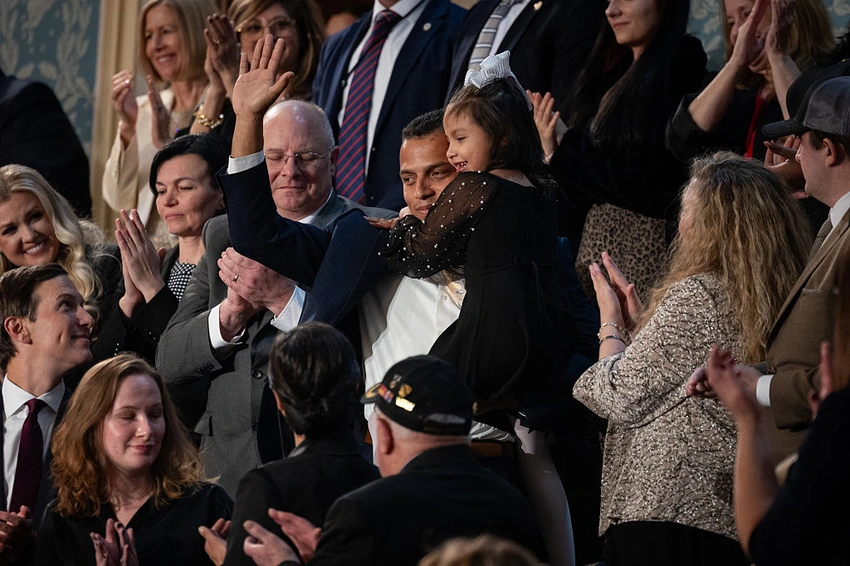
Named after Delilah Coleman, a child who suffered grievous injuries in a crash involving an Indian-origin truck driver in Adelanto, California, on June 20, 2024, the proposal has become a focal point in the broader immigration and road-safety debate. Coleman was five at the time of the crash and later described as a six-year-old girl by some accounts. She was airlifted in critical condition, endured a brain injury, skull fractures, and a prolonged coma before undergoing major medical procedures. Her injuries and recovery have become emblematic for supporters of tighter licensing rules.
Trump framed the policy as a matter of national safety, arguing that the government’s first duty is to protect citizens, not grant licenses to those without legal status. In remarks accompanying the proposal, he urged lawmakers to join a consolidated effort to keep states from issuing licenses to undocumented drivers, signaling a tougher stance on immigration and public safety.
Advocates for the measure say limiting licenses to documented workers would reduce unlicensed driving, improve road safety, and simplify enforcement. Critics, however, warn the plan could destabilize thousands of migrant families who depend on driving-related jobs and could disproportionately affect immigrant communities, including Indian-origin truck drivers and others who rely on licensing to work legally in the United States. Analysts note that licensing is traditionally a state responsibility, meaning any nationwide shift would require coordination across federal and state levels and careful consideration of exemptions for those already in the licensing process.
As the debate unfolds, the Adelanto incident continues to be cited in discussions about the balance between safety, immigration policy, and the economic realities faced by immigrant workers in the trucking industry.
