SCOTUS Blocks National Guard Deployment in Chicago

SCOTUS Blocks National Guard Deployment in Chicago
SCOTUS Blocks National Guard Deployment in Chicago
The Supreme Court blocks President Trump's bid to deploy National Guard troops in Chicago, signaling limits on federal authority amid tense security debates.
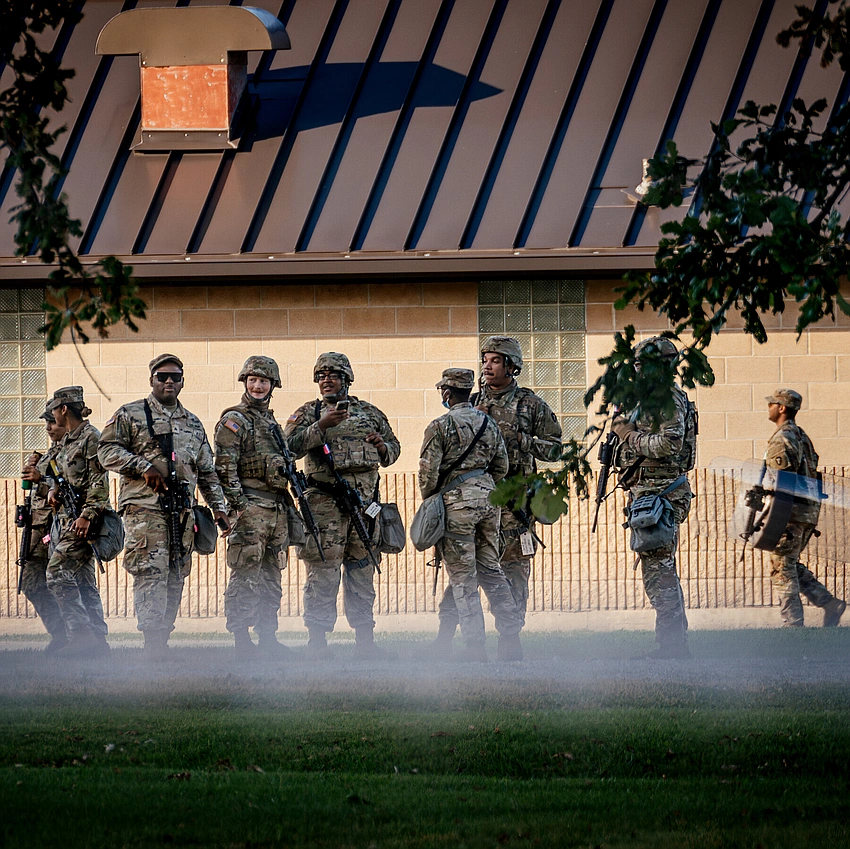
The Supreme Court blocked the deployment of National Guard troops to Chicago, signaling that federal authority to mobilize state-level forces in civil disturbances is not unlimited. The decision narrows the playbook for presidents seeking rapid responses to unrest and keeps crucial discretion in the hands of states and their governors. It arrives as part of a larger legal fight over how federal resources can be used in domestic crises, and the ruling leaves room for further litigation and interpretation.
In the broader set of arguments, President Trump pressed for guard deployments in several cities, including Portland and Los Angeles, prompting pushback from state and local officials who argued that such moves undermine state sovereignty and could escalate tensions. The court's action adds a judicial check to those efforts, ensuring that appeals and lawsuits can shape how quickly or widely the guard can be deployed and whether federal authorities overstep state boundaries.
Legal scholars said the decision centers on enduring constitutional questions about the balance of power between the executive branch and states, particularly in settings that blend security needs with civil liberties. While the court did not lay down a sweeping rule limiting all future activations, it signaled a cautious approach and emphasized the importance of clear statutory or regulatory framework for emergency authority.
For Chicago and other municipalities, the ruling means troop deployments will continue to be decided through state channels rather than by automatic federal action. Local leaders can prioritize security planning in collaboration with state authorities, while federal involvement remains constrained to cases approved through established processes rather than unilateral action.
Looking ahead, the dispute is unlikely to end with this ruling. Additional lawsuits, potential legislative tweaks, or new regulatory guidance could reshape how National Guard activations are authorized in the years ahead. As political debates intensify in an election cycle, security decisions and their legal underpinnings will remain a focal point for city officials, the public, and national leaders.
For Chicago, the decision reinforces a path toward more locally led responses to protests and emergencies, while preserving channels for federal support under strict oversight. This balance—between rapid response and constitutional guardrails—will likely guide how the city plans, communicates, and adapts in the months ahead.
