US Sanctions Iran Officials Over Protest Crackdown

US Sanctions Iran Officials Over Protest Crackdown
The US targets Iranian security leaders and shadow oil networks amid the deadly crackdown on protests, reaffirming support for Iranians' calls for freedom.
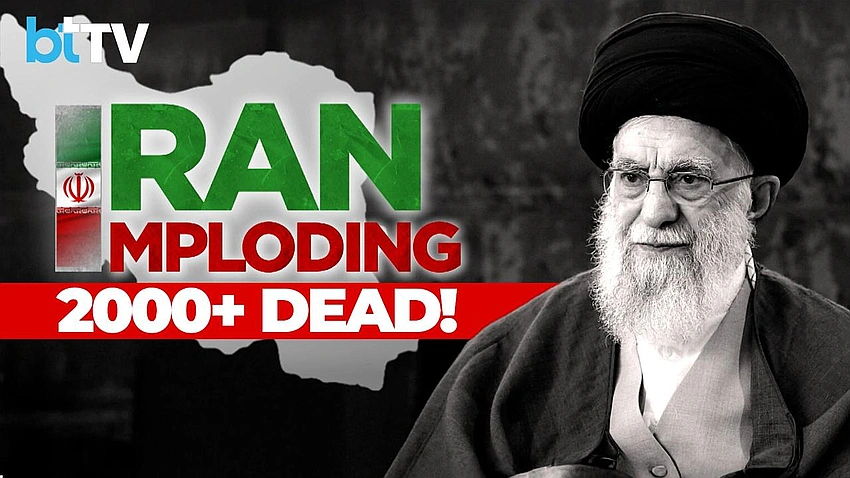
The United States announced sweeping sanctions on Iranian security officials and financial networks, accusing them of orchestrating a violent crackdown on peaceful protests and laundering billions from oil sales. The move, framed as support for the Iranian people’s demand for freedom and justice, widens Washington’s maximum-pressure strategy as protests—the largest in Iran’s modern history—have faced a harsh crackdown and an internet blackout.
Among those hit is Ali Larijani, the secretary of Iran’s Supreme Council for National Security, whom Washington says helped coordinate the crackdown and call for force against demonstrators. In addition, four regional commanders from the Law Enforcement Forces and the Revolutionary Guard were designated for their roles in the crackdown in Lorestan and Fars provinces. The sanctions freeze any U.S. assets and bar Americans from conducting business with them.
The Treasury also targeted 18 individuals and entities linked to opaque “shadow banking” networks that allegedly move Iranian oil proceeds through front companies in the UAE, Singapore and Britain. These networks are accused of laundering billions of dollars every year and skirting economic hardship faced by ordinary Iranians.
Treasury Secretary Scott Bessent announced the action, saying the United States stands behind the Iranian people. The administration said the measures build on its broader pressure campaign against Tehran. The crackdown has drawn international attention as Iran acknowledges a deadly toll, with rights groups warning the numbers could be higher than official tallies and protests have slowed but not ended amid the ongoing government crackdown and enduring internet restrictions.
Analysts say the sanctions aim to choke off funding for the security apparatus and the state-linked oil economy, signaling that Washington will continue to use financial tools to press Tehran on human rights and governance concerns. The next steps remain uncertain as Iran’s leadership weighs responses to domestic unrest and external pressure.
