India's Trans Bill Sparks Outcry as Self-Identification Ends

India's Trans Bill Sparks Outcry as Self-Identification Ends
Activists in New Delhi decry a new transgender bill that ends self-identification and mandates medical verification, risking a return to stigma despite decades of progress.
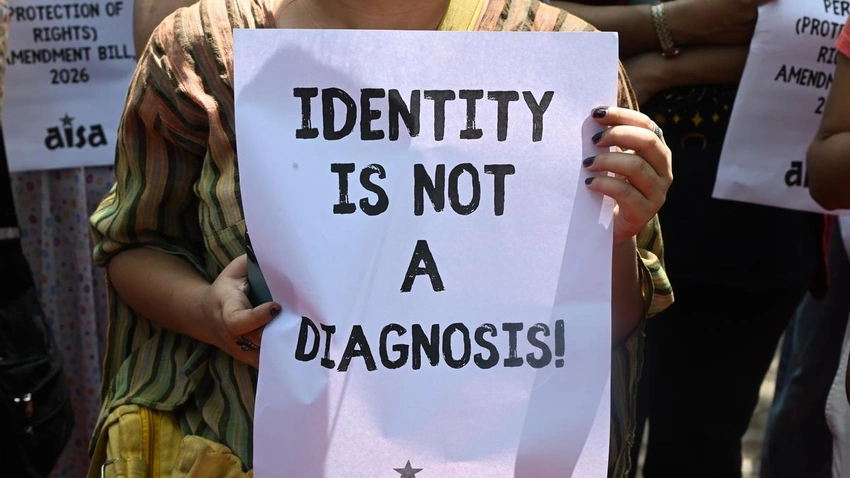
A new transgender rights bill in Parliament is drawing intense criticism from activists who say it rolls back decades of hard-won progress. The Transgender Amendment Bill 2026 would end the right to self-identify one’s gender and replace it with a system that relies on medical verification, a shift many see as a return to the humiliations of the past.
Revathi Reva, a writer and transgender activist, recalls the days when officials insisted on medical proof of gender during passport and other official processes. She describes being asked to strip for doctors who would determine her gender, a memory that underscores why many in the community fear this new bill could reintroduce stigma and fear. While progress has been uneven, the 2014 Supreme Court ruling recognizing a third gender was a landmark, and activists worry that the current legislation undermines that hard-fought recognition.
The bill passed in both houses after a brief debate, with opposition parties boycotting the vote in protest. In New Delhi and other cities, activists say the rapid pace and lack of broad consultation signal a regressive move that prioritizes conformity over rights. Groups like All-India Feminist Alliance (ALIFA) and the National Alliance for Justice, Accountability and Rights (NAJAR) have urged the President not to assent to the bill, arguing it violates the spirit of equality and dignity.
Karnataka’s transgender communities have historically been at the forefront of India’s rights movement, and local activists there question how the amendments will be implemented across states. They warn that even a nominal rollback could erase visibility and protections earned over years of activism.
Policy-makers must consider the real-life consequences: fewer people may come forward for identity documentation, increased discrimination in housing, education, and healthcare, and a chilling effect on advocacy. While the bill’s supporters argue it brings consistency to legal definitions, opponents insist that self-identification is a foundational right that should not be subjected to medical gatekeeping.
As protests continue, many advocates call for safeguards, inclusive reforms, and dialogue with the trans community to ensure rights are protected rather than rolled back. The coming months will reveal whether lawmakers will revisit the measure or push ahead despite resistance, but the message from activists remains clear: rights won’t be rolled back without a fight.
