House Votes to Declassify Epstein Files, Senate Hurdles Ahead

House Votes to Declassify Epstein Files, Senate Hurdles Ahead
The House pushes to release Epstein investigation files after a Trump reversal, setting up a showdown with the Senate and the DOJ.
The US House moved to declassify the Epstein files, approving a bill that would compel the Justice Department to release investigation documents and sending it to the Senate for consideration. The shift comes after a reversal by the president, who had previously opposed broad disclosure but urged Republicans to back the measure. The president has said he and his party have nothing to conceal, and he noted past ties to Epstein when arguing for transparency.
In the House, supporters argued that turning over the records is essential for public accountability, while opponents warned of potential risks to ongoing investigations and national security concerns, even under redaction. DOJ officials have long cautioned that premature or blanket disclosures could hamper investigations, but they faced growing political pressure as lawmakers mounted a push for openness.
Observers say the move signals a renewed willingness among some lawmakers to challenge opaque handling of the Epstein matter and to test the limits of executive-branch secrecy. The Senate now becomes the focal point, with party dynamics and procedural hurdles likely to shape whether the declassification becomes a reality. If the bill clears the Senate, the president would face a choice about signing into law or vetoing, a decision that could further intensify partisan debates.
Looking ahead, advocates for disclosure say even partial releases would provide needed answers about the Epstein case and its oversight, while skeptics warn of unintended consequences. For now, the legislative path remains unsettled as lawmakers await the next phase of what could become a defining transparency confrontation.
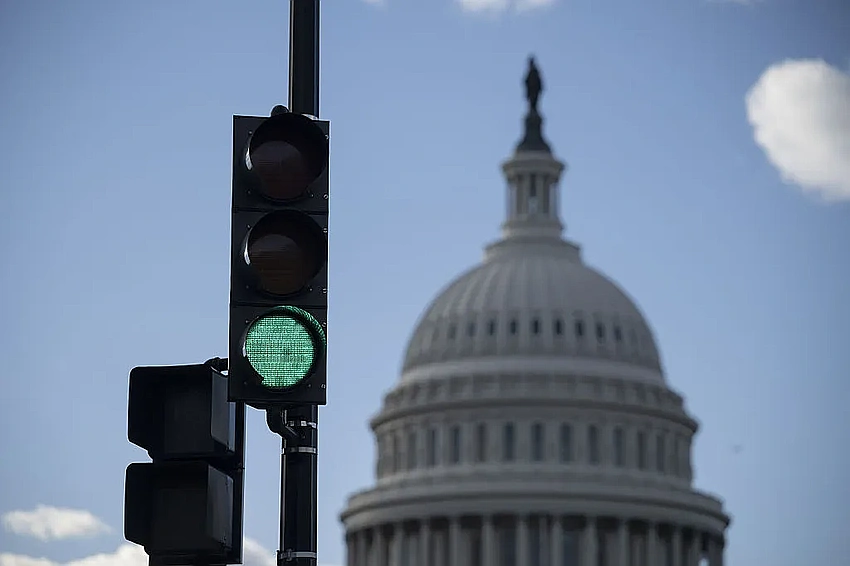
Cover image source: House Set to Back Release of Epstein Files After Trump Shift. What Happens Next? 🔗
