This New Light‑Powered DNA Tech Could Rewrite the Future of Biology

This New Light‑Powered DNA Tech Could Rewrite the Future of Biology
This New Light‑Powered DNA Tech Could Rewrite the Future of Biology
DARPA launches the Generative Optogenetics program to build light‑controlled DNA and RNA synthesis inside living cells. A bold leap that could transform biotech, defense, and global supply chains.
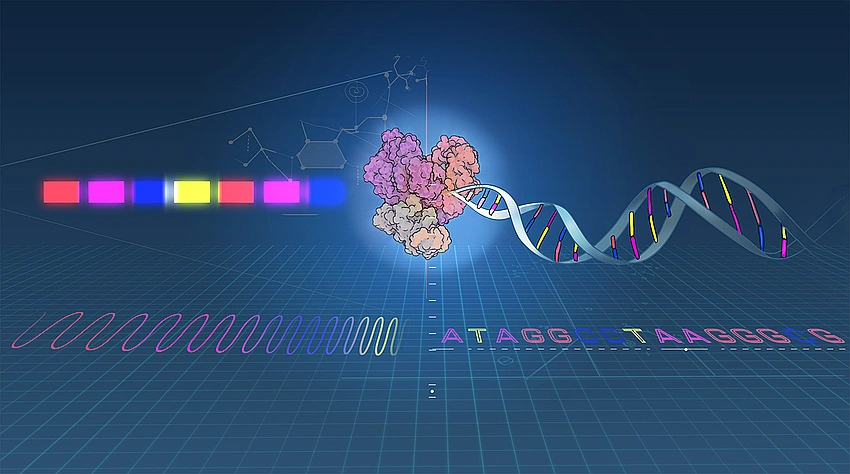
DARPA has unveiled one of its most ambitious biological programs yet. It’s called Generative Optogenetics (GO). The goal is simple to state but radical in execution. DARPA wants to use light to control the creation of DNA and RNA inside living cells.
This is not an incremental upgrade. It is a complete rewrite of how synthetic genetic material could be produced. If successful, GO could break the limits of today’s lab‑based DNA synthesis. It could also reshape industries that depend on fast, scalable, and clean genetic manufacturing.
Why This Matters
Synthetic DNA and RNA power everything from vaccines to advanced materials. They influence agriculture, medicine, supply chains, and national security. But current manufacturing methods are slow. They rely on chemical processes that struggle with scale and complexity. They also generate environmental waste.
DARPA sees this as a strategic bottleneck. GO is designed to remove it.
The agency wants a system that can generate genetic sequences on demand, inside cells, and controlled by light. This would allow real‑time programming of biology. It would also reduce reliance on centralized manufacturing hubs.
How GO Works
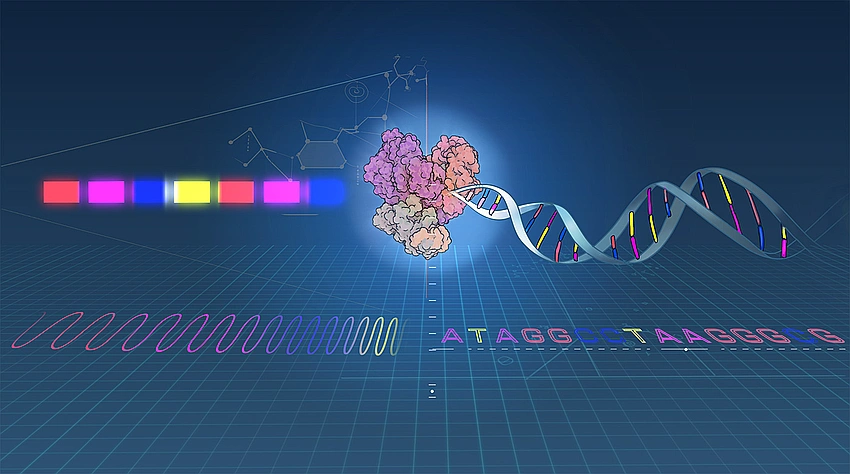
The GO program aims to build a molecular machine. This machine would sit inside a living cell. It would read optical signals. It would convert those signals into DNA or RNA sequences. Light becomes the programming language. Cells become the factories. Genetic material becomes the output.
DARPA describes this as “harnessing the power of light to direct the synthesis of DNA and RNA directly within living cells”.
The program is structured in phases. Early work focuses on refining molecular components. Later phases integrate these components into a functioning system. The final goal is a full demonstration of optically controlled genetic synthesis.
The Stakes Are Enormous
If GO works, it could change how nations prepare for biological threats. It could accelerate vaccine development. It could enable rapid prototyping of new materials. It could even support long‑duration space missions by producing biological tools on demand.
The defense implications are obvious. So are the commercial ones. Biotech companies could build new product lines around light‑driven genetic engineering. Agriculture could benefit from faster crop‑trait development. Supply chains could become more resilient.
GO is high‑risk. DARPA openly acknowledges this. But the potential reward is transformative.
The Bigger Picture
DARPA has a long history of backing technologies that seem impossible at first. The internet. GPS. mRNA vaccine platforms. GO fits that pattern. It pushes biology toward a future where genetic material is not just manufactured. It is generated, programmed, and controlled with precision. And it happens inside the living systems that will use it.
This is synthetic biology entering a new phase. A phase where light becomes a tool for writing life.
Sources
#DARPA #GenerativeOptogenetics #BiotechInnovation #DNAmanufacturing #LightScience
