US Intel Warns: Putin Could Test NATO with Limited Attack!

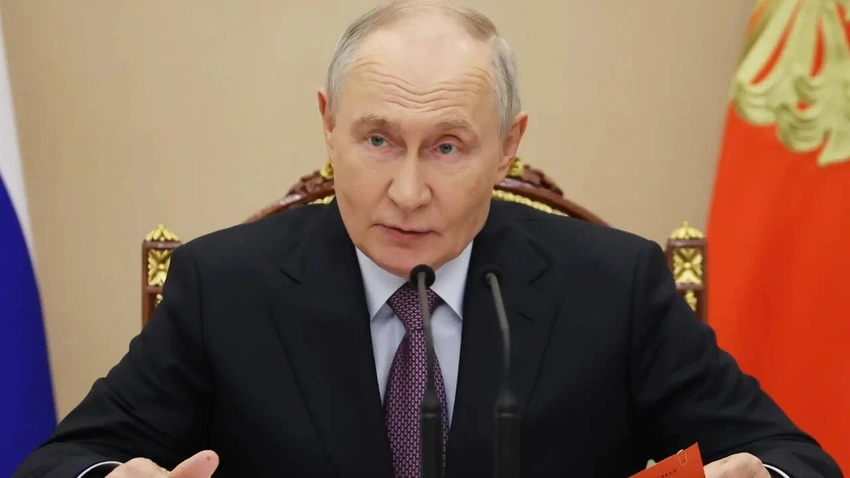
US Intel Warns: Putin Could Test NATO with Limited Attack!
Breaking! US intelligence assesses Putin might launch a limited strike on a NATO member to test alliance unity. Baltic states or Poland at risk. Stay informed on escalating tensions!
The United States intelligence community has issued a stark warning: Russian President Vladimir Putin may launch a limited attack against a NATO member in the coming years. These assessments suggest that Moscow could aim to test the alliance's collective resolve and unity, exploring various forms of escalation from cyberattacks to small-scale military incursions.
The primary objective, according to sources familiar with the intelligence, would not be to ignite a full-blown war, but rather to probe the extent to which NATO members would commit to defending one another. While NATO's Article 5 dictates that an attack on one member is an attack on all, US intelligence believes Putin might try to operate below the threshold that would automatically trigger a major military response from the alliance, potentially highlighting internal divisions.
Among the most likely targets for such a provocative act are the Baltic states or Poland, as indicated by one source. The precise timing and nature of any potential move remain uncertain, with the window for escalation spanning from the present into the next several years.
Officials from both the US and NATO speculate that Russia's willingness to challenge the alliance could increase if Putin fails to secure a "face-saving" resolution to the ongoing conflict in Ukraine. This warning arrives amidst growing unease across Europe regarding Russia's post-Ukraine military rebuilding efforts.
Last month, the Dutch defense ministry cautioned that Moscow is preparing for a prolonged confrontation with Europe and could possess the capability for a limited war against a NATO member within a year of the Ukraine conflict concluding.
The overarching concern is Russia's military resurgence and its potential to destabilize regional security.
