Pentagon Report: Iran War Hits $33.4B, US Weapons Stockpiles Drained!

Pentagon Report: Iran War Hits $33.4B, US Weapons Stockpiles Drained!
A new Pentagon report reveals Operation Epic Fury against Iran has cost $33.4 billion, leading to critical US weapon shortages and production bottlenecks. Discover the impact and efforts to replenish vital defenses.
A recent Lead Inspector General report has unveiled the significant financial and logistical toll of "Operation Epic Fury" against Iran. As of late June, the US military had already spent an estimated $33.4 billion on the conflict, leading to major shortfalls in US weapons stocks and exposing bottlenecks within the defense industrial base.
The report details that this hefty sum includes $7.4 billion in cumulative incremental obligations, a staggering $22.3 billion for expended munitions, and $3.7 billion in equipment losses. It's worth noting that this figure doesn't even account for the costs associated with repairing infrastructure damaged during the conflict.
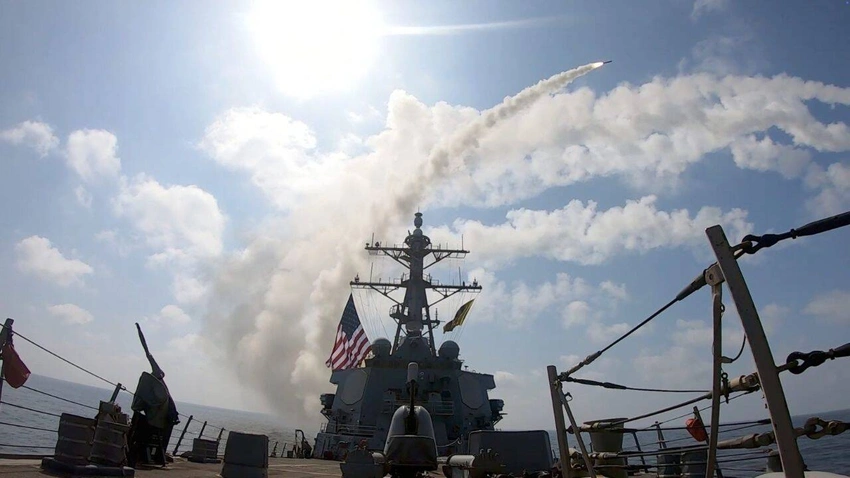
The extensive use of munitions has created what the Pentagon terms "strategic inventory shortfalls." This raises serious questions about how quickly the US can restock the weapons depleted during the intense campaign.
Key bottlenecks identified include solid rocket motors, high-grade explosives and propellants, and a shortage of skilled manufacturing labor.
In response, the Pentagon is actively working to accelerate procurement and production, stockpile crucial materials, and expand overall production capacity. Efforts include speeding up existing production lines, enlarging defense industrial facilities, and collaborating with allies to help offset US inventory drawdowns.
However, officials have cautioned that expanding production capacity will require "significant lead time." The scale of Operation Epic Fury has also placed immense demands on US forces. More than 50,000 US service members were deployed across the US Central Command area of responsibility, supported by extensive air, maritime, and logistical operations.
The report also highlighted the consistent threat faced, with Iran and its proxies launching thousands of missiles and one-way attack drones against US forces, regional partners, commercial shipping, and military bases.
Despite these attacks, the US air-defense efforts proved robust.
The Middle East defense network successfully intercepted over 6,000 one-way attack drones and more than 1,500 ballistic missiles targeting US and partner forces, totaling over 7,500 incoming threats neutralized across the region.

Login to comment.
No thots yet. Be the first to share your thoughts!