China Imposes Sanctions on 20 U.S. Defense Firms Over Taiwan Arms Sale

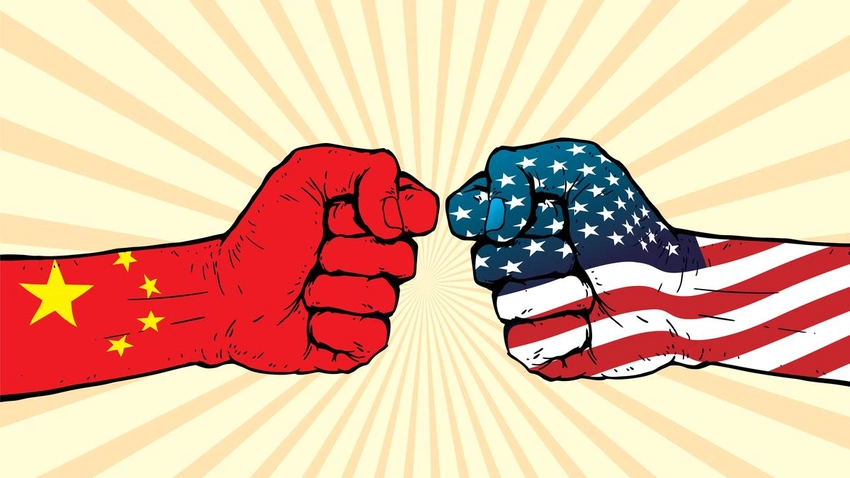
China Imposes Sanctions on 20 U.S. Defense Firms Over Taiwan Arms Sale
Beijing targets 20 U.S. defense firms and 10 executives in response to a record arms package to Taiwan, signaling a firm stance on the Taiwan issue.
Beijing on Friday announced sanctions against 20 U.S. defense-related firms and 10 senior executives in response to the Trump administration’s approval of a record arms sales package to Taiwan, reportedly valued at around $11 billion. The Foreign Ministry said the measures would freeze assets in China and bar Chinese entities from doing business with the listed companies and individuals. It warned that any provocation on the Taiwan question would be met with a firm response.
Among the targeted firms are some of the world’s largest defense contractors, including those involved in producing aircraft, missiles, and related systems. In addition, senior leaders at several companies — including a founder associated with one prominent defense firm — were named, with travel bans and asset freezes imposed as part of Beijing’s approach to counter the arms deal. The move comes even as many of the firms have little to no direct operations in China, making the sanctions largely symbolic from an economic standpoint.
The sanctions were issued as the United States prepared to push forward with a package initially described as the largest arms sale to Taiwan in decades, raising tensions across the Taiwan Strait. Beijing reiterated that the Taiwan issue is a core national interest and a red line in China–U.S. relations, urging Washington to abide by the one-China principle and halt what it called dangerous moves to arm Taiwan. The United States has argued that it must provide Taipei with the means to defend itself, a policy backed by bipartisan support in Congress.
Observers note that while the sanctions send a strong political signal, their direct impact on U.S.–China trade or on Taiwan’s defense capabilities may be limited, given the geographic and operational realities of the firms involved. Still, Beijing’s action underscores the delicate balance of U.S.–China relations as Washington continues to enhance security assistance to Taiwan amid rising cross-strait pressure.
