Epstein Files: Maxwell’s Hollywood ties, Trump links revealed

Epstein Files: Maxwell’s Hollywood ties, Trump links revealed
New Epstein records spotlight Ghislaine Maxwell's role in recruitment, her Hollywood network, and ties to powerful figures.
The latest batch of unsealed documents in the Jeffrey Epstein case reframe Ghislaine Maxwell as a central figure in the trafficking operation, reinforcing her role in recruiting, grooming and managing young girls for Epstein. The records detail Maxwell acting as Epstein’s fixer, gatekeeper and enabler—organising meetings, coordinating travel, and maintaining his vast network of influential contacts. Prosecutors argue that Maxwell was not merely an associate but a key architect of the trafficking operation, and these disclosures strengthen that claim.
Maxwell’s background as a British socialite and the daughter of late media tycoon Robert Maxwell placed her at the heart of New York and Palm Beach high society during the 1990s and 2000s. Her life of privilege and elite connections positioned her at the center of powerful social networks spanning business, politics, royalty and entertainment. Notably, Maxwell was found guilty in 2021 in a US court of helping recruit, groom and traffic underage girls for Epstein, resulting in a 20-year prison sentence. The new files underscore the closer ties she had to Hollywood circles and other influential figures who moved in Epstein’s orbit.
The Hollywood connection is a recurring thread in the documents, illustrating how Maxwell’s social circle intersected with entertainment and politics. The materials suggest that her reach extended beyond private gatherings to broader networks that included prominent figures in the industry and political spheres, including associations with Donald Trump. These disclosures paint Maxwell as more than a peripheral player, but a conduit linking power, media, and criminal activity within Epstein’s web.
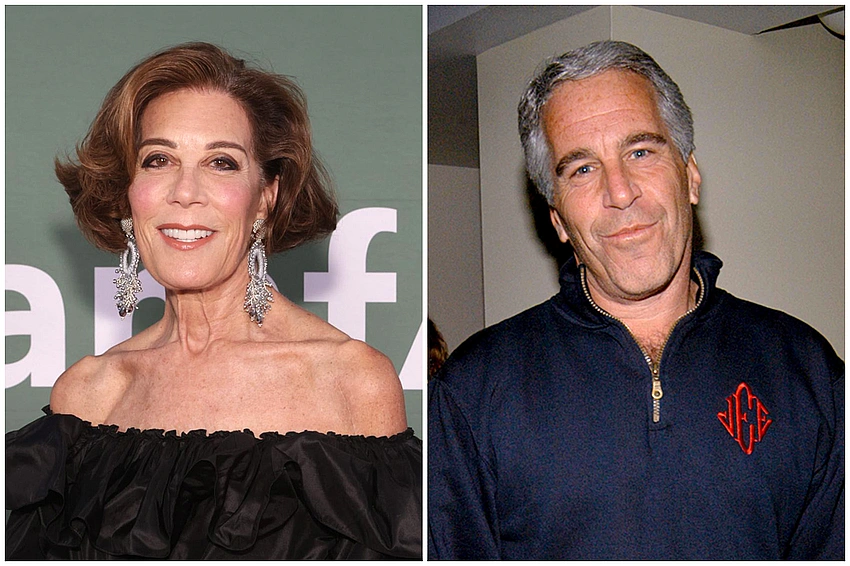
In addition to Maxwell’s narrative, the records touch on other strands of Epstein’s social web. For instance, Peggy Siegal—a New York cultural impresario known for hosting high-profile gatherings—welcomed Epstein back from prison in 2009, signaling how the social circuitry could help him rebuild influence after his release. Such details illustrate the far-reaching nature of Epstein’s connections and the challenges in disentangling accountability within these elite networks.
As the Epstein case continues to unfold, the revelations reinforce how privilege and networks can intersect with crime, urging ongoing scrutiny and legal examination of the powerful circles involved.
