Bhojshala Verdict Sparks Debate as ASI Sets Access Rules

Bhojshala Verdict Sparks Debate as ASI Sets Access Rules
High Court verdict on Bhojshala prompts ASI access rules, Hindu puja amid security, and plans to challenge in Supreme Court, signaling a high-stakes clash over heritage and worship.
The Bhojshala dispute in Dhar has moved into a new phase following a High Court verdict that continues to keep the site at the intersection of heritage protection and religious access. The Archaeological Survey of India has reiterated that Bhojshala is a protected monument and not a worship place under current law, a stance that has guided security and access decisions in the immediate aftermath. In political circles, former chief minister Digvijay Singh criticized the HC order, calling it vague and arguing that the core question of the site's status remains unresolved.
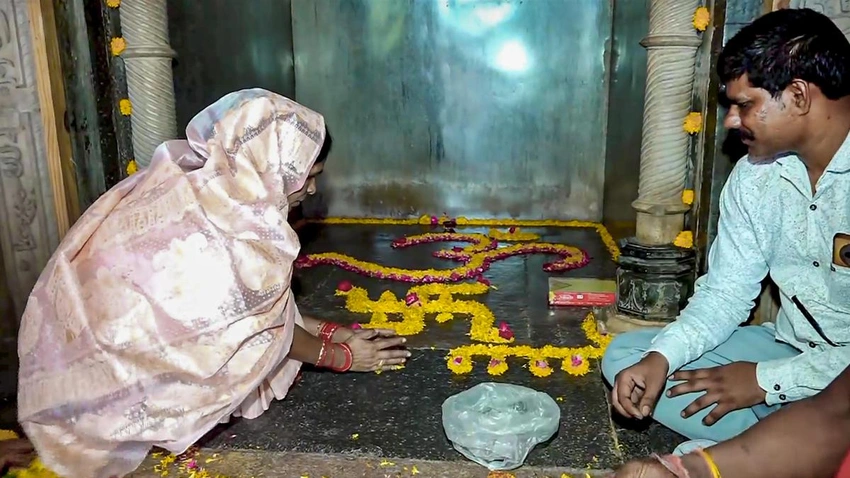
In Dhar, Hindu groups conducted puja at Bhojshala amid heightened security, while Muslim representatives contended that the verdict appears one-sided and underscored the need for equitable access and sensitivity to all communities. Local observers describe a tense atmosphere as authorities balance heritage protections with religious practices, underscoring that the case has become a focal point of broader communal discourse.
The All India Muslim Personal Law Board (AIMPLB) has signaled that it will challenge the HC verdict in the Supreme Court, indicating that the legal battle is far from over. While awaiting a clear path forward, the AIMPLB emphasizes safeguarding rights while respecting the heritage framework, urging careful implementation of any orders across future disputes.
The ASI-directed implementation of the court order marks a turning point in this long-running dispute. The agency is coordinating access rules and security measures to ensure the monument’s protections while allowing Hindus to observe religious activities within the bounds of the court's directive. As the situation unfolds, Dhar remains under the lens of history and public faith, with legal processes likely to shape the next steps in the months ahead.
