Rafah Crossing Reopens with Limited Gaza-Egypt Travel

Rafah Crossing Reopens with Limited Gaza-Egypt Travel
Rafah border reopens for limited Gaza-Egypt travel, with strict quotas and EU monitoring as thousands await treatment and aid.
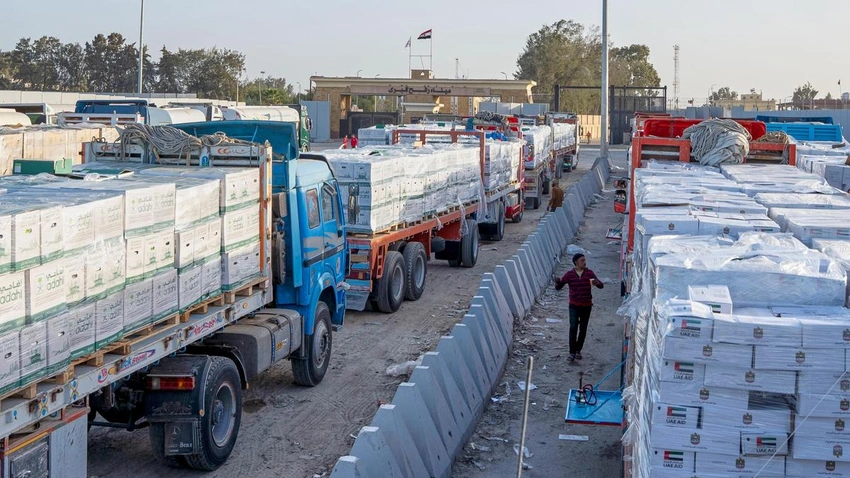
Rafah border crossing between Gaza and Egypt has reopened to allow movement of people, signaling a cautious step amid ongoing conflict. The crossing, largely shut since May 2024 when the Gazan side was captured during fighting, is now operating under tight rules and with supervision from the European Union and local Palestinian staff. Israel will conduct security checks remotely as a new phase of access begins. Officials say only a small quota will be permitted at first, aiming to control flows while addressing urgent humanitarian needs.
Around 20,000 sick and wounded Palestinians are waiting for exit or transfer for treatment, according to hospitals and the World Health Organization. In the initial phase, Israeli reports indicate about 50 patients—each accompanied by one or two relatives—will be allowed to leave Gaza daily, with a similar number of people who left Gaza during the conflict permitted to return.
A lingering point of contention concerned whether carers should be allowed to accompany patients back to Gaza, a disagreement that has delayed the process.
Supervisors from the EU Border Assistance Mission will oversee the crossing, working with local Palestinian staff, while Israel carries out remote security checks. An Israeli security official said the crossing had opened to the movement of residents, for both entry and exit, after EU teams arrived.
Local media reported that the first group of Palestinians began returning to Gaza from Egypt as Al Qahera News TV broadcast the scene. This staged reopening is seen as a lifeline by many who view Rafah as Gaza’s gateway to the world, but critics note that the limits mean many still cannot travel or access aid goods immediately.
