How Frida Kahlo Became Everything She Hated

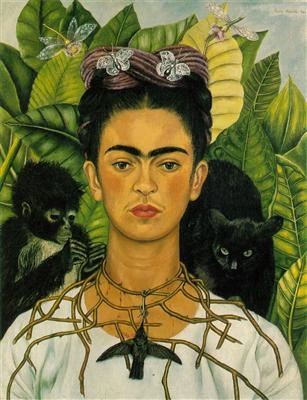
How Frida Kahlo Became Everything She Hated
How Frida Kahlo Became Everything She Hated
Frida Kahlo’s face graces mugs and tote bags as she remains a powerful symbol, even as her heirs profit from the capitalist culture she critiqued. This piece explores that ironic shift and what it says about art and comm
There are very few artists whose face is more recognisable than their paintings. Frida Kahlo is one of them.
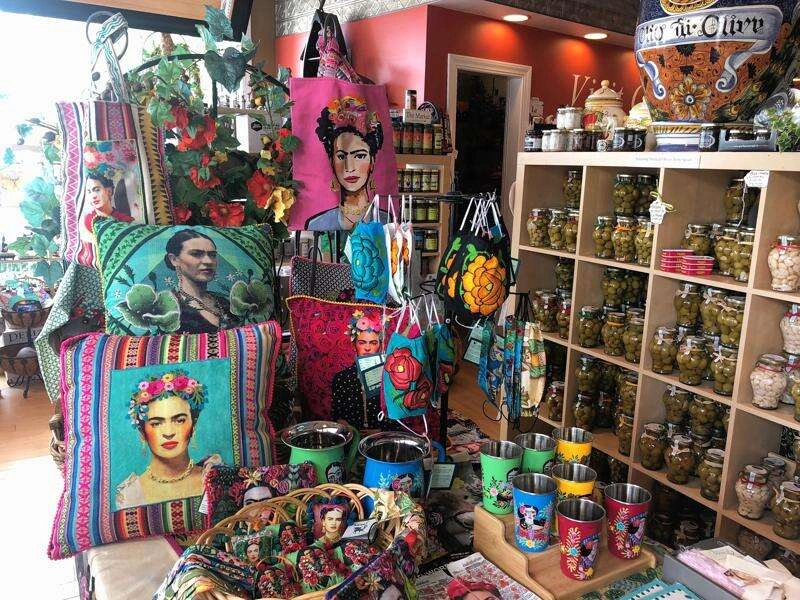
Walk into almost any museum gift shop or fashion retailer and you will find her staring back from tote bags, mugs, notebooks, earrings and phone cases. Her thick eyebrows have become a logo. Her flowers have become a design motif. Somewhere between revolutionary artist and internet aesthetic, Frida Kahlo became a brand.
The irony is difficult to ignore. Here was a committed communist who criticised capitalism, colonialism and American consumer culture, yet decades after her death she has become one of capitalism's most profitable cultural exports. The contradiction says as much about contemporary consumer culture as it does about Kahlo herself.
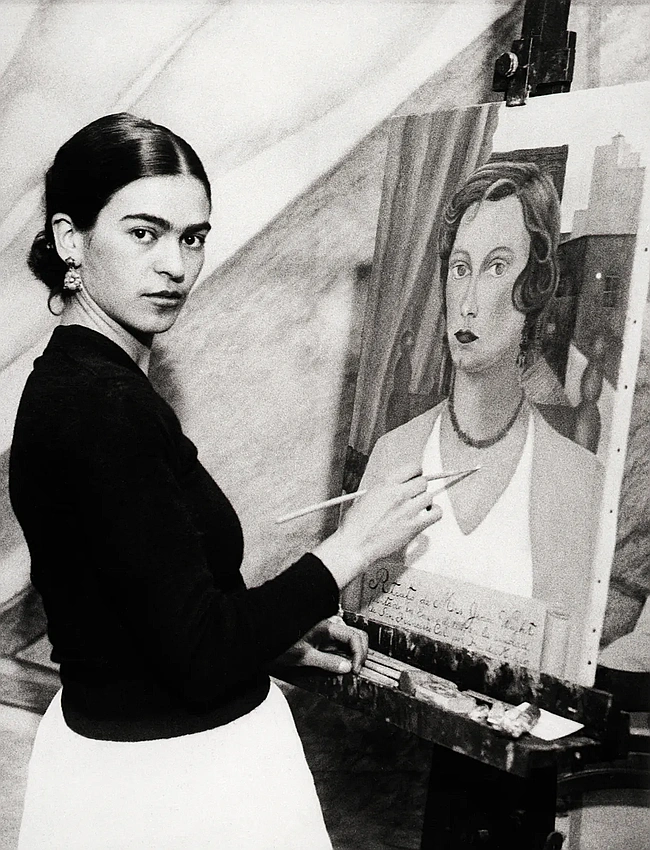
The making of an icon
During her lifetime, Kahlo was respected in artistic circles but never enjoyed the level of international celebrity she possesses today. Much of the attention surrounding her came after her death in 1954.
Several developments transformed her legacy. Hayden Herrera's influential biography in 1983 introduced her to new audiences. Feminist art historians reclaimed her work as an important intervention into the male dominated history of modern art. The 2002 film Frida, starring Salma Hayek, further elevated her into mainstream popular culture. Museums across Europe and North America staged blockbuster retrospectives, while social media accelerated the circulation of her image beyond the walls of galleries. Eventually, her story became almost inseparable from her paintings.
What emerged was not simply admiration for an artist but what critics have described as "Fridamania". The artist became a universal symbol that could mean almost anything to anyone.
From revolutionary to retail
The strange thing about Frida Kahlo merchandise is not merely its existence but its scale.
Her image has appeared on cosmetics, tequila, dolls, coffee machines, stationery, clothing and even sanitary products. Licensing agreements and trademark disputes have turned her name into valuable intellectual property. The establishment of the Frida Kahlo Corporation in the early twenty first century formalised this commercial afterlife, treating her identity as a globally marketable brand.
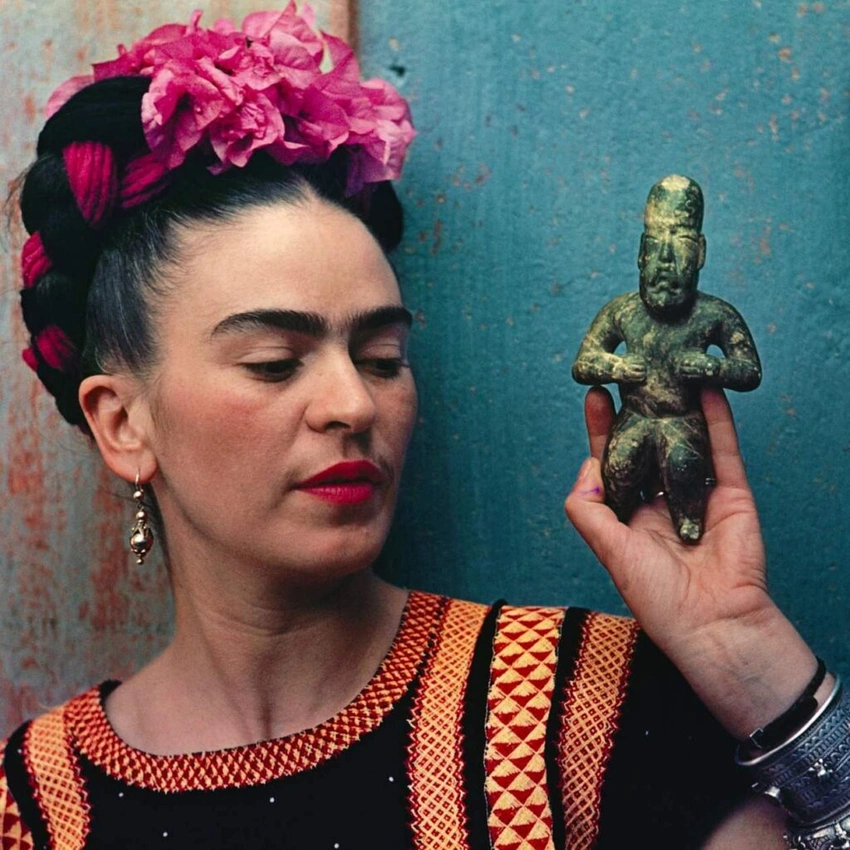
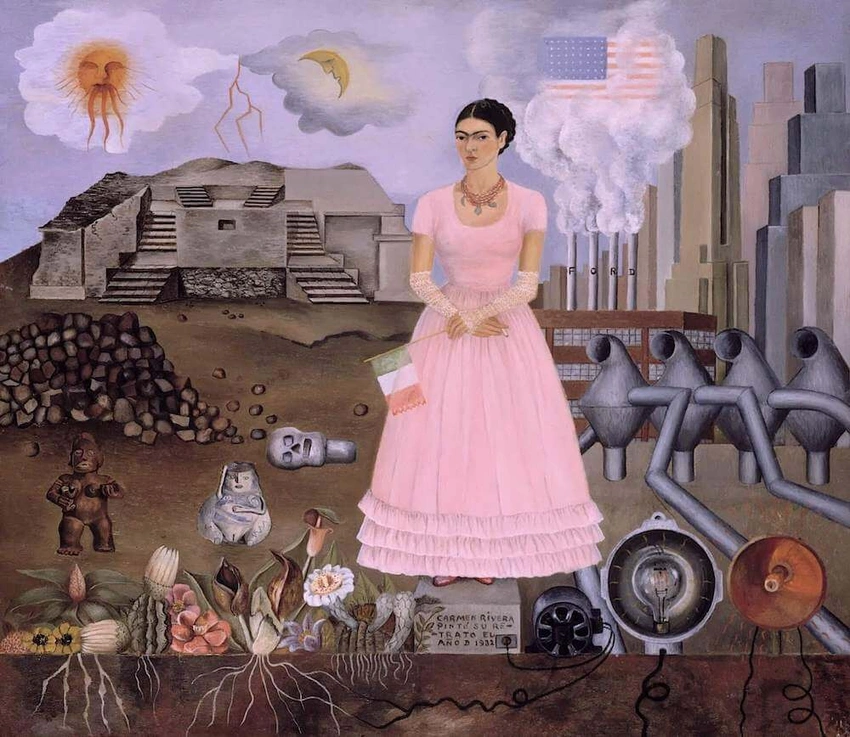
This commercialisation creates an uncomfortable contradiction. Kahlo openly aligned herself with communist politics, admired Marxist ideals and remained deeply critical of capitalist exploitation throughout her life. To transform such a figure into a consumer product risks stripping away the political convictions that informed both her life and her art. Buying a Frida notebook becomes easier than confronting the politics that shaped her worldview.
The aesthetic without the politics
Popular culture has flattened Kahlo into a symbol of resilience.
She is frequently presented as an inspirational woman who overcame disability, heartbreak and physical pain. While this narrative is not entirely false, it often isolates her suffering from its political context.
Her paintings were never merely confessional diaries. They explored colonial identity, Mexican nationalism, bodily autonomy, Indigenous culture, gender and political commitment. Yet these complexities are often reduced to a marketable language of empowerment.
Recent exhibitions have attempted to address precisely this issue. Rather than celebrating Kahlo as a flawless feminist icon, curators increasingly present her as contradictory, politically engaged, difficult and deeply human. They acknowledge that the commercial image of Frida frequently erases the radical individual who actually existed.
The paradox of visibility
It would be simplistic to argue that Kahlo's popularity has only damaged her legacy.
Millions of people first encounter her through commercial products before discovering her paintings. Feminist, queer and disability communities have also found genuine meaning in her work, embracing her as a figure whose representations of pain and identity continue to resonate.
Commercial visibility can therefore function as an entry point rather than an endpoint.
The problem arises when the image becomes detached from the artist. When the flower crown matters more than The Broken Column. When the eyebrows become more famous than her politics. When aesthetic consumption replaces historical understanding.
The philosopher Walter Benjamin famously argued that mechanical reproduction transforms the experience of art. Kahlo's afterlife seems to demonstrate a later stage of this process, where reproduction no longer simply copies the artwork but replaces it altogether with an endlessly reproducible persona.
What remains of Frida?
Perhaps it is impossible to prevent historical figures from becoming commodities. Capitalism has an extraordinary ability to absorb even its strongest critics. The image of Che Guevara on T shirts offers an obvious parallel.
Yet Kahlo's work continues to resist complete domestication.
Her paintings remain unsettling. They confront illness without sentimentality, desire without neat resolution and identity without simplification. Looking carefully at them reminds us that the woman behind the merchandise was far stranger, angrier and politically sharper than the comforting icon sold in gift shops.
Perhaps Frida Kahlo did not become everything she hated.
Rather, we turned her into it.
#FridaKahlo #ArtBranding #ConsumerCulture #IconicBrand #CultureAndCommerce

Login to comment.
No thots yet. Be the first to share your thoughts!