Reeves urged to follow Europe’s lead on protecting drivers from spiralling fuel prices

Reeves urged to follow Europe’s lead on protecting drivers from spiralling fuel prices
Campaigners urge the chancellor to shield UK drivers as diesel prices hit fresh highs, with Europe moving to cap margins and ease the cost of living.
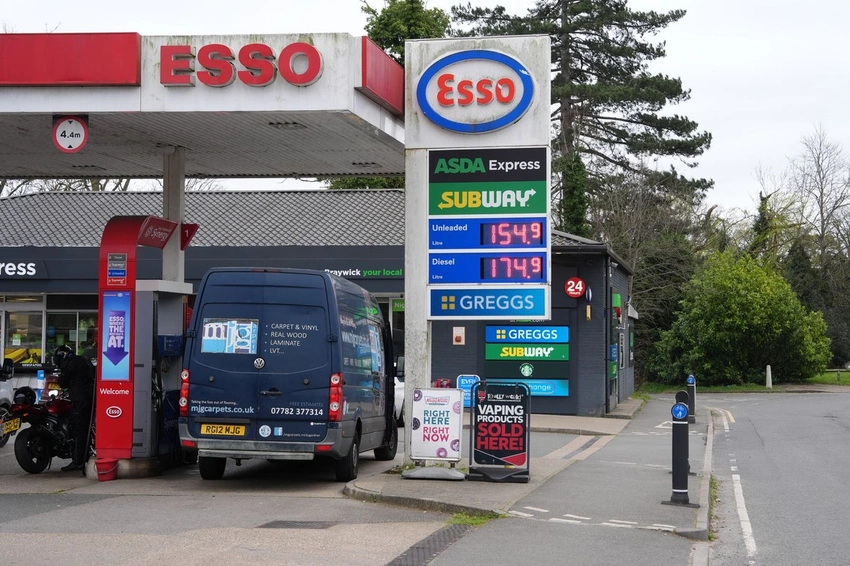
Chancellor Rachel Reeves faces mounting pressure to shield British motorists from spiralling fuel costs, with campaigners accusing ministers of treating drivers as a source of revenue while wholesale prices surge. Diesel has climbed to its highest level since December 2022, a development that threatens to push up everyday living costs for commuters and small businesses alike. The latest price pressures come as oil markets react to geopolitical tensions and disruptions, underscoring the fragile links between global supply and UK pump prices.
In recent months Reeves signalled that a fuel duty cut, first introduced by the previous government in 2022, would remain in place through August 2026 before tapering back to pre-pandemic levels. Critics argue that maintaining a reduced duty is insufficient if wholesale costs continue to rise, calling for more direct relief measures rather than a longer path to normalisation. They point to European neighbours that have moved to shield citizens from rising pump prices as evidence that action is possible without sacrificing fiscal balance.
Across Europe, governments have begun implementing price protections: Greece has imposed a three-month cap on fuel margins; Hungary has fixed petrol and diesel prices; and Germany is considering a windfall tax on oil companies while limiting price increases at stations to once per day at noon. Industry observers say such steps can ease the burden on households while the energy market remains volatile.
Supporters of Reeves stress the need to balance relief with responsibility, arguing that targeted support for low-income households and critical sectors should be a priority as the economy adapts to ongoing price shocks. Yet the domestic debate intensifies as pump prices stay high and shoppers feel the squeeze at the till. If Parliament does not move quickly, analysts warn that higher transport costs could ripple through the economy, affecting groceries, deliveries, and services.
For Londoners and motorists elsewhere, the question remains: will the government echo Europe’s approach or hold to a slower, more cautious strategy that risks prolonging the pain at the pump? The coming weeks are set to reveal whether policy shifts are on the horizon or if drivers must endure a protracted phase of higher diesel costs.
